What To Check Before Choosing A City Break Packing List That Leaves Room For Plans
A practical step-by-step guide to what to check before choosing a city-break packing list that leaves room for plans, including preparation, instructions, common issues, tips, and next steps.
What To Check Before Choosing A City Break Packing List That Leaves Room For Plans
Choosing the right items for a city-break packing list requires a balance between preparedness and flexibility. This guide helps you evaluate your destination, weather, activities, and personal habits before packing, ensuring you leave room for spontaneous plans. By following these steps, you can pack efficiently without overpacking, making your trip more enjoyable and stress-free.
Fast Answer
- Check the forecast and your planned activities to determine the core items you'll definitely need, then leave space for flexible pieces.
- Consider your accommodation's amenities and your own habits to avoid packing unnecessary items, keeping your bag light for unexpected adventures.
Before You Start
- Research the typical weather patterns and local culture of your destination, but also check the specific forecast for your travel dates.
- List your planned activities and any reservations, as these will define the non-negotiable items on your packing list.
- Assess your accommodation's facilities, such as laundry options or toiletries provided, to avoid packing items you can source locally.
- Review your own daily habits and comfort needs, such as how often you change outfits or if you prefer extra layers, to personalize your list.
Step-by-Step Instructions
Assess Destination and Forecast
Start by researching your specific city break destination. Check the long-range weather forecast for your travel dates, but also consider the typical climate and any local quirks. For instance, a coastal city might have evening breezes, while a bustling metropolis could have hot, humid days and cooler nights. Look up the average temperatures and rainfall, but don't stop there – search for recent traveler reports or local forums to gauge real conditions. Additionally, consider cultural norms: some cities expect modest dress for religious sites, and others have a more casual vibe. This research informs your core clothing choices: you'll know if you need layers, a waterproof shell, or breathable fabrics. For example, if the forecast shows sunny days but cool nights, you'll pack a light jacket. By anchoring your list in this research, you avoid packing blindly and can leave out heavy or bulky items that aren't needed. Always leave room for unexpected weather shifts by including a versatile layer that can be added or removed, but don't let a week-long forecast dictate a month-long wardrobe. Remember to check the forecast again a few days prior to departure, as it may change, and adapt your list accordingly. This step ensures you're prepared for what you'll actually encounter, not for every possible scenario.
List Planned Activities First
Write down every activity you have already planned for your city break, such as museum visits, restaurant bookings, walking tours, or evening performances. These are your non-negotiables, and for each, note the dress code or specific gear needed. For example, a fancy dinner might require a smart outfit, while a hiking day trip demands sturdy shoes and a daypack. Also consider the practicalities: if you're visiting several churches, you might need a scarf to cover shoulders; if you're going for a run, bring appropriate shoes. By listing these first, you create a core list of must-have items that you cannot do without. Then, for each activity, think about what you'd naturally wear and use. This prevents you from packing generically. For instance, instead of packing 'three pairs of pants,' you might pack one pair for dinner, one for casual exploration, and one for active pursuits. Also, factor in the duration of each activity: a full-day tour means you'll be out all day, requiring layers and snacks. After you've identified these key items, you can assess what's left and whether you truly need it. This oriented approach ensures you never forget a crucial item and avoids the mistake of overpacking items that don't align with your actual schedule. Remember, your planned activities are the backbone of your packing list, so prioritize them.
Choose a Versatile Capsule Wardrobe
Rather than picking separate outfits for each day, select a capsule wardrobe of mix-and-match pieces. Choose a color palette (like neutrals) so that every top goes with every bottom, multiplying outfit options. For example, three tops and two pairs of pants can create six outfits. Include one or two statement pieces for dressier evenings, but keep them lightweight. Prioritize fabrics that are comfortable, wrinkle-resistant, and quick-drying, such as merino wool or synthetic blends. Also, consider layering: a base layer, a mid-layer, and an outer shell give you flexibility in changing temperatures. When selecting your capsule, think about the activities you planned: include at least one comfortable outfit for walking, one for dinner, and one for lounging. Also, roll your clothes to save space and minimize wrinkles. You might even plan to wear your bulkiest items, like and jacket or boots, on the travel day to save luggage space. The goal is to have a compact set of items that you genuinely need and will wear, not a pile of options you might choose. By limiting yourself to a palette and mix-and-match approach, you ensure every piece is used, leaving room in your bag for any unexpected finds or last-minute additions. This system also simplifies your morning decisions, letting you spend more time enjoying the city.
Plan for Personal Care and Toiletries
Assess your personal care needs and decide what you really need to carry versus what you can buy or use at your accommodation. Most hotels and rentals provide basic toiletries like shampoo, conditioner, and soap, so you can often skip those. However, if you have specific preferences or sensitive skin, you might want to bring your own. Also, check the size restrictions for carry-on liquids if you're flying, and plan accordingly by packing travel-sized containers. Consider your daily routine: if you use medication, a night guard, or specific skincare, those are essential. For a city break, you don't need a huge toiletry bag – the goal is to be efficient. Pack a small pouch with toothbrush, toothpaste, deodorant, and any daily essentials. You can also leave room for items you might pick up locally, such as sunscreen or hair products, if you forget them. Also, think about electronics: chargers, adapters, and power banks are vital, but you can often charge your phone at cafes or use universal adapters. But don't overload with gadgets you won't use. A good rule is to lay out everything you think you need for your routine and then halve it. For a short trip, you don't need full-size bottles; a few travel tubes are enough. This step ensures you stay comfortable without overburdening your bag.
Consider the 'What Ifs' and Space for Extras
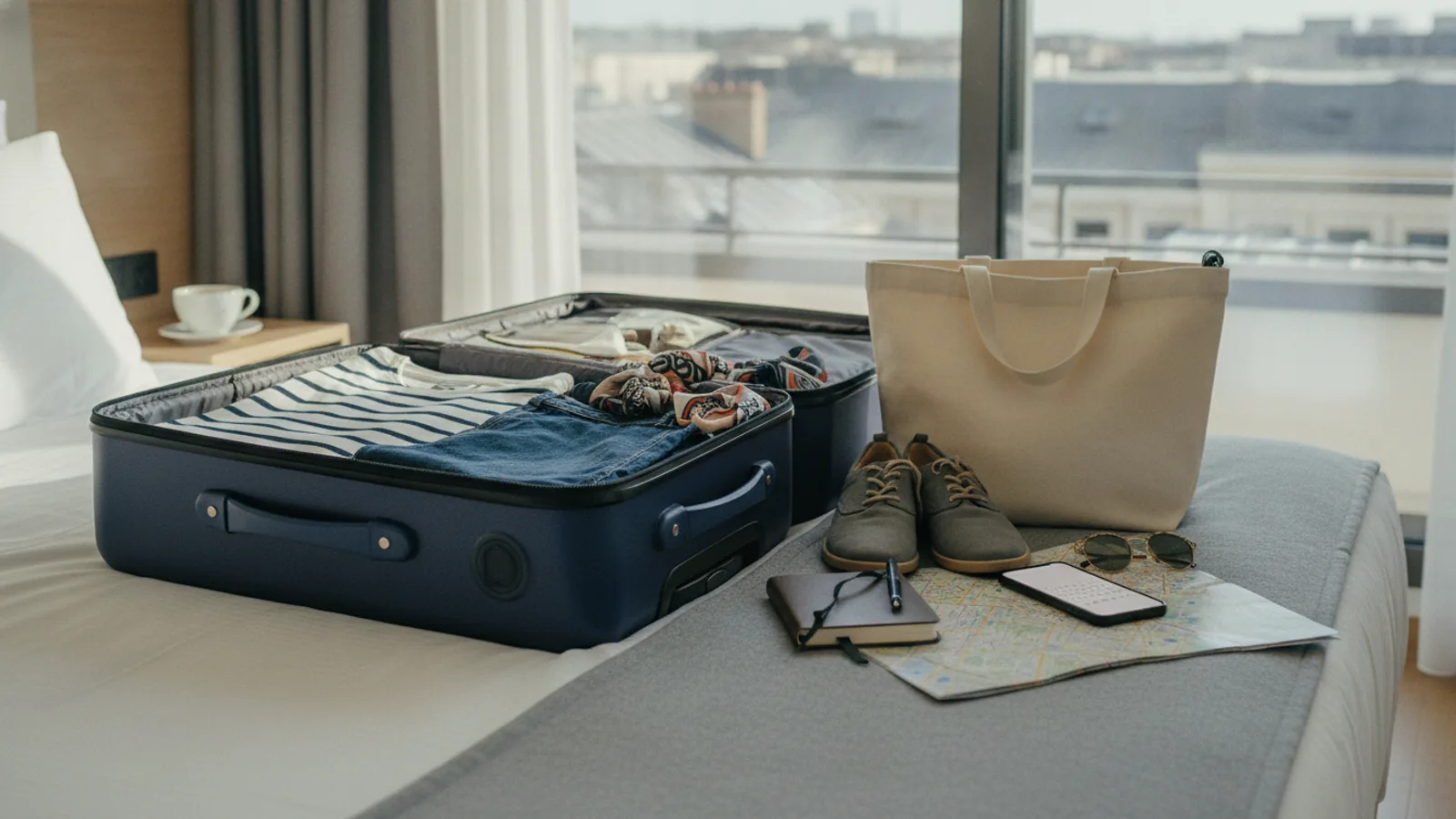
Before you finalize your packing list, think about potential scenarios that might require extra items. For example, what if it rains? You'll need a compact umbrella or a packable rain jacket. What if you get a chance to go for a swim? Maybe pack a swimsuit, even if you haven't planned it. What if you go on a romantic date? You might want a nicer outfit. Allocate a small 'flex' space in your luggage – maybe a quarter of your bag – for these possibilities. But be wise: don't fill that space with heavy items. Instead, include simple, lightweight solutions. For instance, a foldable tote bag can serve as a beach bag, market bag, or extra carry-on. That one item covers many 'what ifs.' Also, think about shopping: will you want to bring back souvenirs? If so, leave room in your suitcase or plan to use a foldable duffel inside. You can also wear a layer or two more on the flight home if you run out of room. By intentionally setting aside space, you ensure you're not overpacking and that you have flexibility for spontaneous plans. However, the key is to measure that space – don't just think 'it'll fit.' Visualize what could go in that space and make sure it's reasonable. This step transforms your packing from a rigid list into a dynamic plan.
Final Review and Adjustment
After you've packed your bag, do a final review. Take everything out and place it on your bed. Ask yourself: Have I checked the forecast again? Is every item really necessary? Can I eliminate any duplicates? Could I wear my heaviest items instead of packing them? Also, review your planned activities: do you have the right shoes for each? Is your outfit for that fancy restaurant appropriate? Now, look for gaps: Is there anything you planned to do but forgot to pack for? For instance, if you plan to visit a fitness center, did you pack your gym shoes? Once you've reviewed, remove at least one item that you're unsure about – this is the 'uncertainty principle' of packing. Then, rearrange your items to maximize space, using the inside of shoes for socks or smaller items. Check the weight: can you comfortably carry your bag for 20 minutes? If not, consider removing more. Also, make sure your bag adheres to any airline size restrictions if you're flying. This review process is crucial because it's your last chance to adjust before you leave. By taking 10 minutes to go through this checklist, you ensure your packing is efficient and that you have room for anything you might pick up along the way. Remember, the goal is to be prepared for your plans, not for every possible contingency you can imagine.
Quick Reference
| Situation | Action | Why it helps |
|---|---|---|
| You're heading to a city with unpredictable weather and possible rain showers. | Pack a compact, packable rain jacket and an umbrella that can easily fit in your daypack, and choose footwear with good grip and water resistance. | These items become essentials in rain, but they are lightweight and don't take up much space, ensuring comfort without compromising flexibility. |
| You've planned both a fancy dinner and casual day exploring, and you're worried about overpacking for both. | Select a versatile piece, like a dark blouse or a button-down shirt, that can be dressed up with accessories for dinner and worn casually with jeans during the day. | This minimizes the number of clothes you need, freeing space in your luggage and simplifying outfit choices. |
| You want to buy souvenirs but are concerned your suitcase will be too full on the return trip. | Pack a foldable duffel bag or a second, collapsible tote that you can use as an extra carry-on for purchases, or plan to wear layers on the flight home. | This provides flexible extra space for any items you acquire, preventing you from overpacking on the outbound journey and allowing you to bring home mementos easily. |
Common Issues
- Overpacking because you're unsure about the weather or activities, leading to a heavy bag.: Check the forecast regularly and limit yourself to a capsule wardrobe with mix-and-match pieces. Also, choose your bulkiest shoes to wear on travel days and pack only one pair of extra shoes for evenings.
- Forgetting a chargers or adapters, especially if you have multiple devices.: Make a digital device checklist before you pack, and gather all chargers, cables, and adapters in one place. Consider a universal adapter and a multi-port charger to reduce the number of items, and pack them in a small dedicated pouch.
- Not leaving enough room for souvenirs, leading to a stressed packing panic at the end of the trip.: Intentionally leave a quarter of your suitcase empty before you travel, or pack a collapsible bag for purchases. When you buy something, mentally trade it for something else or remove an item you haven't worn.
Advanced Tips
- Start with a 'core outfit' system: designate a base layer, a mid-layer, and an outer shell, then vary accessories to change the entire look, reducing the number of garments you need.
- Use compression packing cubes to minimize the bulk of your clothes, but be aware that they can make it harder to find items – so organize by category (e.g., tops, bottoms) and use one cube per category.
- Before you leave, take a photo of your fully packed bag. Then, on the trip, you can quickly check if you've picked up too many extra items and if you've left anything behind in a hotel room.
Final Checklist
- Check the latest weather forecast for your specific travel dates and adjust your layering choices accordingly.
- Verify that all your planned activities are covered by your capsule wardrobe, including any dress codes for restaurants or religious sites.
- Confirm that your personal care items comply with any liquid restrictions and that you have all your daily medications.
- Ensure you have left visible empty space in your suitcase for any purchases or spontaneous items you might acquire.
FAQ
How do I handle my toiletries for a city break without overpacking?
First, check if your accommodation provides basic toiletries like shampoo and soap. If they do, you can skip those. For anything else, use travel-sized containers and only bring what you know you'll use daily, such as toothpaste and deodorant. For any liquid items, be mindful of carry-on restrictions and purchase full-size things at your destination if you need more. Consider a small toiletry bag, and you can always buy a moisturizer or sunscreen locally to save space.
What are the key considerations for shoes during a city break?
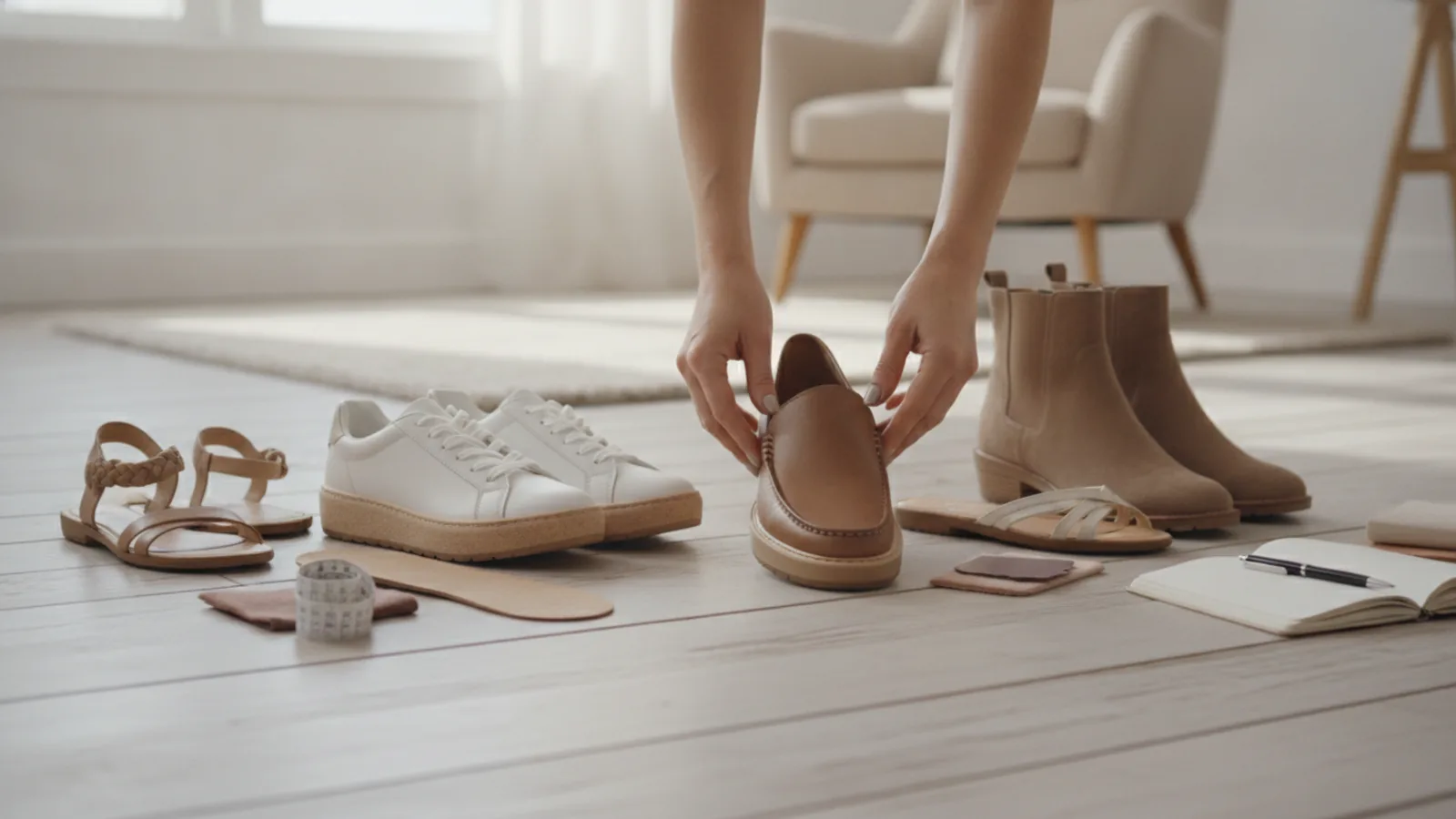
Shoes are the heaviest items, so you want to minimize the number. Pick one comfortable, broken-in pair for walking, and if you need dressier shoes, choose a pair that can be dressed down for casual wear. Wear your bulkiest pair on the travel day, and pack the other pair with socks stuffed inside them to save space. Also, think about weather: if rain is possible, choose water-resistant shoes or bring a compact umbrella. Ultimately, aim for no more than two pairs, plus perhaps a pair of sandals if you're headed to a warm climate.
How can I leave room for spontaneous plans, like a day trip or a special dinner?
Start by not overpacking – use a capsule wardrobe and stick to the essentials. Then, allocate a specific empty space in your luggage, maybe a quarter of the bag, that you deliberately keep free. For any spontaneous activity, think about what you might need and whether you can acquire it at the destination. For instance, a day trip might only require a daypack, which you can purchase or borrow. For a special dinner, you could pack one versatile accessory that can dress up any outfit. Finally, consider using a foldable tote or a spare carrier in your bag that takes little room but can be used for purchases.