A Practical Guide To A Useful Capsule Wardrobe For Changeable British Weather
A practical step-by-step guide to a practical guide to a useful capsule wardrobe for changeable British weather, including preparation, instructions, common issues, tips, and next steps.
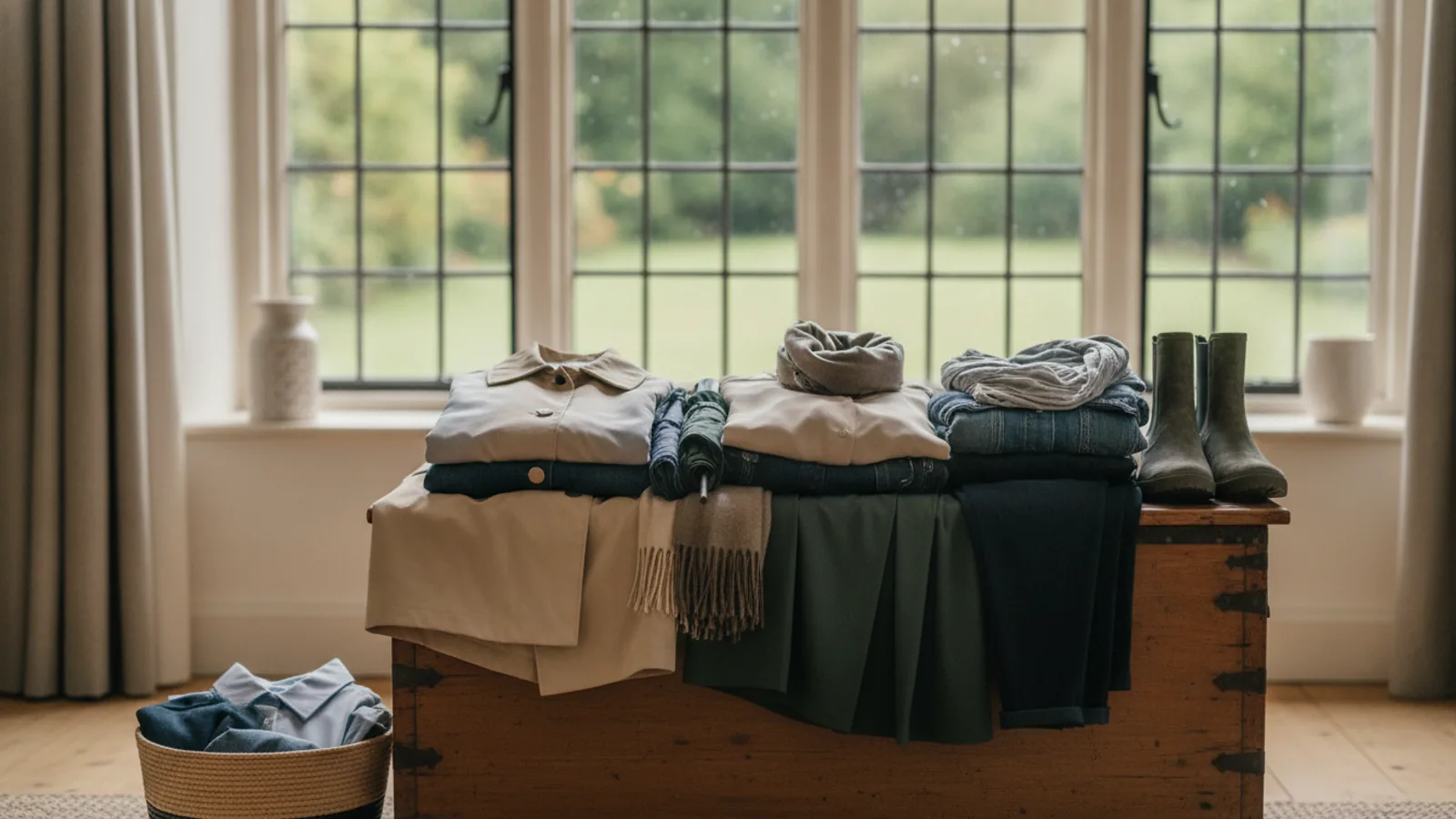
A Practical Guide To A Useful Capsule Wardrobe For Changeable British Weather
This guide helps you build a versatile capsule wardrobe tailored to the unpredictable and often damp British climate. It focuses on selecting layering pieces, water-resistant outer layers, and sturdy footwear that work together for rain, wind, and mild temperatures. You'll learn to choose a cohesive color palette, prioritize natural fibers, and adopt a 'dress in threes' rule for flexible outfits. The approach emphasizes practicality and longevity, so you invest in fewer, better-quality items that mix and match effortlessly. Expect clear steps for planning, purchasing, and maintaining your capsule, along with quick-reference advice for weather surprises. The goal is to reduce daily dressing stress while staying comfortable and dry, whether you're commuting, walking the dog, or enjoying a weekend in the countryside.
Fast Answer
- Start by picking a neutral base palette of navy, grey, and beige, then add two accent colors that work together; this ensures all pieces interchange easily.
- Invest in a waterproof, breathable jacket that hits mid-thigh, plus a packable down or synthetic vest for warmth; these two layers cover most British weather.
Before You Start
- Assess your typical week: list the activities you do regularly (commuting, outdoor walks, office days) to identify the core situations your wardrobe must handle.
- Take a clear photo of your current clothing or use a simple note app to log what you actually wear; this reveals gaps and often-worn items.
- Check the weather patterns in your region for the next season: note average rainfall, wind strength, and temperature swings to guide your fabric and layer choices.
- Set a clear budget for the season, but avoid naming a specific number; focus on cost per wear and prioritize investing in the jacket, shoes, and two sweaters.
Step-by-Step Instructions
Choose a Versatile Color Palette
Begin by defining a core palette of three neutrals and two accents that work together in any combination. For British weather, ideal neutrals are navy, grey, and a warm beige or olive; these hide light rain spots and pair with almost everything. Pick two accent colors that complement the neutrals, such as rust and dusty blue, or mustard and forest green. This restriction is not about limiting creativity but about ensuring that every top matches every bottom, which simplifies getting dressed in low morning light. Write down your palette and keep it in your phone notes; use it when shopping or assessing existing items. A practical check: lay out your chosen five colors side by side; if any two clash obviously, replace that color. This methodical step is essential because a cohesive capsule thrives on interchangeability, minimizing the time you spend deciding what to wear.
Prioritize Layering over Heavy Coats
British weather demands a layering system: a thin merino wool base, a mid-layer like a cotton or wool sweater, and a weatherproof outer shell. This combination regulates temperature in mild wet spells, sudden wind bursts, and cool indoor environments. Invest in a high-quality base layer that wicks moisture and insulates even when damp, and a mid-layer that you can remove easily if the sun breaks through. The outer shell should be windproof and water-resistant, with a hood that fits over a hat. A practical check is to wear your entire layering system and raise your arms as if hailing a bus; if movement is restricted, adjust sizes. This approach is effective because it adapts to the day's fluctuations without carrying extra clothes, ensuring comfort from morning to evening.
Select Weather-Ready Outerwear
Your coat or jacket is the most critical item for British weather, so choose one that is waterproof rather than just water-resistant. A mid-thigh length with a hood and adjustable cuffs provides coverage and seals out rain. Ensure the material is breathable to prevent overheating, and that you can wear your mid-layer underneath without feeling constricted. If you live in particularly wet areas, consider a jacket with taped seams. For changeable days, a packable down or synthetic vest adds warmth without bulk and can be worn under the shell or over a sweater. A practical check is to test the jacket under a running tap for one minute; if water beads and rolls off, it's suitable. This careful selection matters because a reliable outer layer lets you face unexpected downpours confidently, protecting both you and your layered outfits.
Invest in Footwear That Handles Rain
Choose two versatile pairs of shoes: one for daily commuting and walking, and another for outdoor or casual activities. Look for leather or waterproof treated fabric that can withstand puddles and persistent drizzle. Grippy rubber soles prevent slips on wet pavements and muddy paths. For your daily pair, consider Chelsea boots or derbies with a low heel; these work with jeans, chinos, and skirts. For outdoor adventures, a sturdy pair of hiking shoes or wellingtons in a neutral color suits most trips. A practical check is to spray your shoes with a waterproofing treatment before first wear and reapply monthly; this prolongs their life. Remember to try shoes with the socks you'll actually wear; if they're too tight, your feet will ache. Choosing the right footwear is essential because wet feet ruin your whole day, affecting mood and comfort.
Build Bottoms That Match Everything
For the lower half, choose three to four bottoms that pair with all your tops: one tailored thick cotton or wool trouser, one pair of dark jeans (not too faded), and a smarter option like corduroy or heavy chinos. In very wet periods, you might add a quick-dry pair of trousers. These bottoms should be cut for comfort—not too tight—and hemmed to suit your height and footwear. Avoid trousers that require dry cleaning; check washing instructions for machine-washable. A practical check is to dress a complete outfit using each bottom with every top; if any combination looks odd, rethink the piece. This system reduces wardrobe waste and ensures you are ready for everything from a casual café meeting to a countryside walk. Durable, classic cuts also survive fading and wear, making them a smarter investment.
Curate a Small Set of Tops
From your palette, select seven to nine tops: a few short-sleeve tees in quality cotton or merino, one or two long-sleeve fine knit sweaters, one heavier jumper, and a structured shirt or blouse. These tops must layer under the jacket and work with any bottom. Consider the neckline: a crew neck or V-neck that suits your face is most versatile. Tops in neutral colors hide dampness and are easy to wash. A practical check is to wear each top with every bottom in your capsule; if any pairing feels mismatched, remove it. This process ensures maximum outfit combinations and avoids the frustration of owning unused garments. With less choice, you'll spend less time deciding and more time doing, which is the heart of a capsule wardrobe.
Quick Reference
| Situation | Action | Why it helps |
|---|---|---|
| Sudden heavy rain while you are commuting in town | Pull on your waterproof shell jacket and ensure the hood is up; if you have an umbrella, use it, but prioritize the jacket. | The shell is designed to keep you dry without overheating, and an umbrella offers extra protection for your head and upper body. |
| Morning is cold (5°C) but forecast says it will be mild (15°C) by midday | Wear your merino base, a lightweight sweater, and your packable vest; carry a thin rain jacket in your bag for later. | Layering allows you to remove the vest and sweater as temperatures rise, and the jacket is ready for unexpected drizzle. |
| Windy day with light rain and you need to look smart for a meeting | Choose a tailored wool or synthetic blend coat with a scarf and leather shoes; avoid wearing a hooded casual shell. | A structured coat blocks wind, keeps a professional silhouette, and protects you from light rain while still allowing layering. |
Common Issues
- After a few wears, my jacket doesn't repel water as well as it used to.: Wash your jacket according to its care label using a technical cleaner, then apply a waterproofing spray or wash-in treatment. This renews the durable water repellent (DWR) finish that causes rain to bead up.
- I feel sweaty and uncomfortable when wearing multiple layers indoors.: Choose a thin merino or synthetic base layer that wicks moisture, and switch to a lighter mid-layer like a cotton or silk blend. Always unzip or remove a layer when you go indoors; it's fine to carry it.
- My shoes get soaked and take a long time to dry, leaving them smelly.: Use a boot dryer or stuff them with newspaper to absorb water, and rotate between two pairs so each has time to fully dry. Apply a waterproofing spray regularly and clean mud off before it sets.
Advanced Tips
- Incorporate accessories like a silk scarf, a cashmere beanie, and a leather belt that can transform outfits; they add warmth and style without adding bulk.
- Learn a basic stitching repair for seams and buttons; mending small issues extends the life of your wool sweaters and jackets in high-stress areas.
- When buying, choose natural fibers that breathe well, like wool, cotton, and linen, and avoid pure synthetic fabrics that can trap odours in damp conditions.
Final Checklist
- Have at least five complete outfits that work for both indoor and outdoor settings with your layering system.
- Pack a small emergency kit in your bag: a tiny umbrella, a foldable shopping tote, and a scarf for sudden changes.
- Ensure all your outerwear has a waterproof rating that suits your local rain intensity; check the brand's specification.
- Review your capsule at the start of each season and remove items that no longer fit or work, donating them to reduce clutter.
FAQ
What should I do if I need to look professional but the weather is bad?
Invest in a tailored, waterproof trench or a structured wool coat that hits mid-thigh. Pair it with dark trousers, a fine knit sweater, and polished leather boots with a slight tread. A silk scarf adds style and protects your neck from wind. This combination looks smart and handles rain effectively.
How often should I wash my wool sweaters to keep them fresh?
Wool sweaters typically need washing only every few wears unless they are visibly dirty or smelly. Air them out after a day's wear, and spot-clean small stains. Hand wash in cold water with a wool-specific detergent, or use the delicate cycle, then dry flat. This preserves their fibers and shape.
Can I build a capsule wardrobe without spending too much?
Yes, start by taking inventory and focusing on quality basics. Look for sales, second-hand shops, or online marketplaces for high-quality items. You can also buy a few core pieces first and gradually expand. Always check fabric quality and fit to ensure longevity, so you don't repurchase quickly.