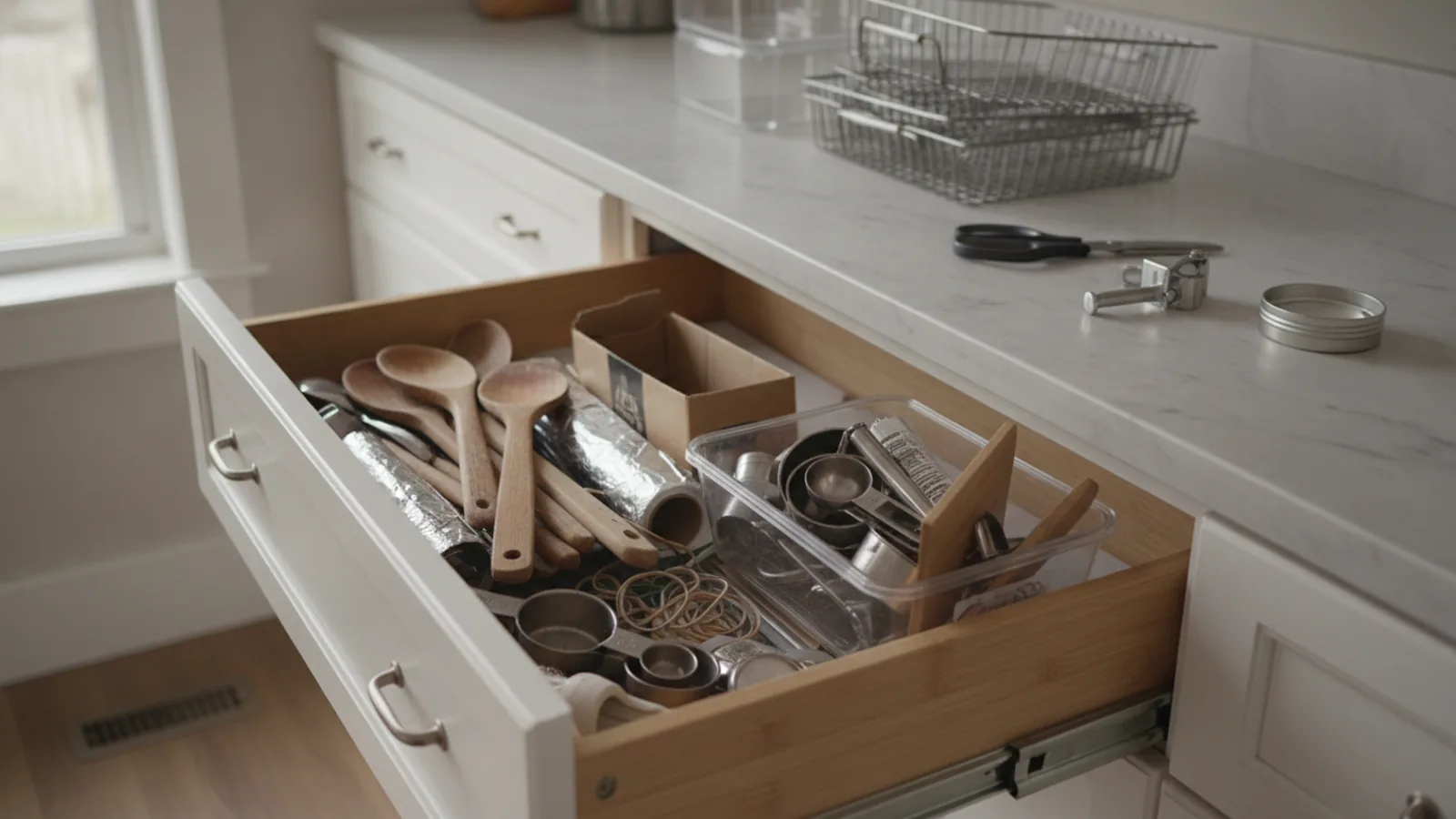
Common Mistakes When Setting Up A Thoughtful Housewarming Gift That Will Actually Be Used
A practical step-by-step guide to common mistakes when setting up a thoughtful housewarming gift that will actually be used, including preparation, instructions, common issues, tips, and next steps.
Common Mistakes When Setting Up A Thoughtful Housewarming Gift That Will Actually Be Used
A thoughtful housewarming gift is one that fits the recipient's real life, not just the occasion. Many people default to decorative items or generic kitchen gadgets that end up in a closet or get regifted. This guide walks you through the most common mistakes—from ignoring the person's daily habits to overlooking practical constraints like space and maintenance—and shows you how to choose something useful, personal, and genuinely appreciated. You'll learn how to observe without prying, ask the right questions, and wrap or present your gift in a way that encourages use. The goal is to give something that becomes a small, delightful part of their new home, not something that adds clutter.
Fast Answer
- Avoid buying generic decor or trendy gadgets; instead, focus on the recipient's hobbies, daily routines, and practical needs by observing their conversations and social media (without being creepy) and asking open-ended questions.
- Think about the physical space of their new home—size, layout, lighting, storage—and choose a gift that fits comfortably and serves a clear purpose, such as a tool, a consumable, or a personalized item.
Before You Start
- Before you choose a gift, quietly note what the recipient already owns and talks about: do they cook often, work from home, have pets, or enjoy outdoor activities? This gives clues to what they'd actually use.
- Consider their living situation: apartment vs. house, available counter space, aesthetic taste (minimalist, cozy, industrial), and whether they rent or own, which affects what they can install or mount.
- Ask them (or their partner or close friend) directly about any specific needs or items they've been eyeing but haven't bought themselves—people often appreciate a practical suggestion.
- Set a personal budget that you're comfortable with, but remember that the thoughtfulness of the gift matters more than its price; a well-selected small item often beats an expensive but generic one.
Step-by-Step Instructions
Observe Their Daily Routines
Start by paying attention to what the person actually does every day. Notice if they brew coffee each morning, cook elaborate dinners, or rely on delivery. Look at their social media (if they're active) for pictures of their previous home or hints about what they enjoy. Also consider their job: do they work from home and need a better chair cushion or a desk organizer? Does their hobby involve specific tools? For example, if they love baking, a high-quality digital scale could be a hit, but only if they're into precision. Don't ask pointed questions directly if that feels awkward; instead, listen during conversations for phrases like 'I wish I had something to...' or 'I keep meaning to get a...' This observation phase is crucial because it helps you tailor the gift to their real needs, not just generic preferences. The check is to write down three concrete clues you've gathered about their habits—if you can't list three, keep observing and listening.
Assess Their Space and Lifestyle
Once you have a general idea of their interests, narrow it down by considering the physical constraints of their new place. How large is their kitchen? Do they have a balcony or a tiny bathroom? A gift like a stand mixer might be impractical if they have minimal counter space. Also think about their lifestyle: are they often traveling for work? Then a bulky appliance might sit unused. Are they renting? Then mounting a permanent shelf or a wall lamp might not be feasible. Look up typical apartment layouts in their building (without being intrusive) or rely on clues from their stories. A practical check is to imagine the gift in a typical room of their home: does it fit neatly on a shelf or counter without obstructing walkways? Would it need special installation or maintenance? For instance, a cast iron skillet is superb for cooking enthusiasts, but it requires seasoning and careful handling—if they're not into that, they might not use it. Choose something that integrates seamlessly, not something that demands extra effort.
Choose a Gift That Solves a Small Problem
The best housewarming gifts are those that address a common annoyance in the recipient's daily life. Think about what could make their new home more comfortable or efficient. For example, a high-quality doormat to keep dirt out, a magnetic knife strip to save drawer space, or a smart power strip to manage multiple devices. The key is to solve a problem you've identified during observation. Maybe they mentioned that the entryway was dark, so a battery-operated motion-sensor light could be a great choice. Or they complained about tangled cords, so a cable management box would help. When you pick a problem-solving gift, it shows that you've been listening and that you care about their convenience. To check your choice, ask yourself: 'Does this item save time, reduce clutter, or improve comfort?' If you can't answer yes to at least one, reconsider. Also, ensure that the solution doesn't create new problems—for instance, a smart speaker might be great, but if they value privacy, they might not want a device that's always listening.
Personalize It Without Making It Too Specific
Personalization makes a gift feel special, but it can backfire if it's too niche or tied to trends. Think about adding their initials to a set of towels, or engraving a meaningful quote on a cutting board. However, avoid personalizing something they might want to return or exchange, like a piece of clothing. Also, don't make it so specific to their current phase that it becomes obsolete quickly—for example, a baby-themed item when they don't have kids. A safe way to personalize is to choose an item that they can use for years, like a cast iron skillet with a custom handle, or a photo book of memories from their old place to a new one. The check is: would they still appreciate this item if their circumstances changed (e.g., they move again)? If not, choose a different item. Also, ensure that the personalization doesn't make the item hard to clean or maintain—for instance, engraving on a wooden board is fine, but avoid on things that go in the dishwasher.
Wrap and Present It to Encourage Immediate Use
The presentation of the gift matters almost as much as the gift itself. A gift that is beautifully wrapped in recyclable paper with a personal note creates anticipation. But the real trick is to present it in a way that invites them to try it right away. For example, if you're giving a coffee maker, include a small bag of their favorite beans and suggest brewing a cup together. If it's a board game, set it out on the coffee table and ask for a game later. This encourages them to use it immediately, which increases the chance they'll continue using it. Also, consider the practical aspect: if the gift requires batteries or setup, do that beforehand or show them how. A check is to imagine the moment they open it—does the gift come with instructions or a ready-to-use state? Don't hand them something that needs a complicated assembly without any guidance. Your note can include a simple tip or recipe that gets them started.
Follow Up After a Week or Two
The final step is to follow up after they've had time to unpack and settle in. Send a short message or call to ask how they're adjusting and if they've used the gift. This isn't about seeking praise; it's about showing that you care about their comfort. If they mention that they haven't used it yet or that it's not quite right, listen without judgment. You might offer to exchange it or help them set it up. This follow-up also gives you insight for future gifts—what did they love, what didn't work? Even if they didn't use it, your sincere interest can strengthen your relationship. The check is: after the follow-up, you should be able to note at least one thing you learned about their preferences or the success of the gift. This learning makes your future gift-giving even more thoughtful. Also, it's a chance to reinforce the gesture—mention that you were thinking of them when you chose it, which adds warmth.
Quick Reference
| Situation | Action | Why it helps |
|---|---|---|
| You know they love to cook but their new kitchen is tiny. | Buy a compact, high-quality silicone spatula set and a collapsible sieve that can hang on a hook, and include a recipe card that uses one pot. | This addresses space constraints and gives immediate use, avoiding clutter and showing you thought about their actual cooking routine. |
| They just moved from a big house to a small apartment. | Give them a set of nesting storage bins with labels, and offer to help them declutter a room in the first week. | It helps them manage reduced space and the offer of help shows genuine support beyond the physical gift. |
| They're tech-savvy but you're not sure what gadget they need. | Buy a multi-port USB wall charger with a long cord and attach a small cable organizer to it, then set it up near the main outlet. | It's universally useful, solves the common problem of not enough outlets, and is a practical upgrade they'll likely appreciate. |
Common Issues
- You bought an item that's too similar to something they already own.: If you realize this before giving it, try to return it and choose a different item. If you've already given it, you can offer to exchange it for a different one—say, 'I got you this, but I know you might already have one, so I kept the receipt.' Honesty is better than letting it sit unused.
- The gift requires an item or setup you didn't include, like batteries.: Always include batteries or other accessories needed for the gift, and if it needs assembly, do it beforehand or provide clear instructions. If you don't have time, put a note in the gift: 'Needs 2 AA batteries' so they can grab them.
- You gave something that contradicts their lifestyle, like a heavy cast iron pan to a vegan who cooks minimal oil.: If the gift is a miss, apologize sincerely and offer to replace it with something more suitable. Ask them what they'd prefer, or suggest a gift card to a kitchen store so they can choose exactly what they want.
Advanced Tips
- To avoid gift duplication, ask the recipient's close friends or family what they're planning to give, so you can coordinate or pick something complementary rather than overlapping.
- If you're crafty, consider a DIY gift that is genuinely useful, like a hand-sewn zippered bag for storing reusable produce bags, but only if it's well-made and they'll actually use it.
- Add a small, consumable 'bonus' item that they can enjoy immediately, such as a bag of locally roasted coffee beans, a set of artisanal chocolates, or a scented candle—this provides instant gratification even if the main gift is something to set up.
Final Checklist
- Did you observe at least three clues about their daily life and habits from conversations or social media?
- Is the gift sized and styled to fit their actual space and aesthetic, like a compact appliance for a small kitchen or a neutral color that matches their decor?
- Does the gift solve a clear, practical problem or serve a specific need that they've mentioned or hinted at?
- Have you included everything needed for first use, such as batteries, instructions, or a small sample item, and presented it in a way that invites immediate trying?
FAQ
What if I don't know the recipient well enough to know their tastes?
If you're not close enough to know their preferences, it's safer to choose something universally useful and consumable, like a high-quality kitchen towel set, a bottle of good olive oil, or a gift card to a local hardware store. Personalize it with a warm note explaining that you wanted to help them settle in. The key is to avoid making assumptions; a gift that is consumable or easily exchangeable reduces the risk of it going unused. Alternatively, ask a mutual friend for guidance—most people are happy to help.
Is it okay to give a gift that is practical but not beautiful?
Yes, absolutely. Practical gifts are often the most appreciated because they show you're attuned to the person's real needs. However, 'practical' doesn't mean 'ugly'—you can find functional items in attractive designs, like a minimalist lemon-squeezer or a wooden trivet. Just ensure that the item is something they'd be proud to display or keep out on the counter. If it's purely utilitarian, like a fire extinguisher, present it as a thoughtful safety measure, and pair it with a nice card to soften the practical tone.
How can I avoid giving a gift that gets regifted or donated?
To avoid regifting, steer clear of generic items like candles, mugs, or picture frames that are often over-given. Instead, focus on personalization and problem-solving, as described in the steps. Ask yourself: 'If I received this, would I use it within a week?' If the answer is no, reconsider. Also, consider their hobbies and daily routines—a book on a topic they love, a set of specialty pens for a stationery fan, or a tool kit for a home repair enthusiast are more likely to be used. Lastly, include a handwritten note explaining why you chose it, which adds a personal connection that makes them more likely to keep it.