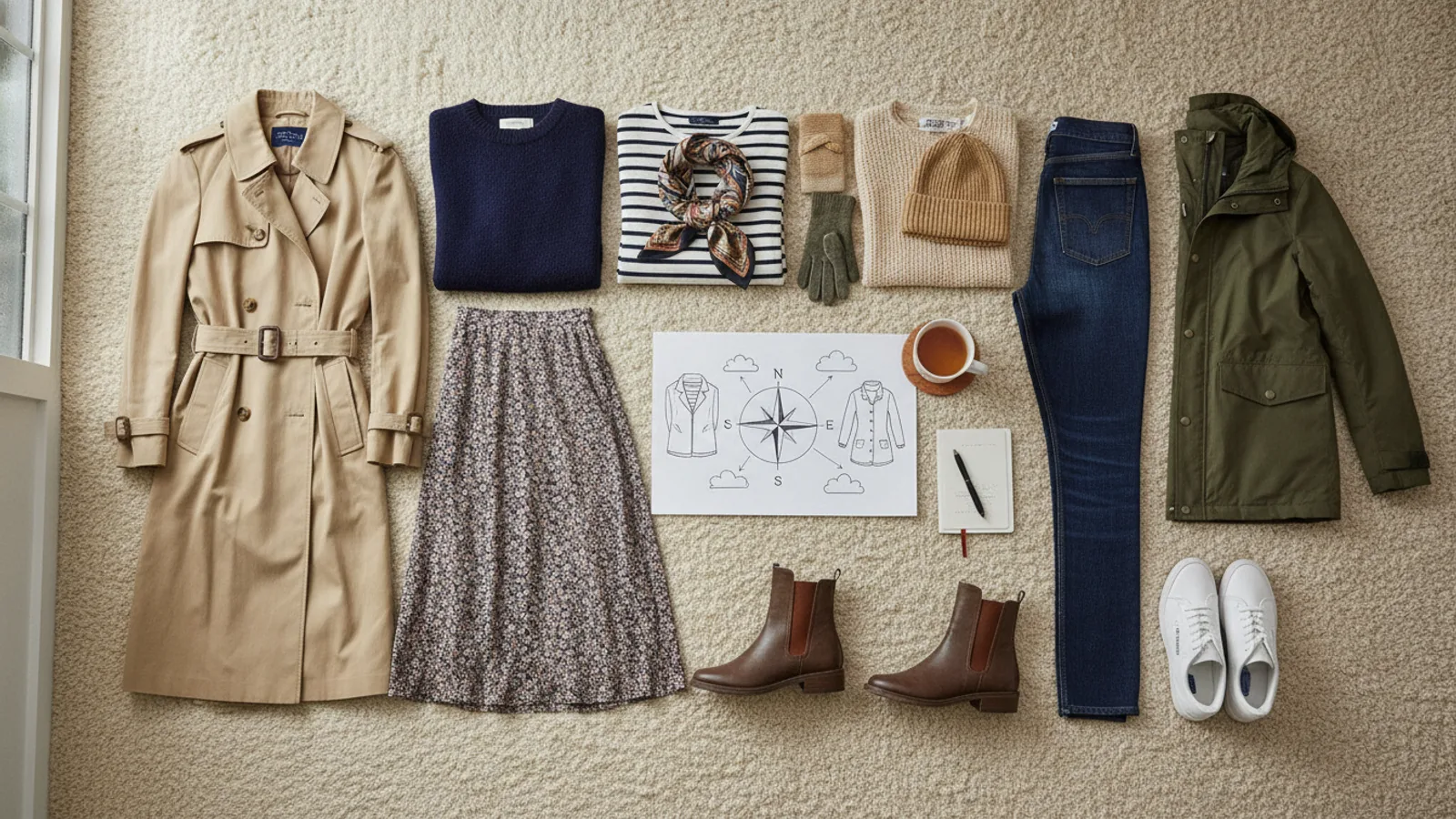
How To Transition Your Summer Dress Into Fall Outfits
A practical step-by-step guide to How to transition your summer dress into fall outfits, including preparation, instructions, common issues, tips, and next steps.

How To Transition Your Summer Dress Into Fall Outfits
Transitioning a summer dress into fall outfits is a practical styling skill that extends the life of your warm-weather wardrobe while keeping you comfortable as temperatures drop. By layering thoughtfully, choosing seasonal colors and textures, and adjusting accessories, you can create fresh looks that feel intentional rather than improvised. This guide walks you through preparation, step-by-step styling, troubleshooting, and advanced techniques so you can confidently wear your summer dresses well into autumn. You will learn how to assess fabric weight, add warmth without bulk, and adapt footwear and outerwear to match changing weather. The result is a versatile rotation that saves money and reduces wardrobe waste.
Fast Answer
- Layer a lightweight turtleneck or long-sleeve tee under your dress, then add tights, boots, and a structured jacket or cardigan.
- Swap sandals for closed-toe shoes, add a scarf or belt, and choose deeper fall colors in your accessories to anchor the look.
Before You Start
- Gather your summer dresses and sort them by fabric weight, noting which are lightweight and which have more structure.
- Check your local weather forecast for the coming week to know what temperature range you are dressing for each day.
- Pull out fall layering pieces such as turtlenecks, leggings, tights, ankle boots, and medium-weight jackets to try with each dress.
- Set up a full-length mirror and good lighting so you can see how proportions and colors work together before you leave the house.
Step-by-Step Instructions
Assess each dress for fall potential
Start by laying each summer dress flat on a bed or hanging it in good light. Look at the fabric weight, color, and silhouette. Lightweight cotton or linen dresses work best as base layers under heavier pieces, while dresses with more structure can stand alone with just a jacket. Check for any stains, loose threads, or missing buttons that would look worse under fall lighting. A practical check is to hold the dress up against your body and pinch the fabric to see how it drapes when layered. If it bunches easily, it may need a slip or a different underlayer. This assessment matters because not every summer dress transitions equally well; some are better suited for early fall, while others should be stored until next year. Knowing this saves time and frustration when building outfits.
Choose the right base layer
The base layer is the foundation of a successful transition. For most summer dresses, a thin turtleneck, a long-sleeve tee, or a fitted thermal top works well underneath. Choose a color that either matches the dress closely or provides a deliberate contrast, such as cream under navy or black under floral. Put the base layer on first, then pull the dress over it. Adjust the neckline and sleeves so they sit smoothly. A practical check is to raise your arms and bend over to ensure the layers do not ride up or bunch uncomfortably. This matters because a poorly fitted base layer can make the whole outfit look lumpy and feel restrictive. If the dress has a deep V-neck, a higher-neck base layer can change the look entirely, so try both and see which feels more balanced.
Add legwear for warmth and style
Legwear is one of the quickest ways to make a summer dress fall-appropriate. Select tights, leggings, or knee-high socks based on the dress length and the day's temperature. Opaque tights in black, navy, or dark brown provide warmth and a polished look, while sheer tights work for milder days. Put them on before your shoes so you can check for wrinkles and comfort. A practical check is to walk a few steps and sit down to see if the waistband stays put and the fabric does not sag. This matters because ill-fitting legwear can ruin an otherwise great outfit and leave you cold. If the dress is short, consider leggings or footless tights for more coverage. For maxi dresses, you might skip tights and instead wear tall boots with warm socks.
Layer with outerwear and knits
Outerwear and knits add both warmth and visual interest. Try a cardigan, a denim jacket, a leather jacket, or a blazer over your dress. For a softer look, drape a chunky knit sweater over your shoulders or tie it at the waist. When layering, pay attention to proportions: a long dress pairs well with a shorter jacket, while a short dress can handle a longer cardigan. Put on the outer layer and check the mirror from the front, side, and back. A practical check is to button or zip the outer layer and move your arms in a full circle to ensure you have enough room. This matters because tight outerwear restricts movement and can make you overheat indoors. If the dress has a busy pattern, choose a solid-colored outer layer to avoid visual clutter.
Select footwear and accessories
Footwear and accessories anchor the outfit and signal the season. Swap sandals for ankle boots, loafer, or closed-toe shoes. Ankle boots work with almost any dress length and provide warmth and support. Add a scarf, a hat, or a structured bag to complete the look. For jewelry, consider warmer metals or chunkier pieces that complement heavier fabrics. Put on your chosen shoes and walk around your home for a few minutes. A practical check is to ensure the shoes are comfortable and appropriate for the weather, especially if you will be walking on wet leaves or uneven pavement. This matters because uncomfortable shoes can ruin your day and unsafe footwear can lead to slips. Accessories should feel intentional, so limit yourself to two or three key pieces rather than piling everything on.
Style, adjust, and do a final check
Once you have all the pieces on, take a moment to style and adjust. Smooth out any wrinkles, tuck in layers where needed, and make sure hems and cuffs are even. Check that your base layer is not peeking out in odd places and that your outerwear sits correctly on your shoulders. For a final check, look at yourself in a full-length mirror under natural light if possible. Turn around and sit down to see how the outfit behaves. This matters because small adjustments can make a big difference in how polished you look, and testing movement ensures you will be comfortable throughout the day. If something feels off, try swapping one element, such as changing the tights or removing a scarf. Keep the outfit that feels both comfortable and confident.
Quick Reference
| Situation | Action | Why it helps |
|---|---|---|
| You want to wear a sleeveless summer dress on a cool day. | Add a fitted long-sleeve top underneath, then layer a cardigan or jacket over the dress, and finish with opaque tights and ankle boots. | This combination provides warmth without hiding the dress and creates a balanced silhouette that works for both indoor and outdoor settings. |
| Your dress is too light in color for fall. | Ground the outfit with dark accessories such as a black belt, dark tights, and brown or black boots, and add a deep-toned scarf or bag. | Dark accents create contrast and make lighter dresses feel more seasonal, while also drawing the eye to your accessories rather than the dress alone. |
| You need an outfit that works from office to dinner. | Wear your dress with a tailored blazer, closed-toe flats or low boots, and a structured tote, then swap the tote for a clutch and add a statement necklace for evening. | This approach keeps the core outfit professional and comfortable, while small accessory changes shift the look from daytime to evening without a full change of clothes. |
Common Issues
- The layers make you look bulky.: Choose thin, fitted base layers and avoid bulky knits under the dress. Instead, opt for a sleek turtleneck and a tailored jacket. If you still feel bulky, try a belt to define your waist and create shape. Alternatively, switch to a different dress with a more streamlined cut.
- Your legs feel cold even with tights.: Increase the denier of your tights or switch to fleece-lined leggings. You can also wear knee-high boots with warm socks for extra insulation. If the dress is long, consider adding a slip or a second pair of thin tights underneath for an extra layer without bulk.
- The outfit feels too summery despite your changes.: Swap at least one element to a fall texture or color. Replace a bright floral scarf with a plaid one, change white shoes to brown boots, or add a felt hat. You can also deepen the color palette by wearing a dark base layer and darker tights, which instantly makes the dress read as fall.
Advanced Tips
- Use a dress as a tunic over wide-leg trousers or jeans for a modern layered look that adds warmth and changes the silhouette entirely.
- Experiment with unexpected layer combinations, such as a button-down shirt worn open over a slip dress, to create depth and visual interest.
- Invest in a few high-quality layering pieces in neutral colors that can work with multiple dresses, increasing your outfit options without expanding your closet.
Final Checklist
- Ensure your base layer is smooth and does not bunch under the dress.
- Check that your legwear is free of runs and fits comfortably at the waist.
- Verify that your outer layer allows full range of motion in your arms.
- Confirm your shoes are appropriate for the weather and comfortable for walking.
FAQ
Can I wear any summer dress in fall?
Most summer dresses can be adapted for fall with the right layers, but very lightweight or sheer fabrics may require additional underlayers or may be better suited for early fall. Dresses with structure and darker colors transition most easily. Assess each dress individually and test layers to see what works.
How do I prevent static cling with tights and dresses?
Static cling often comes from dry air and synthetic fabrics. Apply a small amount of lotion to your legs before putting on tights, or use a fabric softener sheet lightly on the inside of your dress. You can also wear a slip made of natural fibers under the dress to reduce friction. Check that your tights are not too tight, as tension can increase static.
What if I get too warm indoors while wearing fall layers?
Choose layers that are easy to remove, such as a cardigan or scarf, and opt for a base layer that looks good on its own. If you will be indoors for long periods, consider wearing a lighter base layer and keeping a heavier jacket for outdoor wear only. You can also choose breathable natural fabrics like cotton or wool to help regulate temperature.