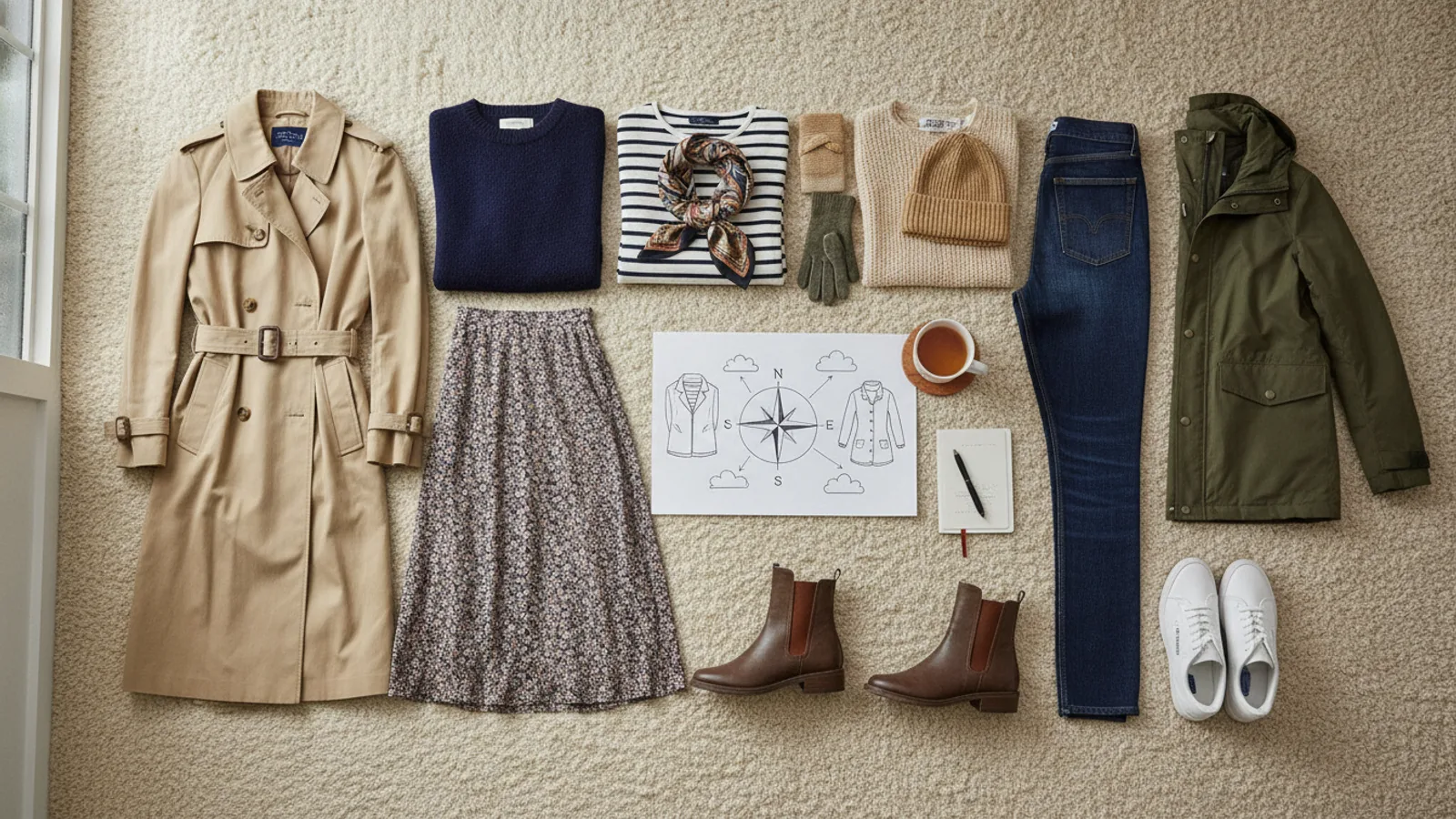
What To Check Before Choosing A Make Up Bag That Works For Travel And Everyday Touch Ups
A practical step-by-step guide to what to check before choosing a make-up bag that works for travel and everyday touch-ups, including preparation, instructions, common issues, tips, and next steps.
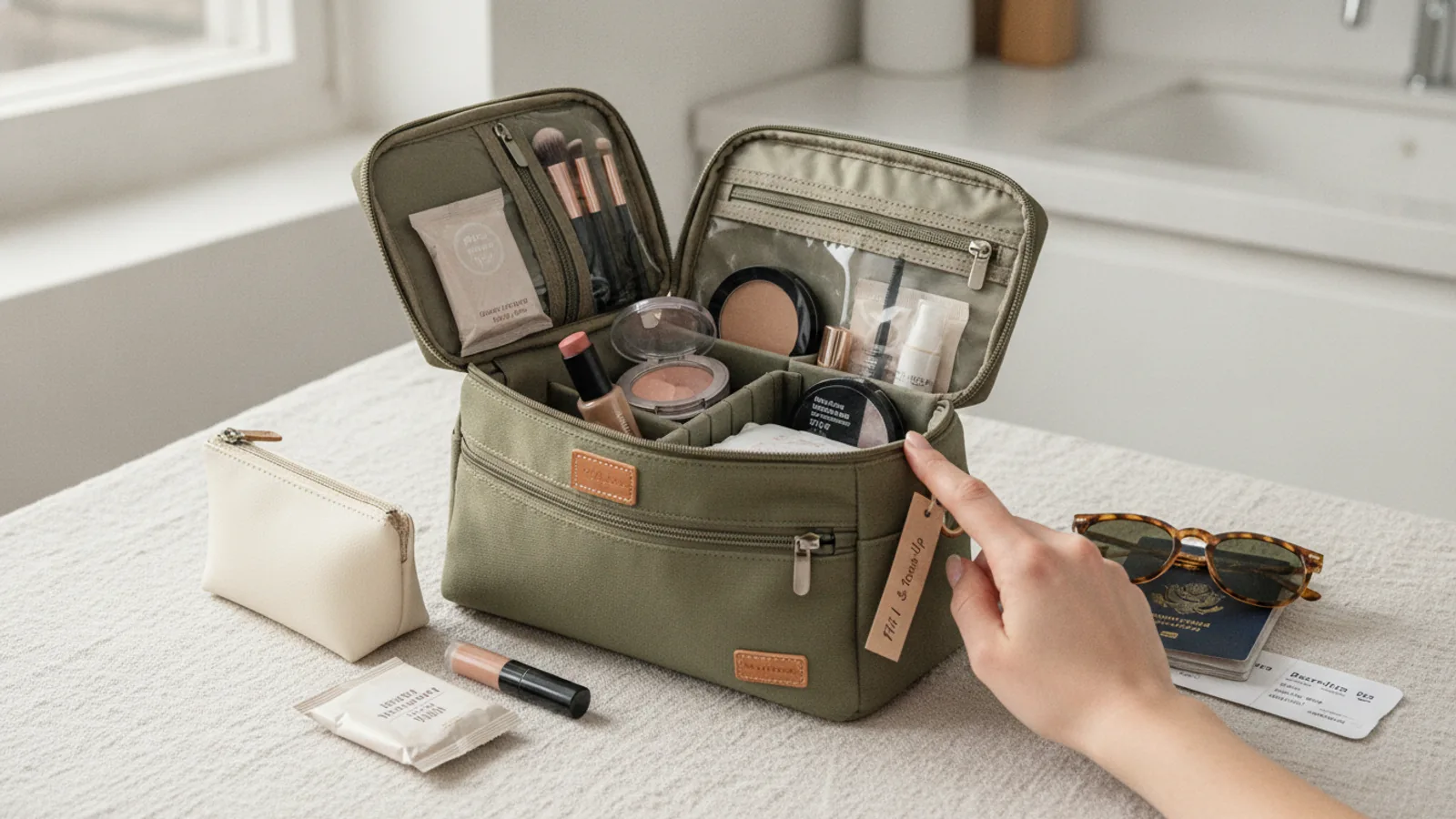
What To Check Before Choosing A Make Up Bag That Works For Travel And Everyday Touch Ups
Choosing a make-up bag for both travel and everyday touch-ups means balancing portability with the ability to organize and protect your essential items. This guide walks you through the key considerations, from understanding your personal routine to evaluating materials, compartments, and durability, so you can select a bag that simplifies your life and keeps your makeup secure.
Fast Answer
- To pick a make-up bag that works for travel and daily use, first list your everyday must-haves, then check that the bag's compartments can hold them upright and separated, and finally confirm the material is easy to clean and sturdy enough for packing.
- Look for a bag with a sturdy base, a wipeable lining, and organized sections that match your routine; measure your everyday items to ensure they fit without cramming, and choose a style that fits comfortably in your everyday bag or carry-on.
Before You Start
- Gather the makeup you use on a daily basis, including brushes, pencils, and any products you reach for at least twice a week, so you know the exact size and shape of items the bag must accommodate.
- Measure the footprint of your daily items by placing them side by side in a shallow box or tray; note the length, width, and height of the largest items like a foundation bottle or blush compact.
- Decide where you will carry the bag day to day and how you will pack it for travel will influence needed size and shape; for example, a flat pouch might work for a purse but not for a deep carry-on pocket.
- Consider your cleaning habits and how often you refresh your makeup bag; if you tend to spill liquids or cream products, you will want a material that wipes clean easily and seams that are sealed.
Step-by-Step Instructions
Define Your Daily and Travel Needs
Begin by listing the makeup you use regularly and the tools you need for application, such as brushes, sponges, or eyelash curlers. Think about your everyday routine and what you reach for when you are in a hurry. For travel, consider whether you will take the same items or a smaller subset, and account for solid versus liquid products that may need extra protection. Write down the dimensions of your largest items, like a foundation cushion or palette, to serve as a baseline. This list will prevent you from choosing a bag that is either too small (forcing you to invest in travel sizes) or unnecessarily large (taking up precious space). A clear list also helps you prioritize features like brush slots, a waterproof lining, or an external pocket for quick access. Remember that your needs may shift with seasons, so focus on the most common scenarios—commuting, weekend trips, and longer vacations—to find a versatile size that works in all.
Evaluate Compartments and Organization
Once you have your item list, look for a bag that offers at least two types of storage: a main compartment for larger products and smaller divided pockets for lipsticks, mascaras, and brushes. Check if the dividers are fixed or adjustable; adjustable ones allow you to reconfigure the space as your collection changes. For travel, look for a bag that has a designated secure spot for brushes, either a rolled section or a pocket with elastic loops, so bristles are not crushed. Also, consider whether you need a water-resistant or absorbent pocket for a wet brush or sponge. Verify that the bag can stand upright when open, making it easier to see and grab items without spilling. If you carry cream products, ensure that the compartments are tall enough to hold them upright, preventing leakage. A well-organized bag saves time during touch-ups because you do not have to dig through piles of products, and it also protects your makeup from breakage.
Assess Materials and Durability
Inspect the outer material and the lining of the bag. For durability, look for a fabric that can withstand daily friction, such as a woven nylon or a coated canvas, and check that the stitching is tight and reinforced at stress points. The interior must be smooth and wipeable; a nylon or vinyl lining is ideal because you can clean away powder residue and makeup spills with a damp cloth. Avoid bags with a fabric lining that absorbs liquids, as they can become stained and harbor bacteria. Also, test the zippers and closures to ensure they open and close smoothly without catching. If you plan to pack the bag in a suitcase, consider a padded exterior for extra protection, but note that it adds bulk. A durable material extends the life of your bag and prevents embarrassing leaks or tears, especially when you are on the move.
Check Size and Portability
Measure the interior dimensions of the bag and compare them to your product list. Ensure the bag can hold all items without forcing them to sit at odd angles, but avoid a bag that is so large it becomes bulky. For everyday use, the bag should fit comfortably inside your everyday handbag or tote, so measure the space in your purse as well. For travel, think about how you will pack the bag: will it sit flat in a suitcase, or do you need a hanging organizer that hooks onto a towel rack? A bag that is too tall may not fit in a carry-on, and a bag that is too deep may waste space. Also, consider the weight of the bag itself; a heavy bag with many compartments can add unnecessary load. A portable size ensures you can actually bring it along, making it useful for both quick touch-ups and packing.
Prioritize Cleaning and Maintenance
Think about how easy it is to keep the bag clean. Makeup products, especially powders and creams, constantly shed residue, and brushes can pick up oils that transfer to the bag. Choose a bag with a lining that you can wipe out with a versatile cleanser or even a makeup remover wipe. Check if the bag has any porous surfaces, like a natural cloth, that would stain or hold odors. Also, consider the exterior: a light-colored bag may show dirt quickly, which might not be practical for frequent use. Look for a bag that dries quickly if you need to rinse it. Remember that a clean bag prevents bacterial buildup, which is important for skin health. Some bags have a removable tray or insert that you can wash separately, making maintenance even easier.
Test Practicality and Flip-through Features
Before making a final decision, simulate your typical usage. Unzip the bag and imagine you are in a hurry: can you see all your items at once, or do you need to dig through layers? Consider if the bag opens flat, like a clutch, which gives a clear view; a bag with a narrow opening may be less practical. Check if you can easily access a specific item without pulling everything out. If you use a hanging bag, ensure the hook is sturdy and can rotate to hang flat. For a bag with a top zipper, test how you would hold it open; some bags have a strap that allows it to hang, which is useful in public restrooms. This step ensures that the bag does not hinder your routine; it should save time, not complicate it.
Quick Reference
| Situation | Action | Why it helps |
|---|---|---|
| You switch from a daily tote to a small evening clutch for a night out. | Transfer only the absolute essentials into a compact, flat pouch that can slip into the clutch, and leave the full bag at home. | A slim, solid bag with a wipeable surface fits easily in a small purse and reduces the risk of spills while keeping your touch-up items secure. |
| You open your bag and see that powders have collected in the corners, making a mess. | Immediately wipe the lining with a dry paper towel or a sticky lint roller, and check that the compartments have tall enough sides to keep products upright. | Regular wiping prevents staining and keeps the bag hygienic; upright products release less powder and stay cleaner. |
| You are packing for a week-long trip and want to keep your bag from leaking or crushing. | Place the makeup bag in a separate zip-top plastic bag before putting it in your luggage, and pack it in the center of your clothes for cushioning. | This extra layer protects against leaks and provides cushioning, so your makeup remains intact and your luggage stays clean. |
Common Issues
- The bag is too small and you have to remove several items to get to a lipstick or brush.: Purchase a bag with at least three internal sections: one for tall bottles, one for flat compacts, and one elastic loop section for brushes. Alternatively, use a separate pouch for brushes.
- The outer material gets dirty quickly and the stains are hard to remove.: Choose a bag with a coated exterior, such as nylon or polyester, and spot-clean it with a damp cloth and mild soap. For deeper cleaning, check the manufacture's label for washing instructions.
- Items shift during travel and hit each other, causing breakage or leakage.: Select a bag with divider pads or use small travel jars to separate products. You can also place cotton pads between compacts to cushion them, and ensure the bag is packed snugly to minimize movement.
Advanced Tips
- Look into bags that use a modular system, where you can attach separate pouches to a main organizer; this lets you customize the layout for different trips or daily needs.
- Consider a bag with a transparent window or mesh panels so you can see the contents without fully opening it, which is handy in security lines or when you need to find a specific item quickly.
- Check the zipper quality by running it open and closed several times; smooth zippers with large handles are easier to use when your hands are oily or wearing gloves.
Final Checklist
- List your daily essential makeup items and compare their dimensions to the bag's interior size, ensuring a comfortable fit without overstuffing.
- Verify the bag has at least one wipeable interior lining and durable stitching to withstand regular use and travel.
- Confirm that the bag can open fully and stand on its own, making all contents visible and accessible in a hurry.
- Test the zippers and closures to ensure they operate smoothly, and check that the bag fits in your usual everyday bag or carry-on luggage.
FAQ
What is the best material for a makeup bag that I will use daily and for travel?
A durable fabric like padded nylon or polyester is ideal because it is lightweight and resistant to water and stains. Look for a lining that is smooth and wipeable, such as nylon or vinyl, to make cleaning easy. Avoid canvas or other absorbent materials that can soak up makeup and harbor bacteria.
How can I keep my makeup bag from getting messy and hard to organize?
Use small clear containers or jars to hold loose items like sponges and bobby pins, and place products upright in compartments. Regularly declutter by removing items you haven't used in the past month. Also, wipe the bag's interior weekly to prevent residue buildup, and return items to designated spots after each use.
Should I choose a bag with dividers or an open pouch?
If you carry a variety of products, dividers are helpful to prevent items from rolling around and to protect them from breaking. However, an open pouch can be more flexible for larger items. For travel, a bag with removable dividers offers the best of both worlds, allowing you to adjust the layout based on your current needs.