A Practical Guide To A City Break Packing List That Leaves Room For Plans
A practical step-by-step guide to a practical guide to a city-break packing list that leaves room for plans, including preparation, instructions, common issues, tips, and next steps.
A Practical Guide To A City Break Packing List That Leaves Room For Plans
A city-break packing list should prioritize flexibility, comfort, and efficiency, allowing you to adapt to spontaneous plans. This guide helps you pack light yet comprehensively, focusing on versatile items, smart organization, and a mindset that leaves room for unexpected adventures. You'll learn how to prepare, pack step-by-step, handle common issues, and use advanced tips to make your trip smoother.
Fast Answer
- Pack a capsule wardrobe with mix-and-match pieces in a single color palette, and keep toiletries in travel-sized containers to save space.
- Use packing cubes to organize clothes by category, and always keep a small daypack for daily excursions and souvenirs.
Before You Start
- Check the weather forecast for your destination and planned activities, then lay out clothes that can be layered for temperature changes.
- Make a checklist of essentials: travel documents, chargers, medications, and a reusable water bottle, and keep them in a designated spot.
- Choose a carry-on suitcase or backpack that fits airline size limits, and practice packing it to ensure it's not overstuffed.
- Research local customs and dress codes for attractions like religious sites, so you can pack appropriate clothing without overpacking.
Step-by-Step Instructions
Choose a Versatile Color Palette
Start by selecting a cohesive color palette of two to three neutral tones, such as navy, gray, and beige, with one accent color. This allows every top to match every bottom, maximizing outfit combinations from fewer items. For a three-day trip, plan three tops, two bottoms, and one outer layer, which gives you up to nine outfits. A practical check is to lay out all items on your bed and confirm that every top pairs with every bottom; if not, replace mismatched pieces. This strategy reduces decision fatigue and ensures you look polished without carrying a wardrobe. By limiting colors, you also make mixing and matching effortless, leaving room in your luggage for souvenirs or spontaneous purchases.
Master the Art of Layering
Layering is your best tool for adapting to changing temperatures during a city break. Pack a lightweight merino wool or synthetic base layer, a mid-layer like a fleece or cardigan, and a water-resistant shell jacket. This system allows you to adjust to morning chill, afternoon sun, and evening breezes. For example, on a day trip, you can start with all layers, remove the mid-layer when warm, and tie it around your waist when needed. A practical check is to wear your bulkiest layer during travel to save luggage space, and ensure each layer is comfortable to wear alone. This approach not only keeps you comfortable but also reduces the need for heavy coats, which eat up packing space.
Optimize Footwear Selection
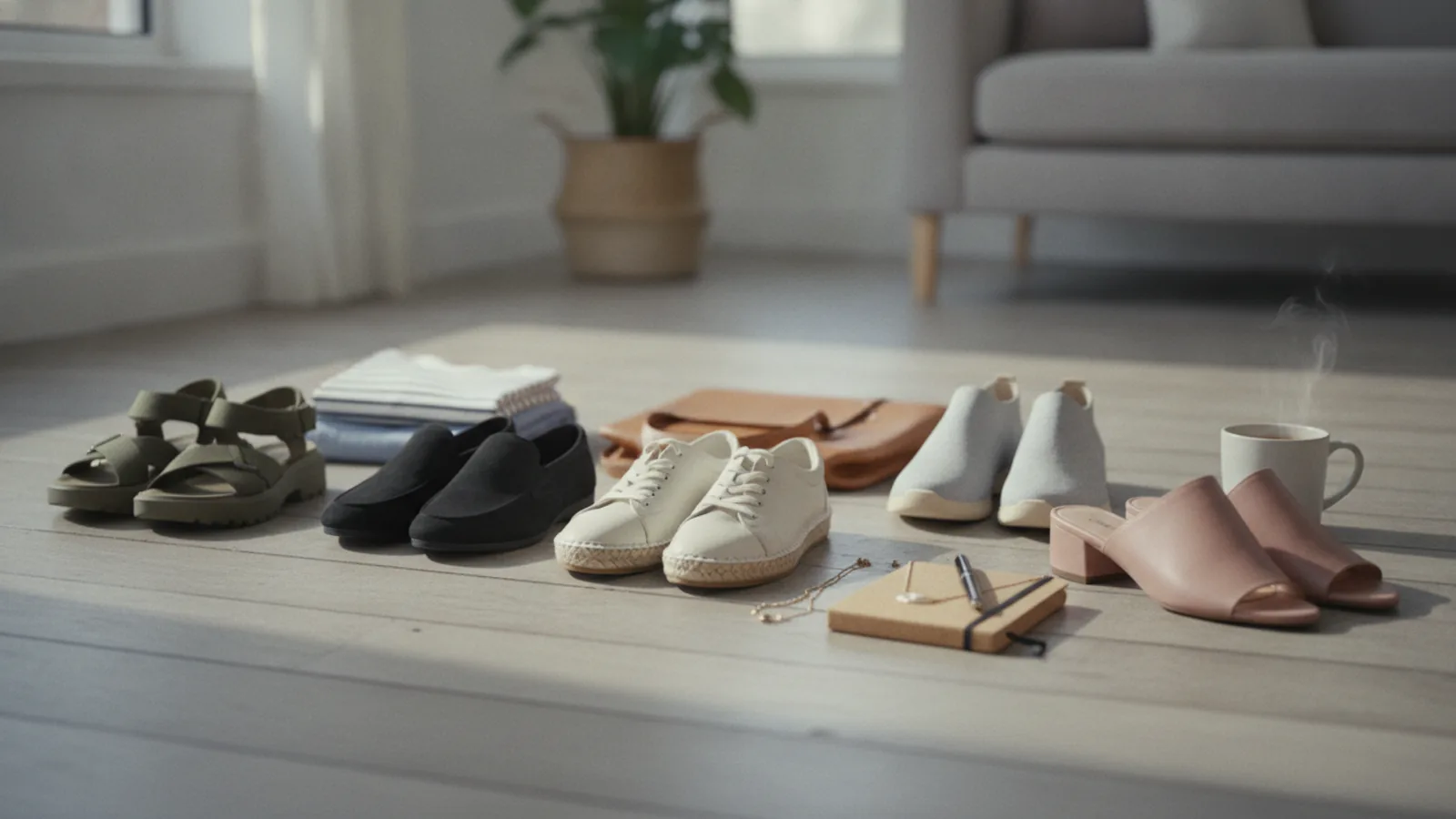
Shoes are the heaviest and bulkiest items, so limit yourself to two pairs: one comfortable walking shoe and one dressier option. If you plan to visit a beach or pool, a pair of sandals can be the dressier choice, doubling as casual wear. Wear your walking shoes on the plane or train to save space, and pack the dressier pair in a shoe bag to keep clothes clean. A practical check is to break in new shoes before your trip to avoid blisters, and ensure both pairs are suitable for at least 4 hours of walking. This rule forces you to prioritize comfort and versatility, preventing the common mistake of packing too many specialized shoes that you rarely use.
Streamline Toiletries and Electronics
Downsize your toiletries by transferring them into travel-sized containers, and only bring what you use daily, like toothpaste, deodorant, and sunscreen. For electronics, pack a universal adapter if traveling internationally, a power bank for emergencies, and necessary chargers. Consolidate cables by using a small pouch and label them with rubber bands. A practical check is to place all liquids in a single clear bag that meets security rules, and keep your electronics in an easily accessible pocket. This step keeps you organized and prevents overpacking, as many travelers bring multiple hair products or chargers that are redundant. Remember that you can often buy forgotten items at your destination.
Use Packing Cubes for Organization
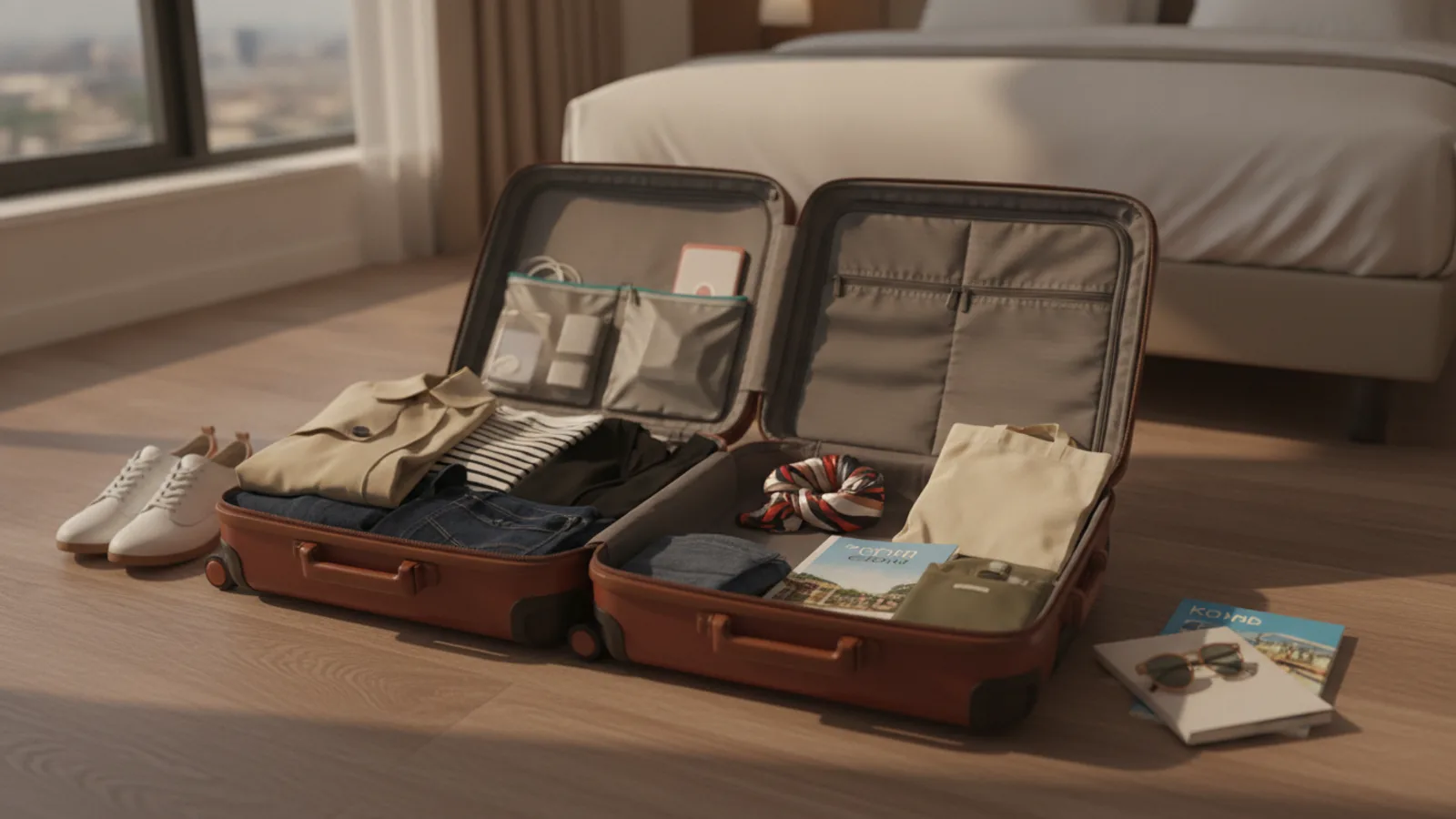
Packing cubes are a game-changer for keeping your suitcase tidy and maximizing space. Group items into categories: one cube for tops, one for bottoms, one for underwear and socks, and one for miscellaneous. Roll each item, then place tightly in the cube to compress it. A practical check is to ensure each cube fits snugly without bulging, and that you can identify contents by sight or label. This method not only saves space but also lets you find items without rummaging through your entire bag. Additionally, separates your clean and dirty clothes, making it easy to keep hygiene during the trip. By employing cubes, you maintain order and can quickly repack after accessing your luggage.
Leave Room for Spontaneous Finds
As you pack, intentionally leave about 20% of your suitcase empty to accommodate souvenirs, gifts, or items you might buy. This requires discipline in following your packing list and resisting the urge to fill every gap. A practical check is to close your suitcase and feel for any empty space; if it feels compact, remove one extra item. This buffer allows you to embrace unplanned experiences, such as picking up a handcrafted item or buying a new book, without worrying about luggage capacity. It also prevents overpacking, which causes stress and extra fees. By keeping this space, you make your city break more flexible and enjoyable.
Quick Reference
| Situation | Action | Why it helps |
|---|---|---|
| You encounter unexpected rain and didn't pack an umbrella | Buy a compact umbrella from a local convenience store, but first check your wardrobe for a hooded jacket or a scarf to cover your head. | Rain can derail your plans if you get soaked; a quick purchase solves the problem, but using layers protects you while you find shelter. |
| You realize you forgot a phone charger | Locate a nearby electronics store, but also ask your hotel front desk if they have a loaner charger available. | Your phone is vital for maps and communication, so having a backup keeps you connected without incurring extra cost or inconvenience. |
| You run out of clean socks after two days | Hand-wash your socks in the bathroom sink with travel soap, then roll them in a towel to squeeze out excess water and let them dry overnight. | This prevents foot odor and blisters, and you avoid needing to buy new socks, saving money and packing space. |
Common Issues
- Overpacking due to uncertainty about weather: Check the forecast three days before departure and pack only weather-appropriate items. Choose versatile layers that can be added or removed, and limit heavy outerwear. Accept that you cannot cover every possibility; you can buy a rain poncho if needed.
- Running out of space for souvenirs: Leave 20% of your bag empty from the start. If you find you have no room, mail non-fragile items home or use a collapsible tote as a second carry-on. Prioritize small items like magnets or postcards.
- Forgetting a crucial item like medication: Create a non-negotiable 'essentials pouch' that you always keep the same time and place, and never remove items from it. Put a checklist on your phone to verify before leaving your hotel, and always carry it in your daypack.
Advanced Tips
- Use a two-bag system: a rolling carry-on for main items and a lightweight backpack for daily use, which fits under the seat if needed.
- Pack a scarf or sarong that serves as a beach cover-up, picnic blanket, or modesty layer for religious sites, adding versatility without bulk.
- Wear your heaviest items, like jeans and a jacket, during transit, and choose wrinkles-resistant fabrics like knits or blends to avoid ironing on the go.
Final Checklist
- Verify you have your passport, ID, boarding pass, and any needed visas in your daypack.
- Check that your phone, power bank, and other devices are fully charged and you have chargers.
- Pack a reusable water bottle and a small first-aid kit with band-aids and pain relievers.
- Ensure your suitcase locks and you have a luggage tag with your contact information.
FAQ
How many outfits should I pack for a 4-day city break?
For a four-day trip, aim for four tops, two to three bottoms, and one outer layer, plus a pair of comfortable shoes and one dressier pair. This allows you to mix and match to create at least eight distinct looks, while keeping your luggage light. If you plan to do laundry, you can pack fewer items.
Should I bring a laptop on a city break?
Only if you need it for work or specific tasks. A tablet or smartphone can serve for entertainment and communication. If you must bring a laptop, ensure it fits in your daypack and carry it with you, as packing it in checked luggage risks damage or theft. Leave it at home if possible to reduce weight.
What is the best way to pack shoes to save space?
Wear your bulkiest pair during travel and pack the second pair. Stuff socks, underwear, or small items inside each shoe to use the internal space. Place shoes in a shoe bag or a shower cap to prevent dirt from soiling clean clothes. Position them at the bottom or sides of your suitcase, near the wheels if it has them.