A Practical Guide To A Family Day Out That Works For Different Ages
A practical step-by-step guide to a practical guide to a family day out that works for different ages, including preparation, instructions, common issues, tips, and next steps.
A Practical Guide To A Family Day Out That Works For Different Ages
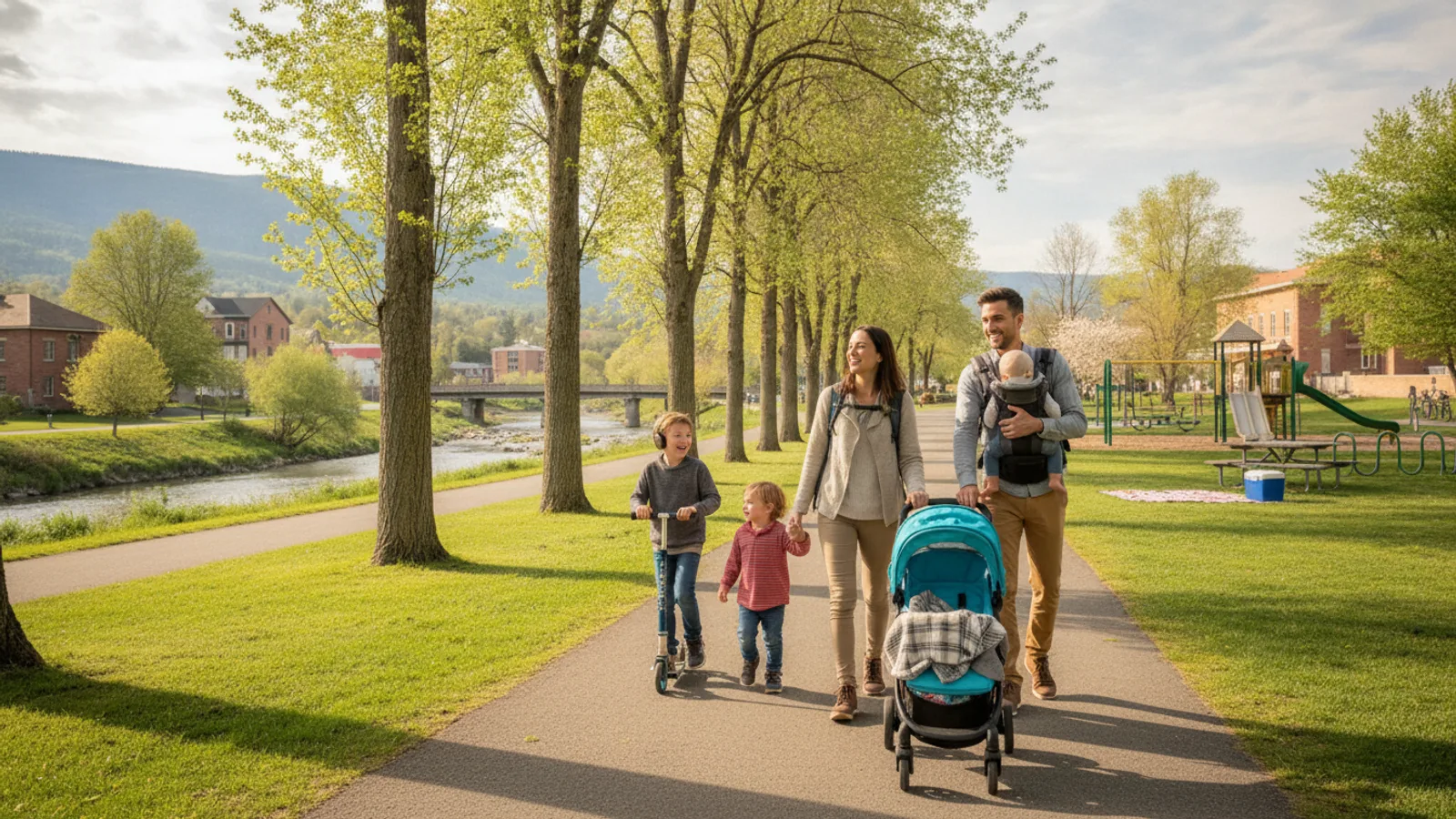
This guide offers a practical, step-by-step plan for planning a family day out that keeps children of different ages engaged, safe, and happy. It covers preparation, choosing activities, managing logistics, handling common issues, and ensuring a smooth day for everyone.
Fast Answer
- Pick a destination with a mix of activities suited for various ages, involve the kids in planning, and prepare a flexible schedule with buffer time.
- Pack a well-stocked day bag with snacks, water, first aid, spare clothes, and age-appropriate entertainment, and agree on a meeting point and rules.
Before You Start
- Involve all family members in choosing the destination and activities, making sure everyone can contribute an idea and feel heard, which builds excitement and cooperation.
- Check the venue's website or call ahead to confirm opening hours, accessibility, facilities, and any age-specific restrictions, and note what to bring or book in advance.
- Create a simple schedule that includes travel time, main activities, meal breaks, and buffer periods, but keep it flexible to allow for unexpected needs or interests.
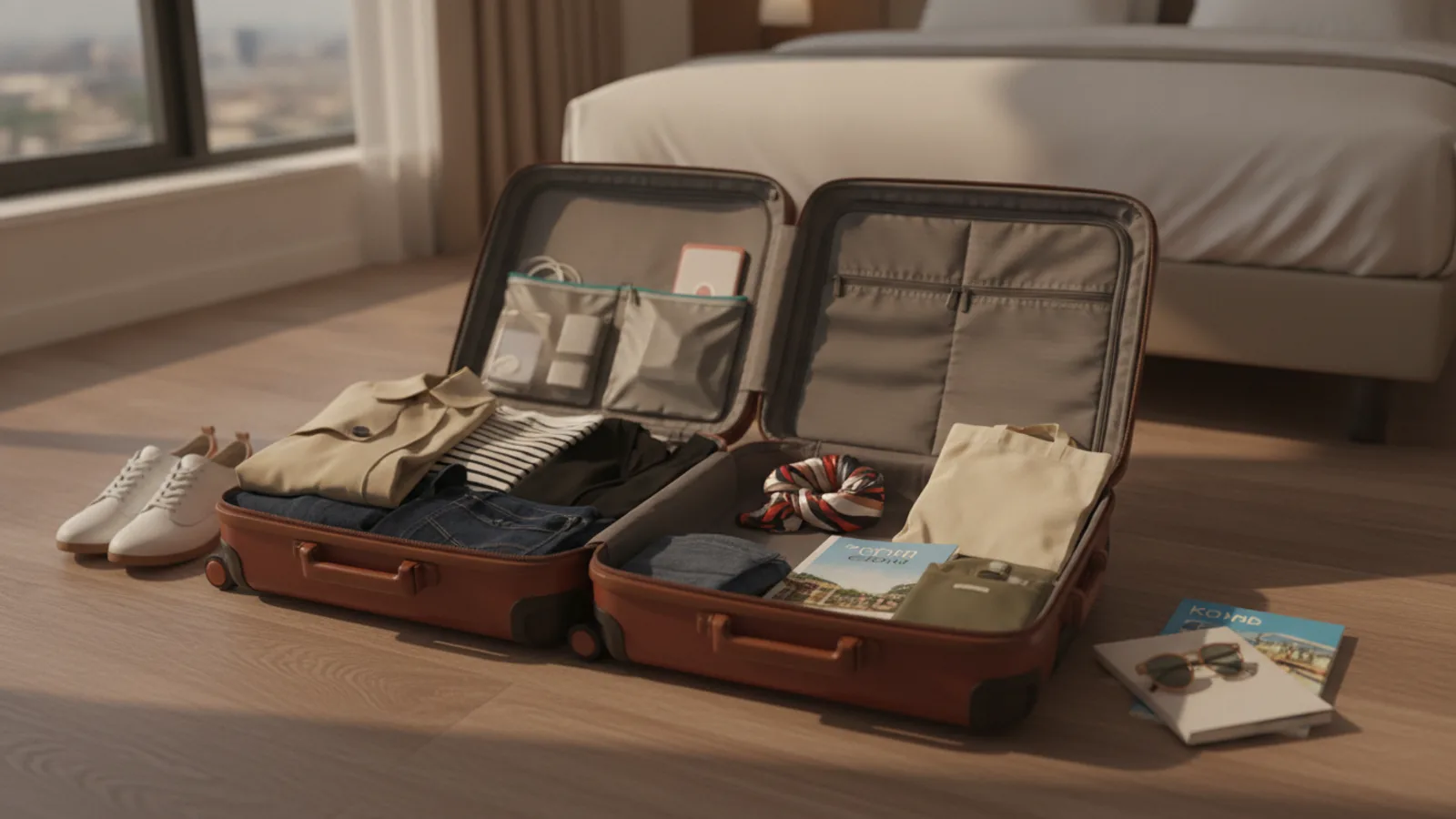
- Prepare a shared family bag with essentials: water bottles, non-perishable snacks, hats, sunscreen, a basic first-aid kit, wet wipes, spare clothes, and small quiet toys or books for downtime.
Step-by-Step Instructions
Set a Flexible Framework
Begin by agreeing on a general time frame and a rough budget for the day, but keep it loose enough to adapt. Choose a starting time that works for the earliest risers and plan for a midday rest period, especially if you have toddlers. Consider a backup indoor location in case of bad weather. Before setting off, have a family meeting where everyone can share one thing they most want to do. This helps balance different interests and makes each person feel valued. Once you have a rough plan, check the journey time and add at least thirty minutes for unexpected delays like traffic or finding parking. A flexible structure reduces pressure and lets you enjoy the moment when something captures the family's attention, whether that is a playground or a quiet patch of grass.
Pack Smart and Light
Prepare your family bag the night before to avoid morning chaos. Pack enough water and snacks to last the entire day, but choose items that are easy to eat on the go, like fruit, crackers, and sandwiches. Include a small first-aid kit with plasters, antiseptic wipes, and any personal medications. For younger children, pack a change of clothes and extra nappies, while older kids might want a light jacket. Add a few quiet toys or books for waiting times, but avoid screens as they can isolate the user. A practical check is to weigh the bag or try carrying it for a minute; if it is too heavy, remove non-essentials. Remember to bring a reusable bag for rubbish and dirty clothes, and keep a copy of your plan and emergency contacts in the bag. Having a well-organized bag means less stress when someone is hungry, tired, or has a small mishap.
Choose Age-Appropriate Activities
When selecting activities, aim for a mix that allows each age group to participate at its own level. For toddlers, look for areas with soft play, sand pits, or shallow water play. School-age children often enjoy hands-on exhibits, simple trails, or animal encounters. Teenagers might appreciate more challenging adventures like climbing walls, geocaching, or photography tasks. A good strategy is to pick a main activity that everyone can enjoy together but that offers different levels of engagement, such as a nature reserve with a short loop for little legs and a longer path for older explorers. Check the venue's layout to ensure it has baby-changing facilities, accessible toilets, and benches for resting. Before you commit, ask each child which option they prefer and use that to guide the final decision. This collaborative approach increases buy-in and reduces complaints later.
Establish a Meeting Point and Safety Rules
Before you enter a busy venue, agree on a prominent meeting point, such as a statue, a café entrance, or a specific bench near the play area. Walk there together so everyone knows the exact spot. Discuss simple rules: hold hands near roads, stay within sight of an adult, and use the buddy system if older children are permitted to wander. Give younger children a card with your phone number in their pocket or write it on their arm with a waterproof pen. For older kids, agree on a check-in time and a way to contact each other, such as a designated meeting time at a central information desk. Practise a quick drill where everyone points to the meeting point and says its name. This preparation turns a scary situation into a manageable one, giving both children and adults confidence.
Build in Rest and Snack Breaks
Schedule short breaks every hour or two, depending on the ages of your children. Look for shaded benches, grassy areas, or picnic spots where you can sit and have a drink and a snack. Use these breaks to check in with everyone: ask if anyone is too hot, cold, or tired. When you stop, let young children run around a bit to burn off energy before continuing. A practical check is to watch for signs of fatigue, such as slowing down, becoming irritable, or rubbing eyes; respond by finding a quiet spot for a brief rest. Even older children need downtime, so encourage them to sit and chat or simply observe the surroundings. These breaks help prevent meltdowns and keep energy levels steady for the whole day.
Wrap Up with a Debrief and a Memory
As the day winds down, gather the family at the meeting point and talk about each person's favorite moment. This shared reflection helps children process the day and gives you feedback for future outings. Before leaving, take a group photo or find a small, inexpensive memento like a postcard or a pressed leaf, if allowed. Use the journey home to discuss what went well and what you might change next time. A practical check is to make sure everyone has used the restroom and that you have collected all your belongings. When you arrive home, unpack the bag and check for any lost items, and write down any useful notes in a family outing diary. This simple habit turns every trip into a learning experience and creates a sense of closure.
Quick Reference
| Situation | Action | Why it helps |
|---|---|---|
| A toddler becomes tired and starts crying during a long walk. | Find a quiet place to sit, offer a snack and a drink, and let them rest for a while; do not push to continue. | Young children need regular rest to avoid overstimulation and meltdowns, and a short break can restore their mood and energy. |
| An older child wants to go off alone, but there is a crowded area. | Set a specific meeting time and place, give them a phone or a written plan, and remind them of the buddy rule. | This gives them a sense of independence while ensuring safety through a clear, agreed-upon check-in system. |
| The weather turns rainy and you have no backup plan. | Head to a nearby café or indoor visitor center, and adapt your activities to a short indoor scavenger hunt or story time. | Having a flexible mindset and a simple indoor option helps you salvage the day without stress, and it keeps everyone engaged. |
Common Issues
- Children argue over which activity to do first.: Take a vote or use a simple rotation system where each child picks the next activity; this gives each person a turn and shows fairness, reducing conflict and teaching patience.
- One child gets a minor injury, like a scraped knee.: Stay calm, use your first-aid kit to clean and cover the wound, and have a snack and a hug; this reassures the child and lets others know that accidents are manageable.
- The venue is more crowded than expected, making it hard to navigate.: Check a map at the entrance and choose less popular areas first, or simply find a quiet corner to regroup and decide on a less busy route.
Advanced Tips
- Arrange a 'quiet hour' for each child: give them a note that lets them take ten minutes alone with a book or to listen to music while you sit nearby.
- Consider packing a small, portable craft kit, like stickers and mini notepads, which can entertain all ages during long waits and are easy to pull out.
- Exchange contact details with another family at the venue; this can provide a social reward for older children and a simple safety net for parents.
Final Checklist
- Confirm the venue is open and has no special closures or restrictions on the day of your visit.
- Pack a family bag with water, snacks, first aid, spare clothes, and a small entertainment kit.
- Agree on a meeting point and review safety rules with every child before entering the venue.
- Set a realistic schedule with built-in rest and snack breaks, and remind everyone of the plan.
FAQ
How can I keep a wide age range entertained without splitting up the group?
Focus on activities that can be adapted, such as nature trails where you can do a short loop for toddlers and a longer loop for older kids, or choose a venue with multiple zones. You can also use a buddy system where an older child partners with a younger one for a specific mission, making it fun and inclusive.
What should I do if one child is hungry and another wants to keep exploring?
Pack portable snacks that can be eaten while walking, like fruit pouches or cereal bars, and let the hungry child eat on the go. Alternatively, take a short break near a bench while the other child plays within your sight, so both needs are met without much delay.
How can I handle a child who gets overstimulated in busy places?
Schedule quiet time in a less crowded area, use noise-cancelling headphones if they help, and give them a simple task like counting a certain color. It also helps to go during off-peak hours and to bring a favorite comfort item, and to leave early if they become overwhelmed.