Common Mistakes When Setting Up A City Break Packing List That Leaves Room For Plans
A practical step-by-step guide to common mistakes when setting up a city-break packing list that leaves room for plans, including preparation, instructions, common issues, tips, and next steps.
Common Mistakes When Setting Up A City Break Packing List That Leaves Room For Plans
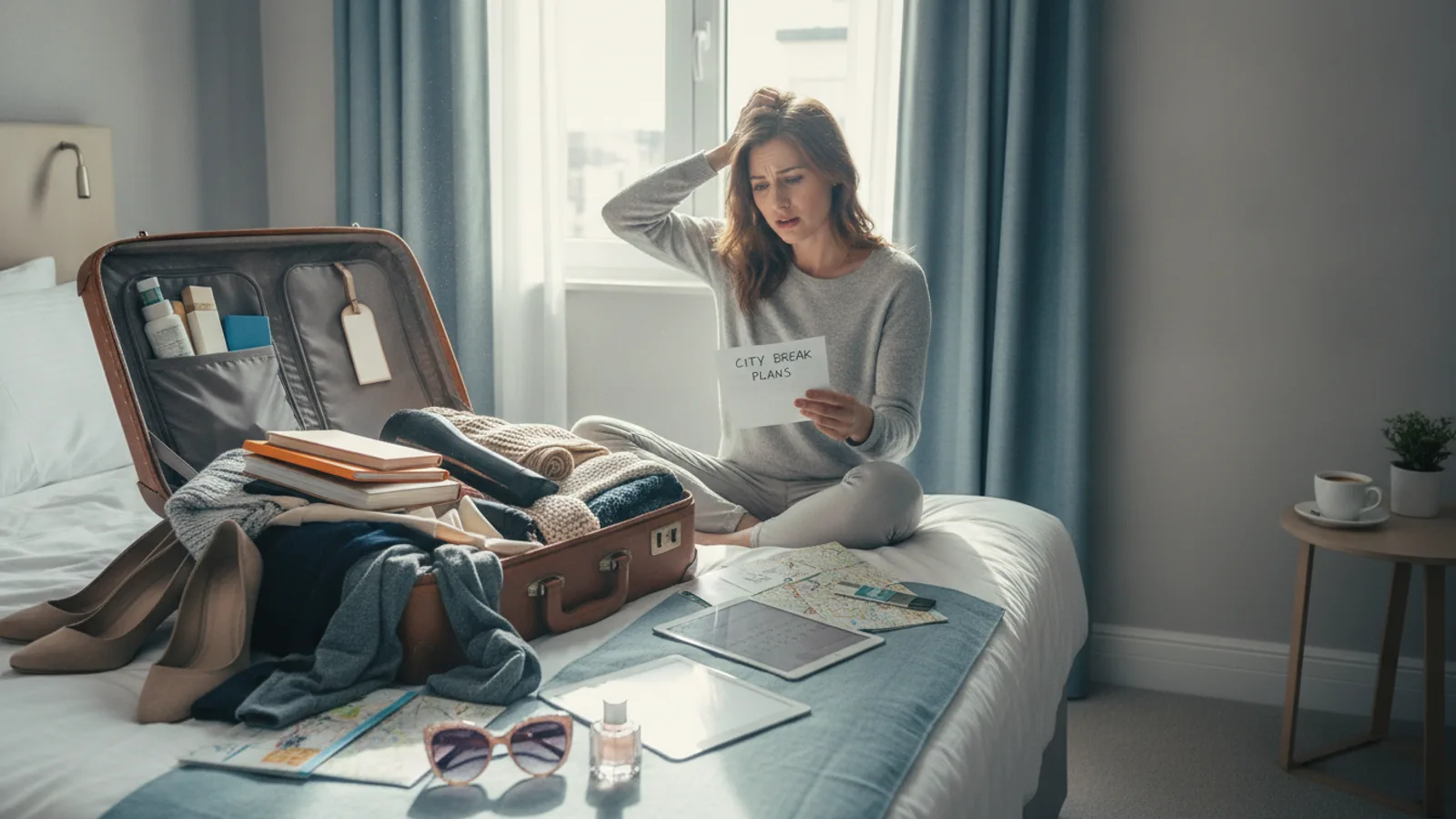
City breaks are short but intense, and a common mistake is over-packing or under-planning, leaving no room for spontaneous plans. This guide outlines the most frequent packing errors and how to avoid them, ensuring your bag includes essentials while allowing flexibility for unplanned adventures, dining, or weather changes.
Fast Answer
- Stick to a color-coordinated capsule wardrobe: mix-and-match tops and bottoms in neutral tones to create multiple outfits from fewer items, saving space and simplifying decisions.
- Pack a foldable daypack inside your main bag. This lightweight extra bag lets you shed layers or pick up souvenirs without carrying your entire luggage.
Before You Start
- Check the weather forecast for your exact travel dates and the specific neighborhoods you'll visit. Look for hourly forecasts to anticipate temperature swings and rain, then adjust your clothing plan.
- List every planned activity and its dress code: museums, nice restaurants, walking tours, hikes, or nightlife. Note which require specific shoes or layers, and cross-reference to avoid duplicates.
- Research the layout of your destination: public transit options, walking distances, and typical street conditions (cobblestones, hills). This informs shoe choices and whether you'll need a backpack or tote.
- Pack light but smart: choose one pair of versatile shoes (plus one dressier option if needed), and use packing cubes to compress clothing and organize by outfit or day.
Step-by-Step Instructions
List Your Non-Negotiables First
Before looking at your wardrobe, write down every absolute must-have item, such as medications, chargers, passport, wallet, and any work or study materials. These are non-negotiable and must fit, so their list dictates the space left for clothing and extras. Once you have this list, physically place these items in your bag or packing cube. This action forces you to see the real volume they occupy. The practical check: after placing them, shake the bag to ensure they sit securely and you can still close it with your planned clothing. This matters because it prevents the common mistake of planning a dream wardrobe that ignores essential gear, leading to a last-minute repack or leaving critical items behind.
Choose Versatile Footwear
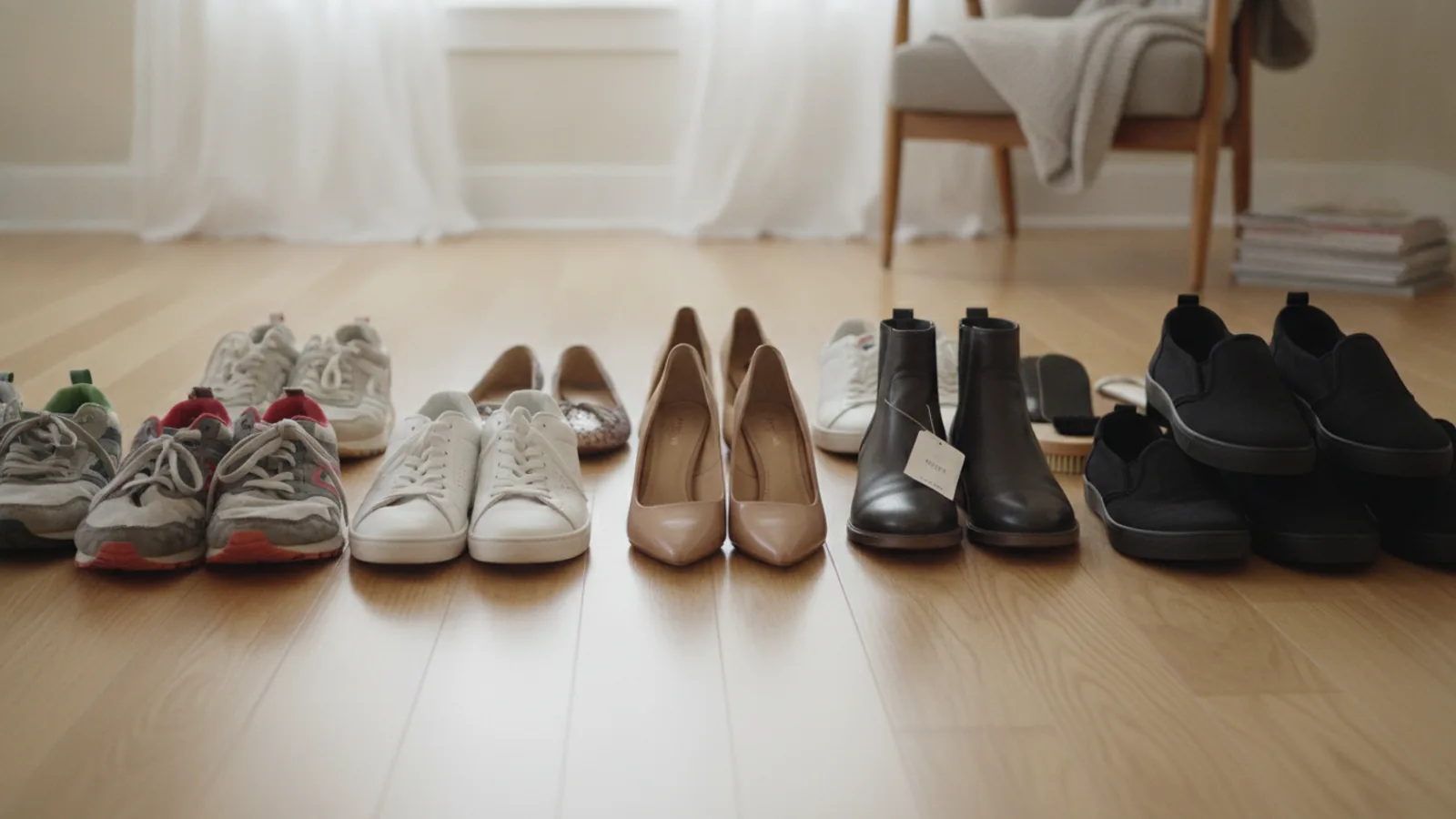
Shoes are the heaviest and most space-consuming items, so avoid packing multiple pairs. Select one pair of comfortable walking shoes that suit the city's terrain, such as cushioned sneakers for pavements or sturdy flats for cobblestones. If you have a dressy dinner or a club planned, add one pair of foldable flats or elegant low heels that squish into a side pocket. This decision shapes how you plan your outfits, so do it early. The practical check: measure the combined volume of both pairs against a shoe bag or packing cube, and ensure they fit without compressing your clothing. This matters because bulky shoes can quickly eat up a third of your suitcase's capacity, and over-pack shoes is a top mistake; keeping it to two pairs leaves room for spontaneous purchases.
Build a Capsule Wardrobe
A capsule wardrobe for a city break means selecting items that all mix and match. Choose a neutral color palette, like navy, gray, black, and beige, and pick tops and bottoms that pair with each other. For a three-day trip, you need three to four tops, two bottoms (pants or skirts), and one layer, like a cardigan or light jacket. This approach reduces the total number of items while multiplying outfit combinations. The practical check: lay out all clothing and plan each day's outfit, ensuring no item is worn only once unless it's a special piece. This matters because it prevents over-packing from 'outfit repetition anxiety'—the fear of wearing the same thing twice—which leads to a full bag of one-time items. With a capsule, you gain confidence that every piece serves multiple purposes.
Include a Foldable Daypack
A foldable daypack is a lightweight, compressible backpack that you can carry inside your main luggage until you arrive. It's perfect for daily outings, allowing you to leave your main suitcase at the hotel and carry only essentials like water, a map, and a light layer. The action is to pack it first, inside the main bag, and keep it accessible. The practical check: unzip it at home and test how much it holds—your daypack should fit a compact umbrella, a reusable bottle, and a small crossbody purse if you have one. This matters because many travelers end up buying a second bag on arrival or overloading their main bag, which is and cumbersome for navigating crowded streets or hopping on transit. A daypack gives you flexibility to go on a spontaneous hike or market visit without dragging a suitcase.
Pack Your Electronics Caddy
Electronics and their chargers are prime sources of clutter, especially when you carry multiple devices and cables for each. The action is to gather all your devices—phone, camera, e-reader, portable charger—and their respective cables and adapters, and place them in a compact organizer or a small pouch. This caddy should have designated slots to prevent tangling. The practical check: after packing the caddy, plug in each device to ensure the correct cable is inside, and consider whether you truly need all of them. For a city break, a single multi-port charger can replace several bricks. This matters because one common mistake is scattering chargers across different pockets, only to find a dead phone and a missing cable later. Concentrating them also saves space and reduces the weight of unnecessary extras.
Reserve Space for Plans
After packing all your items, deliberately leave at least 20% of your main bag's volume empty. This is your 'flex space' for purchases, picnic supplies, a jacket you shed mid-day, or snacks to bring home. The action is to zip up your packed bag and feel the top—if it's rigid, remove a few optional items or use compression cubes to create room. The practical check: fit a folded tote bag into that flex space, so you have an extra carry option if needed. This matters because many travelers pack to the brim, leaving no room for spontaneous purchases or a picnic, and then struggle to repack or end up carrying extra bags. By reserving space, you keep the ability to say 'yes' to unplanned experiences, which is a core joy of city breaks.
Quick Reference
| Situation | Action | Why it helps |
|---|---|---|
| You check the weather and find it might rain all day, but you haven't packed a raincoat. | Deliver a compact, packable waterproof jacket or poncho that can be worn or tucked into your daypack, and place it in the flex space you reserved. | City breaks often face sudden showers; having a packable layer keeps you dry without taking up much room and avoids buying a bulky umbrella. |
| You have a formal dinner planned but your shoes are all athletic or flat. | Pack a pair of foldable ballet flats or slim dress shoes that can be flattened and slipped into a side pocket or under your clothes. | Dress shoes are heavy, but foldable options provide style without consuming luggage space. This allows you to enjoy an upscale evening without dragging work boots. |
| You realize you've packed too many tops and have too little room for a few souvenirs you've bought. | Remove two tops that you haven't worn yet and replace them with a packable duffel or tote, keeping the flex space for purchases. | It's easier to buy a simple top if needed, but hauling an overstuffed bag is a pain. A collapsible bag gives you extra capacity for returns, groceries, or laundry. |
Common Issues
- Your suitcase is over the airline's carry-on weight limit, and you're forced to check it, causing delays and risk of loss.: Use a luggage scale before leaving home and remove non-essential items, especially heavy denim and multiple shoes. Weigh again after packing to stay under the limit, and wear your heaviest items during travel.
- You've packed for every 'what if' scenario, but your bag is so heavy that you're exhausted just walking to the transit station.: Lay out all items and assign each a 'usage frequency' score. If you won't use it on 80% of days, leave it. Opt for lightweight materials and choose a backpack with hip straps to distribute weight if carrying for long periods.
- You constantly unpack to find the item at the bottom, creating a mess and wasting time.: Use packing cubes or small pouches to categorize items: one for electronics, one for toiletries, one for underwear, and one for tops. Label each cube. This not only keeps your bag tidy but also speeds up packing and locating items without rummaging.
Advanced Tips
- Create a 'one-time' bin: items you think you'll wear once but are unsure. If you can't justify taking them, leave them and plan to wear the piece twice if you really love it.
- Consider the 'riffle' method: mix and match your planned outfits in a Tinder-style app or a printed photo chart, so you can see in minutes which combinations work without trying everything on.
- Master the art of rolling: rollT-shirts and dresses tightly to save space and reduce wrinkles. For delicate items, fold them in tissue paper and place in a cube to keep them crisp.
Final Checklist
- Place a 20% empty space in your main bag after packing, ensuring you can still close it easily and carry it comfortably.
- Confirm you have at least two pairs of shoes that can work for walking and dressy occasions, and that they are already worn or packed to minimize bulk.
- Verify all electronic cables for your essential devices are in the caddy, and that you have a multi-port charger if traveling with multiple devices.
- Do a final lay-out of your capsule wardrobe, checking that every top pairs with at least two bottoms and that you have a layer for unpredictable weather.
FAQ
How do I avoid over-packing without sacrificing outfit variety?
Stick to a color palette and choose mix-and-match pieces. For a 3-day trip, take 3 tops and 2 bottoms that all coordinate, so you have 6 possible outfits. Use accessories like scarves or statement jewelry to change looks without adding bulk. Also, plan to wear each item at least twice, and if you feel you need something new, consider buying a disposable item like a cheap T-shirt for a night out and donating it if necessary.
What is the best way to handle chargers and cables for multiple devices?
Use a dedicated organizer pouch with elastic loops or compartments. Keep each cable separate to prevent tangling, and label them with a small sticker. If possible, take a multi-port USB charger that can charge several devices at once, reducing the number of bricks. Also, bring a power bank for on-the-go recharging, and remember to pack the correct adapter for your destination if traveling internationally.
How should I plan for unexpected weather changes during a city break?
Check the weather forecast daily leading up to your trip, and watch for updates before you leave. Pack a packable rain jacket (or an umbrella that fits in your daypack) and a few light layers that you can add or remove. Know that temperatures can shift from day to night, especially in spring and fall. If you have flex space, you can always buy an extra layer if needed, but a versatile scarf can double as a blanket or wrap.