Common Mistakes When Setting Up A Family Day Out That Works For Different Ages
A practical step-by-step guide to common mistakes when setting up a family day out that works for different ages, including preparation, instructions, common issues, tips, and next steps.
Common Mistakes When Setting Up A Family Day Out That Works For Different Ages
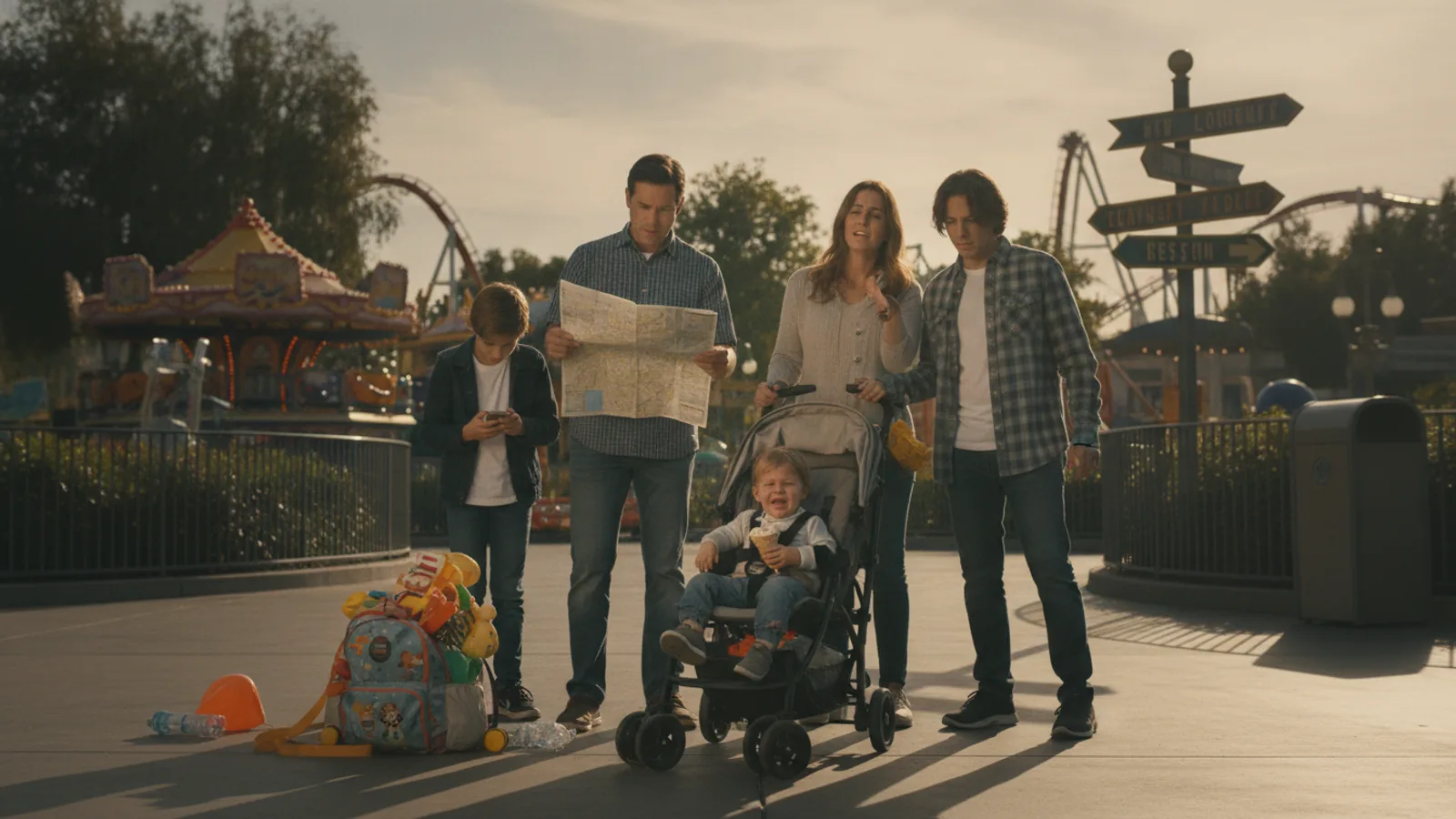
Planning a family day out that entertains toddlers, tweens, and grandparents can feel like juggling competing needs. The most common mistakes include overpacking the schedule, ignoring snack timing, skipping backup options for weather, and forgetting to build in rest stops. This guide walks you through a flexible framework: pick a location with varied zones, set realistic time blocks, assign simple roles to each family member, and always prepare a plan B. You'll learn how to avoid meltdowns, keep everyone engaged, and end the day with happy memories instead of exhaustion. The advice focuses on practical, low-stress strategies that work for large or small groups, with clear checkpoints to help you stay on track.
Fast Answer
- Choose a venue that naturally offers separate zones for different activities, such as a park with a playground, open field, and shaded picnic area, so each age group has something to do without splitting up for long.
- Build in a mandatory rest and snack break every two hours, even if everyone seems fine; this prevents the sudden energy crashes and hunger-induced grumpiness that can derail the whole afternoon.
Before You Start
- Before you leave, write down each person's top three 'must-do' activities for the day and agree on at least one activity that everyone will do together, even if it's just sharing a meal.
- Check the weather forecast not just for rain, but also for extreme heat or cold, and pack layers, sun protection, or rain gear accordingly; a change in temperature is a common day-ruiner.
- Prepare a single backpack or tote that contains a change of clothes for small children, a small first-aid kit, wet wipes, sunscreen, and any necessary medications, so you don't have to hunt through multiple bags.
- Talk to older kids and teens about the schedule in advance, giving them a sense of control by letting them choose between two reasonable options for the afternoon, such as a nature walk or a craft tent.
Step-by-Step Instructions
Set Realistic Time Blocks
Start by writing down your planned leaving time, travel time, and arrival time at the main activity. Then, work backwards from a reasonable ending time, such as late afternoon for young children, and allocate two-hour blocks for each main segment: travel, morning activity, lunch, afternoon activity, and return journey. For each block, subtract at least 30 minutes for transitions like bathroom breaks, buying tickets, or simply getting everyone from one spot to another. This may cut your list of attractions in half, but it gives you a realistic framework that prevents the frantic rush from one thing to the next. The check is: if your schedule doesn't have at least one 30-minute gap between major items, trim it further. This matters because transitions are usually the most chaotic part of any outing, and without built-in buffer time you'll be constantly herding people.
Assign Simple Roles for Everyone
Before you leave, hold a quick family meeting where each person chooses a small role for the day. For example, a five-year-old can be the 'snack lookout', responsible for pointing out the snack break time (with your guidance), while a teen might be the 'map master', navigating the route on a paper map or asking staff for directions. An older adult could be the 'photographer', capturing moments, and a parent can be the 'timekeeper', checking the schedule and reminding others when it's time to move on. Roles should be simple, non-demanding, and designed to give everyone a sense of purpose. The check is that each person has at least one clear job, and you've announced it before you leave the car. This matters because assigning roles reduces boredom and bickering, and it helps kids feel involved rather than passive passengers being dragged along.
Pack by Age Group in One Bag
Instead of each family member carrying their own backpack (which often leads to lost items and complaining), consolidate everything into a single, roomy tote or small rolling bag. Inside, use zipper pouches to separate items by need: one for tiny kids (diapers, wipes, change of clothes), one for older kids (hand sanitizer, small games), and one for adults (sunscreen, medication, phone charger). Keep the bag near you at all times, and designate a safe spot at each stop (like under a picnic table) where you'll always place it. The check is, before leaving each zone, quickly count your group members and do a visual sweep of the area to make sure nothing is left behind. This matters because a lost bag with essentials can end the day early, and a quick inventory keeps everyone comfortable and ready for whatever comes next.
Plan Snacks and Meals Strategically
Rather than waiting until someone says 'I'm hungry', set a snack time that aligns with your schedule, usually about 90 minutes after arrival and then every two hours after that. Bring your own snacks that don't require refrigeration: fruit, nuts, crackers, or granola bars. For lunch, choose a flexible option—either a picnic at a quiet spot you've identified in advance, or a venue with a cafeteria that you know has something for every taste. Keep each meal to about 45 minutes max, including cleanup, and avoid long sit-down meals (unless it's a special treat) so everyone can move on. The check is that you have at least one snack and one meal option ready before you leave home. This matters because food is the quickest way to stabilize moods, and waiting for a restaurant can lead to tears.
Identify Quiet Rest Zones Early
As soon as you arrive at the main venue, make it a family game to spot three places that look calm and comfortable for a rest: a quiet café corner, a bench under a tree, a library inside a museum, or a patch of grass away from the main walkway. Mark these on your map or note them in your phone. Then, plan to use one of them during each transition between major activities. Have a 'quiet bag' with a small book, a puzzle, or a simple card game that you can pull out when you settle into these rest zones. The check is that every family member knows the plan for the next rest stop and agrees to use it, even if they're not tired yet. This matters because proactive rest prevents meltdowns and gives everyone a chance to recharge.
Review the Day on the Way Home
Set aside the last 10 minutes of your car ride to talk about the day's highlights and any hiccups. Use simple prompts: 'What was your favorite moment?', 'What was the hardest part?', and 'What would you change for next time?' Let each person share one thing they enjoyed and one thing they would do differently. Listen without judgment, and note down any patterns, like if everyone loved the open field play but found the indoor exhibit stuffy. Then, as a group, decide on one small adjustment for the next outing that stems from this conversation. The check is that you've actually written down these ideas before you get home. This matters because reflection turns a fun day into a learning experience, and it helps you fine-tune your planning strategy for each family's unique needs.
Quick Reference
| Situation | Action | Why it helps |
|---|---|---|
| A toddler starts whining during a long walk between attractions. | Stop immediately, find the nearest bench, and pull out a small toy or snack from your bag for a two-minute break, then continue. | Toddlers have short attention spans and little patience for walking; a quick break resets their mood and prevents a full-blown tantrum. |
| Teens are bored at the kids' playground and want to leave. | Give them a specific task: take photos for the family album, scout out a snack spot, or plan the next mini-excursion for the group. | Teens value autonomy and purpose; giving them a responsibility turns chore-like waiting into a meaningful contribution. |
| It starts to rain unexpectedly and you're in an open park. | Move to your pre-planned indoor backup (such as a nearby museum or café) or, if that's not possible, find a covered picnic shelter and break out your waterproof activities. | Having a backup plan avoids disappointment and panic, and keeps everyone dry and calm rather than ending the outing abruptly. |
Common Issues
- One child is constantly complaining about being tired or hot.: This is often a signal for a break, not a problem. Sit them down in a shady area, give them water, and ask if they're hungry. If they're still grumpy, try a quick distraction like a funny story or a short game of 'I spy'.
- The group splits up because older kids want to go one direction and younger ones another.: Set a clear meeting point and time in advance, and pair each older child with a younger sibling or adult. Agree to check in every 30 minutes, and have a whistle or phone number for emergencies.
- You've spent too much time on the first activity and haven't seen half of what you planned.: Accept that you can't see everything. Immediately cross off the least essential items on your list and adjust the schedule for the remaining time. Focus on quality over quantity, and remember that a relaxed, shorter visit is better than a rushed, exhausting one.
Advanced Tips
- Use 'activity tokens': give each child two tokens they can spend to choose an extra activity (like a carousel ride) or to skip a planned one (like a long trail), which teaches budgeting and decision-making.
- Create a 'memory mission' for the day: ask each person to find one thing that starts with a letter from the alphabet, photograph it, and share it at dinner, turning the whole outing into a game.
- For large groups, set a 'buddy system' with colored bracelets: each pair wears the same color, so you can quickly spot if everyone is together, and pairs can check in at the rest zone every hour.
Final Checklist
- Confirmed schedule has at least one 30-minute buffer between each major activity, with a single secondary backup rest spot noted.
- Packed one shared bag with separate pouches for each age group, including snacks, water, change of clothes, and any necessary medications.
- Held a family briefing where each person chose a role and agreed on one together-activity; everyone knows the signal for 'quiet time'.
- Identified at least three quiet rest zones on the map and scheduled a snack break within 90 minutes of arrival, with a rain plan already selected.
FAQ
What if the kids are interested in completely different things?
Embrace variety by choosing a venue that offers distinct zones, such as a science museum with a toddler play area and a teen interactive lab. Use scheduled 'meet-up times' so everyone can explore separately and reunite for lunch or a shared activity. This way, no one feels forced to follow someone else's interests for the whole day.
How do you handle bathroom breaks without losing time?
Plan bathroom stops as a natural part of transitions, not as an interruption. For young children, time a stop right after a meal and before a long walk. For older kids, remind them to use the facilities when you pass any restroom, even if they say they don't need to go. This proactive approach avoids emergency stops later.
What if the weather turns bad and my rain plan is a long drive away?
Have a backup that's within 10 minutes' walk, even if it's simple, like a covered pavilion or a large store with a café. The idea is to stay dry and calm while you reassess. If you're truly stuck, use the time for a picnic under shelter and pull out a favorite board game or card game from your bag.