Common Mistakes When Setting Up A Comfortable Everyday Shoe Rotation That Still Feels Put Together
A practical step-by-step guide to common mistakes when setting up a comfortable everyday shoe rotation that still feels put together, including preparation, instructions, common issues, tips, and next steps.
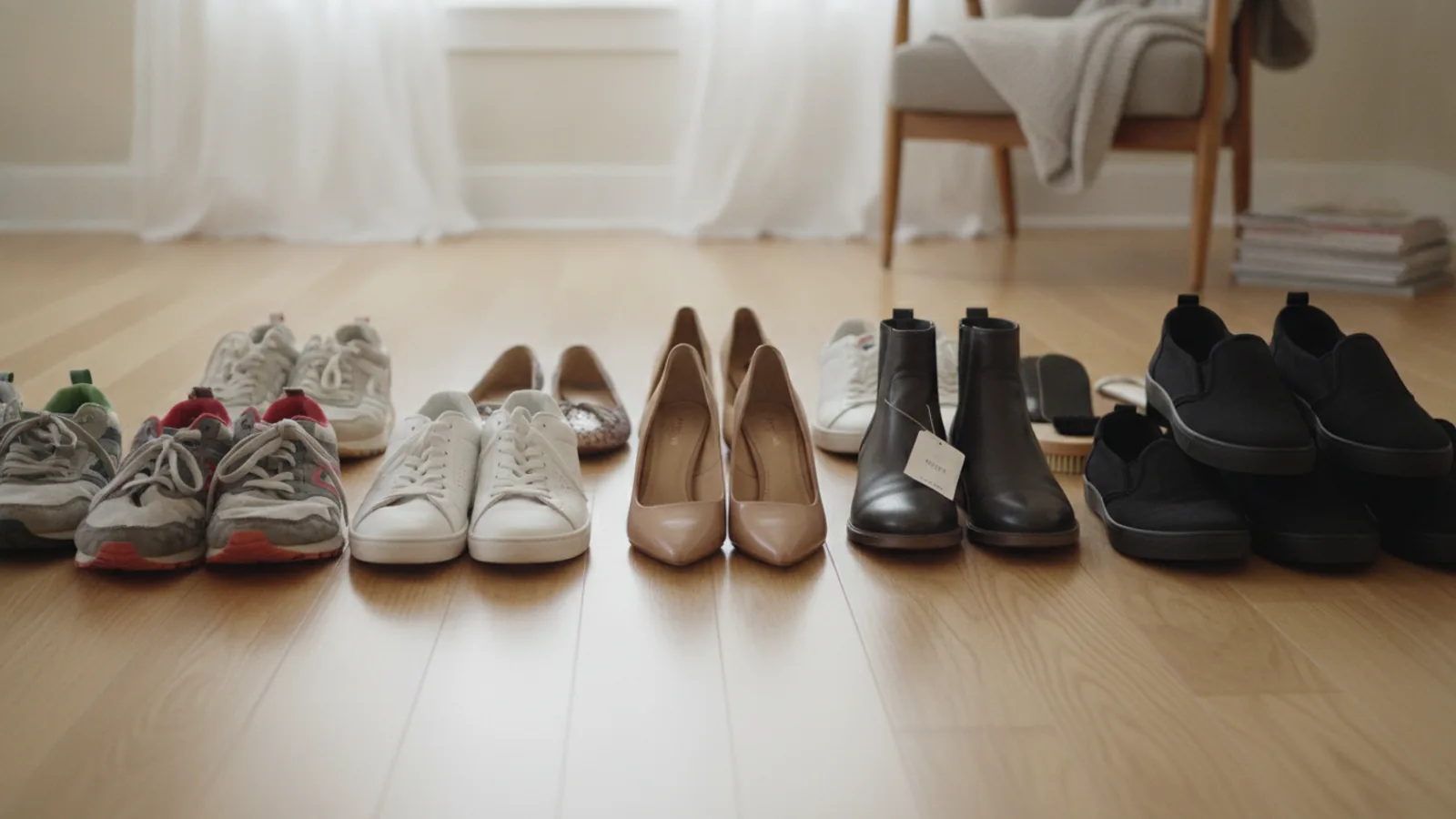
Common Mistakes When Setting Up A Comfortable Everyday Shoe Rotation That Still Feels Put Together
Building a comfortable everyday shoe rotation that still looks put together is about balancing support, style, and practicality. Many people fall into traps like wearing the same pair daily, ignoring wear patterns, or choosing fashion over fit. This guide helps you avoid common mistakes by teaching you how to rotate properly, care for your shoes, and match them to your outfits without sacrificing comfort.
Fast Answer
- Rotate at least two to three pairs of well-fitting shoes that match your daily style, and replace worn-out soles before they cause foot pain.
- Choose shoes with adequate arch support and cushioning for your foot type, and alternate between different styles to reduce repetitive strain.
Before You Start
- Assess your daily activities to determine which types of shoes you need (e.g., walking, standing, casual, dressy).
- Check your current shoes for signs of wear, such as uneven soles, torn lining, or collapsed heels, and note which ones need replacement.
- Measure your feet at the end of the day when they are slightly swollen, using a ruler or Brannock device, to ensure proper sizing.
- Gather a few pairs of socks that you typically wear, because shoe fit can change with sock thickness.
Step-by-Step Instructions
Audit your current shoe collection
Start by pulling out every pair of shoes you own and examining each one carefully. Look for worn-out soles, uneven heel wear, torn linings, or collapsed midsoles. Place each pair on a flat surface and check if they wobble or tilt. Try each shoe on with the socks you normally wear, and walk around to feel for any pinching, sliding, or rubbing. Make a list of which pairs are still in good shape and which are ready for replacement. This audit gives you a clear picture of what you have, so you can build a rotation that covers all your daily needs without wearing shoes that are past their prime. When you know the condition of each pair, you can decide what to keep, what to repair, and what to retire, preventing you from relying on a single pair or wearing broken shoes that cause discomfort.
Choose shoes that fit your foot type
Visit a shoe store in the afternoon and have your feet measured while standing, because feet spread with weight and swell throughout the day. Ask to try on shoes in your measured size, but also try half a size up and down, because different brands and styles vary. Pay attention to the width, especially around the toes, and make sure you have about a thumb’s width of space from your longest toe to the end of the shoe. Walk around the store for at least five minutes to test comfort, and check that your heel does not slip and the arch feels supported. If you have flat feet or high arches, look for shoes with appropriate support or plan to use insoles. Choosing shoes that actually fit your foot shape, rather than the size you assume, prevents blisters, calluses, and long-term foot problems.
Plan a rotation that matches your week
Think about your typical week and list the activities you do on each day, such as commuting, standing at work, running errands, or socializing. Assign a pair of shoes to each day or activity, ensuring that you do not wear the same pair two days in a row. For example, if you work at a desk but walk a lot at lunch, choose a comfortable yet polished pair for those days, and use a more casual pair for weekends. Include at least one pair that is suitable for formal occasions and one that can handle wet weather if needed. By planning ahead, you avoid the last-minute rush of grabbing an unsuitable pair, and you give each shoe time to air out between wears, which reduces odor and wear. This rotation also ensures that you always have a backup if one pair gets wet or damaged.
Break in new shoes gradually
When you bring home a new pair of shoes, do not wear them for a full day immediately. Instead, wear them around your home for an hour each day for the first week, gradually increasing the duration. If you plan to wear them to work or for long walks, start by wearing them for short outings of 30 to 60 minutes. Pay attention to any pressure points or hot spots, and apply moleskin or bandages protectively if needed. If a pair causes blisters or pain even after a week of breaking in, it may not be the right fit, and you should consider returning or exchanging them. Breaking in gradually allows the materials to soften and conform to your feet without causing injury, and it helps you identify problems early before they become serious.
Maintain and clean your shoes regularly
Set a weekly routine to clean your shoes according to their material. For leather, use a soft brush to remove dirt, then wipe with a damp cloth and apply a leather conditioner. For fabric or mesh shoes, spot clean with a mild detergent and water, and let them air dry. After wearing, always remove the insoles and laces if they are dirty, and stuff the shoes with newspaper or shoe trees to help them retain their shape and absorb moisture. Rotate your shoes so that you do not wear the same pair two days in a row, giving them at least 24 hours to dry out completely. Regular maintenance not only keeps your shoes looking sharp but also extends their life, so you can rely on them for longer and avoid the cost of frequent replacements.
Replace shoes when they show wear
Check your shoes every month for signs of wear, such as worn-out tread, cracking soles, or visible compression in the midsoles. Place them on a flat surface and see if they rock or tilt; that means the sole is uneven. Also, press on the heel and toe areas to test if they have lost their firmness. If you notice that you start feeling aches in your feet, knees, or back after wearing a certain pair, that is a strong signal that the shoes no longer provide enough support. As a rule, replace your main shoes every 300 to 500 miles of walking, or every six to twelve months if you wear them daily, but always trust your comfort level. Continuing to wear broken-down shoes leads to poor posture and pain, so it is better to retire them early.
Quick Reference
| Situation | Action | Why it helps |
|---|---|---|
| You realize you have been wearing the same pair of casual sneakers every day for months. | Take those sneakers out of rotation immediately and switch to a different pair, then schedule a weekly rotation plan using a calendar or note. | Daily wear does not allow shoes to dry and recover, causing faster breakdown and increasing the risk of foot strain. |
| You just bought a new pair of dress shoes and need to wear them to a wedding next weekend. | Begin wearing them for short periods around the house now, gradually increasing to a few hours each day, and use thick socks to stretch them gently. | Breaking in gradually prevents blisters and ensures the shoes form to your feet before the event, so you remain comfortable all day. |
| You notice that your feet ache after a day of standing in your favorite loafers, but they look fine. | Replace the insoles with supportive arch supports or switch to a different pair with better cushioning, and evaluate whether the shoes are too flat. | Aching feet indicate that the shoes lack sufficient support, and adding insoles or alternating footwear can relieve pressure and prevent long-term issues. |
Common Issues
- Wearing the same pair of shoes every day causes them to break down quickly and leads to foot odor.: Implement a strict rotation where you alternate between at least three pairs, allowing each pair to air out for 24 hours between wears, and use shoe trees or newspaper to absorb moisture.
- Buying shoes that are too narrow because you like the design, resulting in blisters and cramped toes.: Always have your feet measured and choose wide or extra-wide sizes if needed, and shop with the socks you plan to wear to ensure a proper fit across the width of your forefoot.
- Ignoring signs of wear like uneven soles or collapsed heels, which can cause posture problems and joint pain.: Conduct a monthly check of all your shoes by placing them on a flat surface, inspecting the tread, and feeling for firmness in the heel and midsole, and replace any pair that shows uneven wear or loss of support.
Advanced Tips
- Buy two pairs of the shoe that you wear most often, such as your work shoes, and alternate them every other day to double their lifespan and maintain consistent support.
- Use a shoe rotation app or a simple weekly chart to track which shoes you wear, ensuring you do not overuse one pair and miss out on the benefits of rotation.
- Consider replacing the laces and insoles of your shoes periodically instead of throwing the entire pair away, as fresh laces can improve fit and new insoles can give better arch support.
Final Checklist
- I have examined all my shoes and sorted them into keep, repair, and replace categories.
- I have measured my feet and tried on new shoes with the appropriate socks to ensure a comfortable fit.
- I have created a weekly rotation plan that avoids wearing the same pair two days in a row.
- I have set a monthly reminder to check my shoes for signs of wear and clean them regularly.
FAQ
How many pairs of shoes do I really need for a comfortable rotation?
At least three pairs is a good start: one for daily walking or work, one for casual outings, and one for dressier occasions. If you have specific activities like exercise or hiking, you will need additional pairs. The goal is to have enough variety so you never wear the same pair two days in a row, which allows each pair to dry and recover, and gives you options that match your outfit and activity.
What is the fastest way to break in new shoes without pain?
The fastest safe method is to wear them for short periods at home, gradually increasing the time over a week. You can also use a shoe stretcher spray or a blow dryer on low heat while wearing thick socks, but be careful not to overheat synthetic materials. Never force a shoe that causes sharp pain, as it may simply be the wrong size or shape for your foot.
How do I know when it is time to throw away a pair of shoes?
Look for uneven wear on the soles, a collapsing heel, or a midsole that feels hard and does not spring back when you press it. If you start to feel foot, knee, or back pain after wearing a pair that used to feel fine, that is a clear sign. Typically, you should replace your main walking shoes every 300 to 500 miles, but always trust your comfort and check the condition regularly.