How To Compare Options For A City Break Packing List That Leaves Room For Plans
A practical step-by-step guide to how to compare options for a city-break packing list that leaves room for plans, including preparation, instructions, common issues, tips, and next steps.
How To Compare Options For A City Break Packing List That Leaves Room For Plans
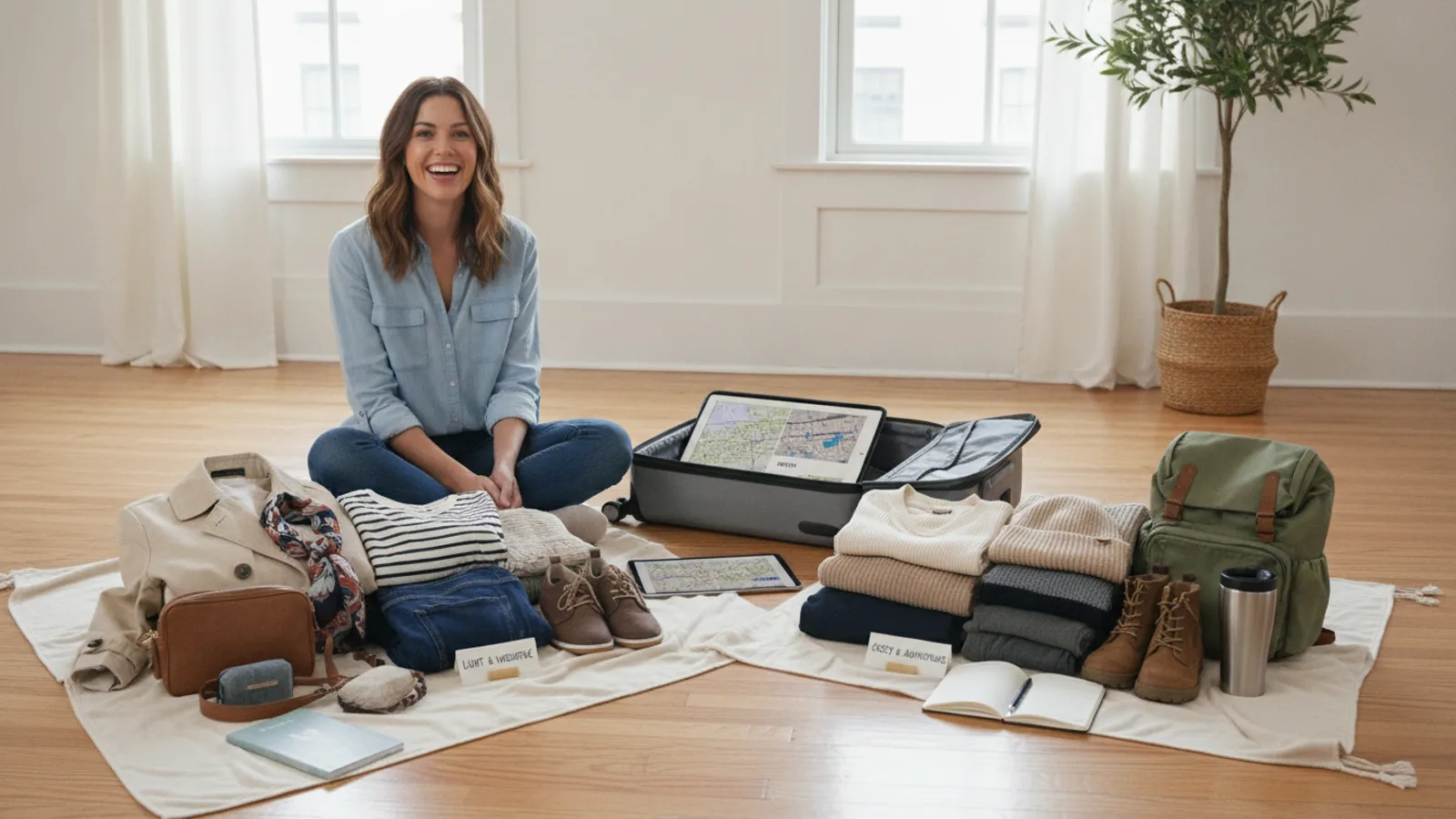
This guide helps you build a city-break packing list that leaves room for unplanned adventures. Instead of overpacking or forgetting essentials, you will learn how to compare packing options based on weather, activities, and weight limits. You will prioritize versatile items, use a capsule wardrobe approach, and pack so you can spontaneously join a walking tour, try a local restaurant, or change your evening plans. The steps include checking your flight's carry-on rules, forecasting weather, choosing multi-purpose gear, and leaving extra space in your bag for souvenirs. You will also get tips for managing laundry, handling unexpected weather, and staying organized without sacrificing flexibility.
Fast Answer
- Start by checking your airline's carry-on size and weight limits, then write down every planned activity. This way, you know the constraints and what you actually need, so you can leave out items that don't serve a purpose.
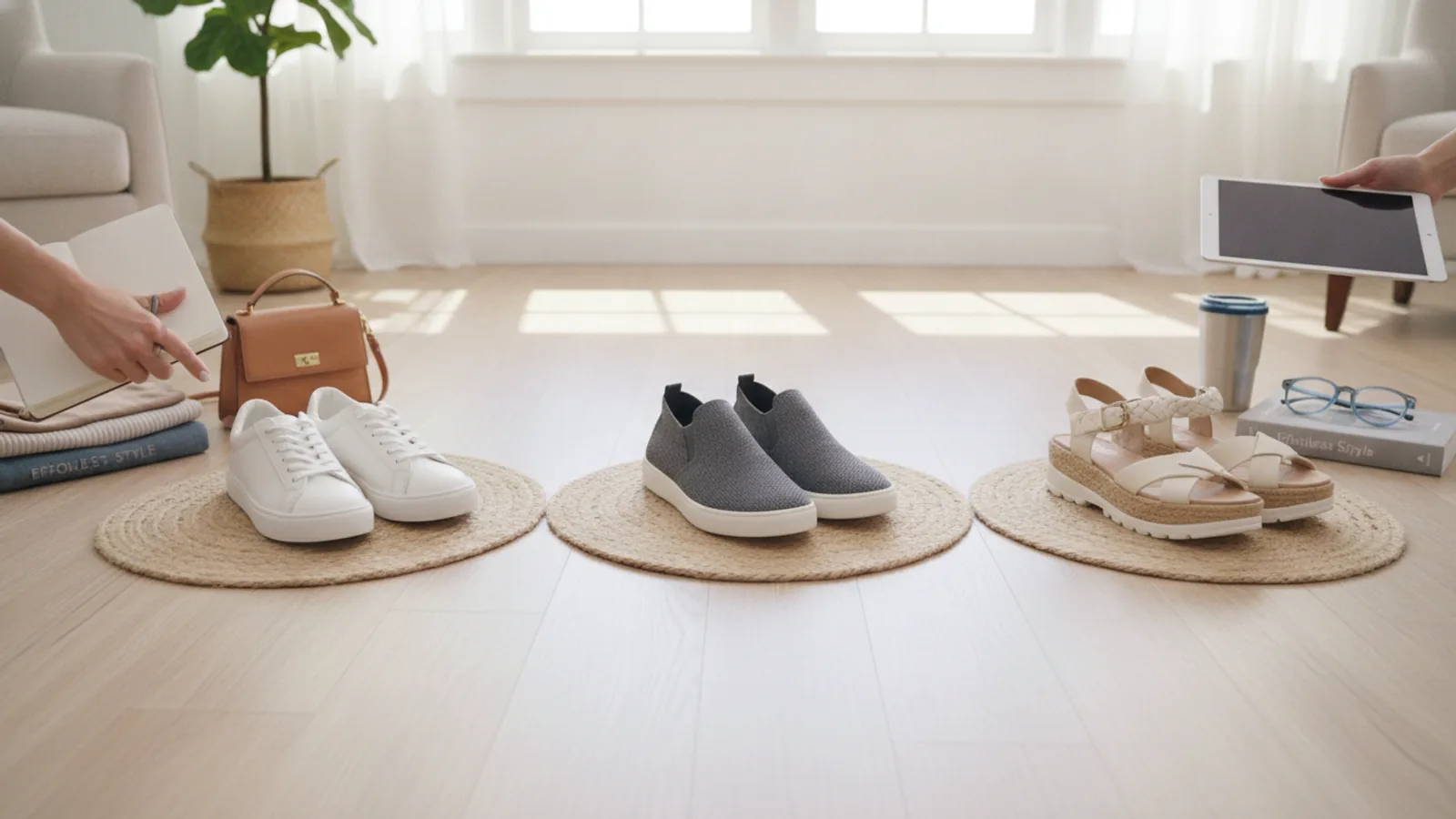
- Use a capsule wardrobe with mix-and-match pieces in neutral colors, and roll your clothes to save space. Pack only three to four pairs of shoes, and include one dressier outfit, one comfortable walking pair, and one pair of sandals or slippers that can work for multiple occasions.
Before You Start
- Check the forecast for your specific dates and city, noting the average high and low temperatures, chance of rain, and any special events like festivals that might affect crowds or dress codes. Write down the expected conditions so you can compare them with your planned activities.
- List every planned activity, from must-see museums and scheduled tours to evening dinners or concerts. For each, note the dress code, duration, and whether you'll need any special gear like a camera, daypack, or comfortable shoes. This list will be your guide for what to pack.
- Review your airline's baggage policy, including carry-on size and weight limits, personal item allowances, and any fees for checked bags. Screenshot the official page so you have the information handy when comparing packing options.
- Decide whether you'll do laundry during your trip. If you plan to wash clothes, you can pack fewer items and reuse outfits. If not, you'll need more t-shirts and underwear. This decision directly affects how much you pack.
Step-by-Step Instructions
Define Your Trip's Core Activities
Write down every planned activity for your city break, including arrival and departure times, museum reservations, dinner plans, and any guided tours. For each activity, note the expected weather, dress code (casual, smart, active), and whether you'll need specific gear like a daypack, swimsuit, or dressy shoes. This list becomes your packing checklist's backbone. For example, if you have a hiking day, you need sturdy shoes and layers; if you have a fancy dinner, you need one semiformal outfit. By comparing each activity with your clothing options, you can eliminate items that don't serve a specific purpose. The check: highlight every activity that requires a unique essential (like a foldable umbrella for a rainy forecast) and ensure your packing list covers it. This matters because you can't afford to overpack when you need room for spontaneous plans, so each item must be justified by at least one planned use.
Check Your Bag's Weight and Size Limits
Consult your airline's website for the exact carry-on dimensions and weight limit, and also measure your bag to ensure it complies. Weigh your empty bag on a luggage scale so you know how much spare weight you have for contents. Compare this with your planned packing list: aim to keep total weight at least 2 kilograms (about 4-5 pounds) under the limit to allow for souvenirs and the fact that you might add a heavy book or sweater during the trip. If your bag is too heavy, you'll need to trim items. A practical check: after packing, weigh your bag again; if it's over the limit, remove the heaviest nonessential items like an extra pair of jeans or a bulky toiletry kit. This matters because many airlines strictly enforce size/weight rules, and a surprise fee can eat into your budget and stress you out.
Forecast Weather and Plan Layers
Look at the daily weather forecast for your city break, noting the expected high and low temperatures, chance of rain, and wind conditions. Base your packing on the most common condition, but include one or two extra pieces for sudden changes. For example, if it's supposed to be warm and sunny, pack a light jacket for evenings and a foldable umbrella for a possible shower. Use a layering system: a base layer (t-shirt or tank), a mid-layer (sweater or cardigan), and a shell (waterproof jacket) that can be added or removed. The practical check: lay out each day's outfit and ensure it can handle a 10-degree temperature swing by adding or removing one layer. This matters because overpacking bulky coats and heavy sweaters is the biggest space waster; layers let you adapt without carrying multiple outfits.
Choose Versatile Footwear
Select your shoes based on the three main activities you'll do: walking tours, nice dinners, and possibly outdoor adventures. For a city break, a comfortable pair of walking shoes (like sneakers or stylish loafers) is non-negotiable because you'll likely walk several kilometers a day. If you have an evening event that requires dress shoes, pack one pair of lightweight flats or men's dress loafers. For warm weather, sandals that can go from day to night are ideal. The practical check: try on each pair with the socks you plan to wear, and walk around your house for at least ten minutes to ensure there are no blisters. Also, weigh each pair and consider that a heavy pair of boots might be better left at home. This matters because shoes take up significant space and weight; limiting yourself to two or three pairs gives you more packing freedom.
Prioritize Toiletries and Electronics
Decide which toiletries are essential: for a city break, you can usually rely on hotel-provided soap, shampoo, and hairdryers. Pack a travel-size toothbrush, toothpaste, deodorant, and any medications, plus a small container of face wash or moisturizer. Instead of full-size bottles, use travel containers that meet liquid restrictions. For electronics, bring only what you'll truly use: a smartphone, charger, and perhaps a compact power bank; a laptop is rarely needed on a city break. The practical check: lay out all toiletries and electronics and ask yourself if you'll use each item at least twice during the trip. If not, leave it. This matters because toiletries and electronics are the easiest to over-pack; they add weight and take up small but valuable space, and you often end up not using half of them.
Leave Empty Space for Souvenirs
After packing, take everything out and repack more efficiently, using packing cubes or rolling clothes to maximize space. Then, leave at least a quarter of your main bag's volume empty. This empty space is your buffer for spontaneous purchases, such as a local craft, a scarf from a street market, or a nice bottle of wine. If you're worried about space, pack a foldable tote bag that can serve as a shopping bag and double as a beach or picnic bag. The practical check: after final packing, close the bag and see if you can easily fit a rolled-up sweatshirt into the remaining space. If not, remove a few less-essential items. This matters because leaving intentional room means you never have to stress about buying something memorable, and it discourages overpacking from the start.
Quick Reference
| Situation | Action | Why it helps |
|---|---|---|
| You are packing for a 3-day trip with both a business meeting and a walking tour. | Choose one versatile outfit (like dark jeans and a blazer) that works for both, plus a separate comfortable pair of shoes for walking. | This saves space and weight, allowing you to leave behind an extra set of clothes and focus on comfort during the walking tour. |
| The forecast says 80% chance of rain on the day you plan to explore the old town. | Pack a compact umbrella or a lightweight waterproof shell jacket, and wear quick-drying shoes if possible. | Being prepared for rain keeps you comfortable and doesn't take up much space, so you can still enjoy your plans without buying expensive emergency gear. |
| You are packing for a weekend city break and want to go out for a nice dinner but also want to visit a museum. | Pack one smart-casual outfit (e.g., dark shirt and clean jeans) that can transition from afternoon sightseeing to evening dining with just a change of accessories. | This avoids bringing a separate formal outfit, freeing up space for souvenirs and minimizing the risk of overpacking. |
Common Issues
- Overpacking because you worry about unexpected weather or lack of laundry options.: Stick to a color palette that mixes and matches, and choose quick-dry fabrics that you can hand-wash in a sink. If hand-washing is possible, you only need half the clothes. Also, check if your accommodation offers laundry services or if there's a nearby laundromat.
- Bringing too many shoes that are heavy and bulky, leaving little room in your bag.: Limit yourself to two to three pairs of shoes: one comfortable walking shoe, one versatile pair for dressing up, and one optional pair like sandals if weather allows. Wearing the heaviest pair on the plane saves space and weight.
- Not checking airline regulations and having to pay a fee at the gate because your bag is too heavy.: Weigh your bag at home before leaving, using a portable luggage scale. Compare the weight to the airline's limit, and if it's close, remove a few non-essential items like a notebook or extra charger. Always double-check the airline's website for updates.
Advanced Tips
- Use the 'rule of three' when comparing items: if you're unsure whether to pack an item, ask yourself if it can be used in at least three different ways or occasions. This quickly filters out single-use items.
- Invest in packing cubes in different colors: one for clean clothes, one for dirty laundry, and one for electronics. This keeps your bag organized and makes it easy to find items without unpacking.
- Before leaving, scan your passport, ID, and credit cards into your phone or email. If you lose your wallet, you have digital backups that can help you get emergency replacements.
Final Checklist
- Review your planned activities and highlight any that have dress codes, then pack at least one outfit that meets those requirements.
- Weigh your empty bag and then your packed bag to ensure you're under the airline's limit, with at least 2kg spare.
- Roll all clothes and place heavy items at the bottom of the bag, keeping fragile items in the middle.
- Leave one packing cube empty for souvenirs or use a foldable tote bag as a backup option.
FAQ
How can I leave room for spontaneous plans without being underprepared?
Focus on versatile items that can fulfill multiple purposes. For example, wear a scarf that can double as a blanket on a cool evening or use a light jacket that works for both daytime sightseeing and a nice dinner. Instead of packing different outfits for each day, create a capsule wardrobe with mix-and-match pieces. Leave visible empty space in your bag, and always carry a small daypack for unplanned adventures. You can also use your phone to look up nearby stores if you need a specific item, so you don't have to pre-pack everything.
What is the best way to pack for changing weather during a city break?
Layering is key. Pack a base layer (like a cotton t-shirt or a synthetic athletic shirt), a mid-layer (such as a fleece or a cardigan), and a water-resistant outer layer (like a trench coat or a packable rain jacket). Check the daily forecast and pack clothes that can be easily added or removed. For example, if the temperature is 15°C (59°F) in the morning but 25°C (77°F) in the afternoon, you can start with a sweater and take it off later. This approach allows you to adapt to temperature swings without carrying bulky jackets.
How do I avoid overpacking toiletries and electronics that are rarely used?
Make a list of your daily routine and identify only the essentials: toothbrush, toothpaste, deodorant, medications, and a basic skincare product. Use travel-sized containers and fill them with your regular products. For electronics, ask yourself if you'll use each device every day; if not, leave it at home. A smartphone covers most needs, so a tablet or laptop is unnecessary for a short city break. Also, check if your hotel provides a hairdryer and shampoo – you can skip those items.