How To Compare Options For A Comfortable Everyday Shoe Rotation That Still Feels Put Together
A practical step-by-step guide to how to compare options for a comfortable everyday shoe rotation that still feels put together, including preparation, instructions, common issues, tips, and next steps.
How To Compare Options For A Comfortable Everyday Shoe Rotation That Still Feels Put Together
Building a comfortable everyday shoe rotation that still looks put together means balancing support, style, and practicality so your feet stay happy from morning errands to evening plans. This guide walks you through comparing options based on fit, cushioning, versatility, and maintenance, helping you create a small collection of shoes that work for various occasions without sacrificing your polished appearance. You will learn how to identify your foot needs, evaluate key features, test shoes properly, and rotate them sensibly, all while keeping your outfits cohesive. By the end, you will have a clear process to choose shoes that feel great and look intentional, avoiding common mistakes like buying identical styles or ignoring wear patterns.
Fast Answer
- Start by assessing your foot type and daily activities, then look for shoes with removable insoles, moderate cushioning, and a versatile color like neutral leather or suede that pairs with jeans and chinos.
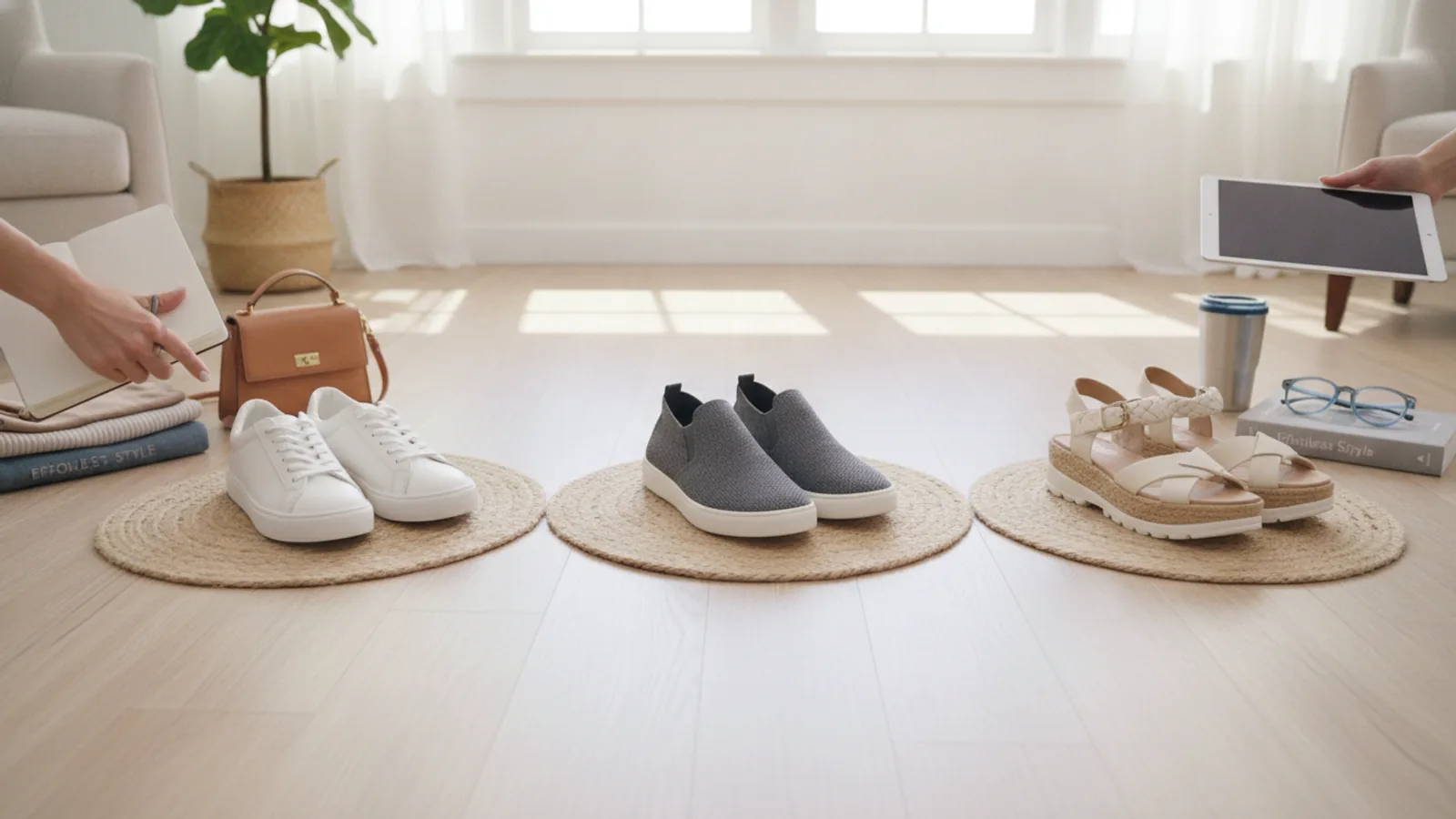
- Buy two to three pairs with different silhouettes, such as one minimalist sneaker, one casual loafer or derby, and one comfortable boot, and rotate them daily to let them air out and reduce odor.
Before You Start
- Trace your foot on paper and measure the length and width to know your true size, as sizes vary between brands and styles; do this in the evening when feet are slightly swollen.
- List your typical week: how many hours you stand or walk, whether you commute, and the dress code at work, because this determines how much cushioning and support you need.
- Check the flexibility of your current shoes by bending the toe upward; if they resist or crease sharply, you may need more flexible outsoles or better arch support.
- Decide on a color palette for your wardrobe, such as earth tones or navy, so the shoes you choose will match most outfits without clashing.
Step-by-Step Instructions
Assess Your Foot Shape and Gait
Start by understanding your foot's natural characteristics because they directly affect which shoe features will work for you. Stand barefoot on a piece of paper and trace both feet, then measure the length from heel to longest toe and the width across the ball. Notice if you have a high arch, flat feet, or neutral alignment by checking the wet footprint test: wet your foot and step on a surface, then look at the indentation. High arches show a narrow band, flat feet show almost no curve, and neutral shows a moderate curve. Also, examine the soles of your old shoes for uneven wear patterns; if the outer heel is worn, you may supinate, while inner wear suggests overpronation. This information helps you choose between neutral cushioning, stability, or motion-control shoes. For example, if you overpronate, you need a shoe with firmer medial support. Take note of any specific pain areas like bunions or heel pain, as these require a wider toe box or extra heel cushioning. Write down your foot type and any issues, as you will refer to this when comparing options.
Identify Your Daily Rotation Needs
Think about your typical week and list the different activities you do, including walking to work, standing at a desk, running errands, or attending casual gatherings. Count the hours you are on your feet and whether the surfaces are hard like concrete or softer like carpet. This determines the level of cushioning and support you need; for example, long hours on hard floors call for more responsive foam and a rocker sole to reduce fatigue. Also, consider your style context: what clothes do you wear most often? If you primarily wear jeans and chinos, you can choose sneakers, loafers, or minimalist boots. If you wear dress trousers, you might need a sleek derby or a polished sneaker that does not look too sporty. Make a list of three or four occasions you need to cover, such as work, weekend outings, and evening dinners. Then, decide how many shoes you want in your rotation; a good starting point is two or three pairs to allow rotation. This step is crucial because it prevents you from buying duplicate styles that serve the same purpose, wasting money and closet space.
Evaluate Cushioning and Support Features
When comparing shoes, look at the midsole cushioning and the insole quality. Press the heel and forefoot to see if the foam rebounds slowly or springs back quickly; a firmer feel often means better stability for long standing, while a plush feel is comfortable for walking. Check if the insole is removable; if it is, you can replace it with custom orthotics if needed. Look for a shoe with a contoured footbed that cradles your arch; this reduces strain on the plantar fascia. Also, examine the heel counter—the cup around the heel—by squeezing it; it should be firm enough to hold your heel in place but not rigid. The outsole should have some flex at the ball of the foot but not twist excessively in the middle; try bending the shoe to see where it gives. For support, consider the drop (the height difference from heel to toe); a drop of 8 to 12 millimeters suits most people, but if you have Achilles issues, a lower drop may help. Finally, check the width: your toes should splay naturally without hitting the side. This evaluation ensures you choose a shoe that functions well for your specific body.
Test Fit and Comfort in Real Conditions
The most accurate test is trying shoes on at the end of the day when your feet are slightly larger. Wear the same type of socks you plan to use, such as thin or cushiony pairs. Walk around the store for at least five minutes on different surfaces, including a hard floor and a slight incline if possible. Pay attention to any pinching, slipping, or pressure points. Your heel should not lift more than a quarter inch when you walk, and there should be about a thumb's width of space from the end of your longest toe to the shoe's front. If you are shopping online, order two sizes and keep the one that fits better; use a Brannock device at a store to confirm your size. Also, check the toe box: your toes should be able to wiggle freely. Do not expect shoes to stretch much; leather will stretch a little, but synthetic materials do not give significantly. If a shoe feels tight in width, try a wide size or a different brand. Remember that comfort in the store may not reflect long-term wear, so choose shoes that feel right immediately rather than hoping they will break in.
Match Shoe Style to Your Wardrobe Palette
To feel put together, your shoes should complement your existing clothes. Choose neutral colors like tan, brown, dark gray, or black that go with most pants and jackets. Avoid bright whites or bold patterns unless they are part of your signature style. Also, consider the material: smooth leather looks dressier, while suede offers a softer, more casual feel. A minimalist white sneaker can be surprisingly versatile, but it may not suit more formal settings; a leather derby shoe blurs the line between casual and dressy. Look at your typical outfits and see which shoe silhouettes would create a coherent look. For instance, if you often wear straight-leg jeans, a chunky sneaker might overwhelm them, while a low-profile shoe works better. If you wear shorts in summer, a suede loafer or canvas sneaker might be appropriate. Use a color wheel or just lay out your clothes and envision each shoe with them. Having shoes that match your palette makes it easier to grab a pair without stressing over coordination.
Plan Rotation and Maintenance Routine
A rotation only works if you actually alternate shoes and care for them. Decide which days you will wear each pair, avoiding wearing the same pair two days in a row so they can dry out and recover their cushioning. For example, if you have a sneaker, a loafer, and a boot, rotate them based on weather and activities. On rainy days, save suede shoes for dry conditions. Establish a simple maintenance routine: after each wear, use a soft brush to remove dirt, and place them with shoe trees to absorb moisture and maintain shape. Clean leather with a damp cloth and conditioner periodically, and protect suede with a spray. Do not machine wash shoes unless the manufacturer instructs; this can ruin adhesives. Check soles monthly for uneven wear, and replace insoles if they flatten. When not in use, store shoes in a cool, dry place away from direct sunlight. This routine extends the life of your shoes and keeps them looking polished, so you always feel put together.
Quick Reference
| Situation | Action | Why it helps |
|---|---|---|
| Your new shoes start rubbing your heel after a few hours | Stop wearing them immediately and apply a moleskin or blister pad to the affected area, then relace your shoes using the extra eyelet to secure your heel better. | Addressing friction early prevents blisters and allows you to assess whether the shoe truly fits or if you need a different size or style. |
| You are about to buy a second pair of sneakers that looks similar to one you already own | Put the new sneaker next to your current pair and compare the color, toe shape, and height; if they are nearly identical, choose a different silhouette such as a loafer or a boot instead. | Having variety in your rotation gives you more outfit options and reduces the chance that one style dominates your look or becomes worn out faster. |
| Your feet feel tired by the end of the day even though your shoes have good cushioning | Inspect the insoles and consider replacing them with high-quality arch-support insoles, and also check if you are wearing the same shoes every day; alternate with another pair. | Worn insoles lose responsiveness, and daily wear compresses foam; fresh insoles and a different shoe can provide renewed support and reduce fatigue. |
Common Issues
- Shoes feel comfortable at the store but later cause pinching on the sides: Choose a wide width or a brand that offers different widths; also, look for shoes with a stretchable upper or a lacing system that allows you to adjust the fit around the midfoot.
- Your rotation lacks a dressy option, so you feel underdressed for dinners or events: Add a simple leather derby or a minimalist Chelsea boot in a dark shade; these can be dressed up with trousers or dressed down with jeans, filling the gap between athletic and formal.
- Shoes develop an odor because you wear them without socks or do not rotate enough: Always wear moisture-wicking socks, and allow each pair to rest for at least 24 hours between wears; use shoe trees and sprinkle baking soda inside overnight to absorb moisture and neutralize odors.
Advanced Tips
- Consider replacing the stock insole with a custom orthotic if you have a specific arch need; this can transform a moderately comfortable shoe into one that feels tailor-made.
- Pay attention to the last (the mold the shoe is built on); different lasts create different fits, so try multiple models from the same brand to find your most consistent size and shape.
- Create a 'shoe capsule' by choosing three shoes that all share a similar color family but differ in formality, so you can mix and match with any outfit without second-guessing.
Final Checklist
- You have measured both feet and know your size and width, including any differences between left and right.
- You have a written list of daily activities and matched each with a shoe type, avoiding duplicates.
- You have tested each candidate shoe by walking for at least five minutes, checking heel grip, toe room, and arch support.
- Your chosen shoes all coordinate with your wardrobe's main colors and are suited to your typical weather conditions.
FAQ
How many shoes do I actually need for a rotation that feels put together?
For most people, three well-chosen pairs are sufficient: one casual sneaker, one versatile leather shoe like a derby or loafer, and one pair of boots or weatherproof shoes for colder or wetter days. This covers a wide range of occasions while giving your shoes rest days to extend their lifespan. You can start with just two if your lifestyle is simple, but three gives more outfit flexibility and ensures you always have a clean pair ready.
What is the best way to break in a new pair of shoes without getting blisters?
Wear new shoes around the house for short periods, gradually increasing to an hour each day. Use thick socks and cover any potential friction points with moleskin or bandages before wearing. If the shoes are leather, you can apply a leather conditioner to soften the material. Never do a long walk on the first wear; give your feet time to adjust and watch for any persistent hot spots that signal a bad fit.
How do I know if a shoe has enough arch support for my flat feet?
Look for a shoe with a firm insole that has a visible arch contour, or check if the manufacturer advertises stability features. You can also perform a simple test: remove the insole and press your thumb into the arch area—the material should resist rather than collapse completely. If you have markedly flat feet, consider buying a shoe with a removable insole so you can replace it with a higher-arch orthotic. Trying on shoes and feeling for even weight distribution is key.