How To Compare Options For A Thoughtful Housewarming Gift That Will Actually Be Used
A practical step-by-step guide to how to compare options for a thoughtful housewarming gift that will actually be used, including preparation, instructions, common issues, tips, and next steps.

How To Compare Options For A Thoughtful Housewarming Gift That Will Actually Be Used
Choosing a housewarming gift that will be used rather than stored away requires thinking about the recipient's daily routines, space constraints, and personal taste. This guide offers a structured approach to compare options by considering practicality, quality, and emotional resonance. You'll learn how to observe clues about the recipient's lifestyle, evaluate gift longevity, and avoid common pitfalls like duplicate items or impersonal gadgets. The steps walk you through generating ideas, filtering them based on usefulness, comparing shortlisted items, and making the final choice with confidence. By the end, you'll have a thoughtful gift that shows you care and adds value to their new home.
Fast Answer
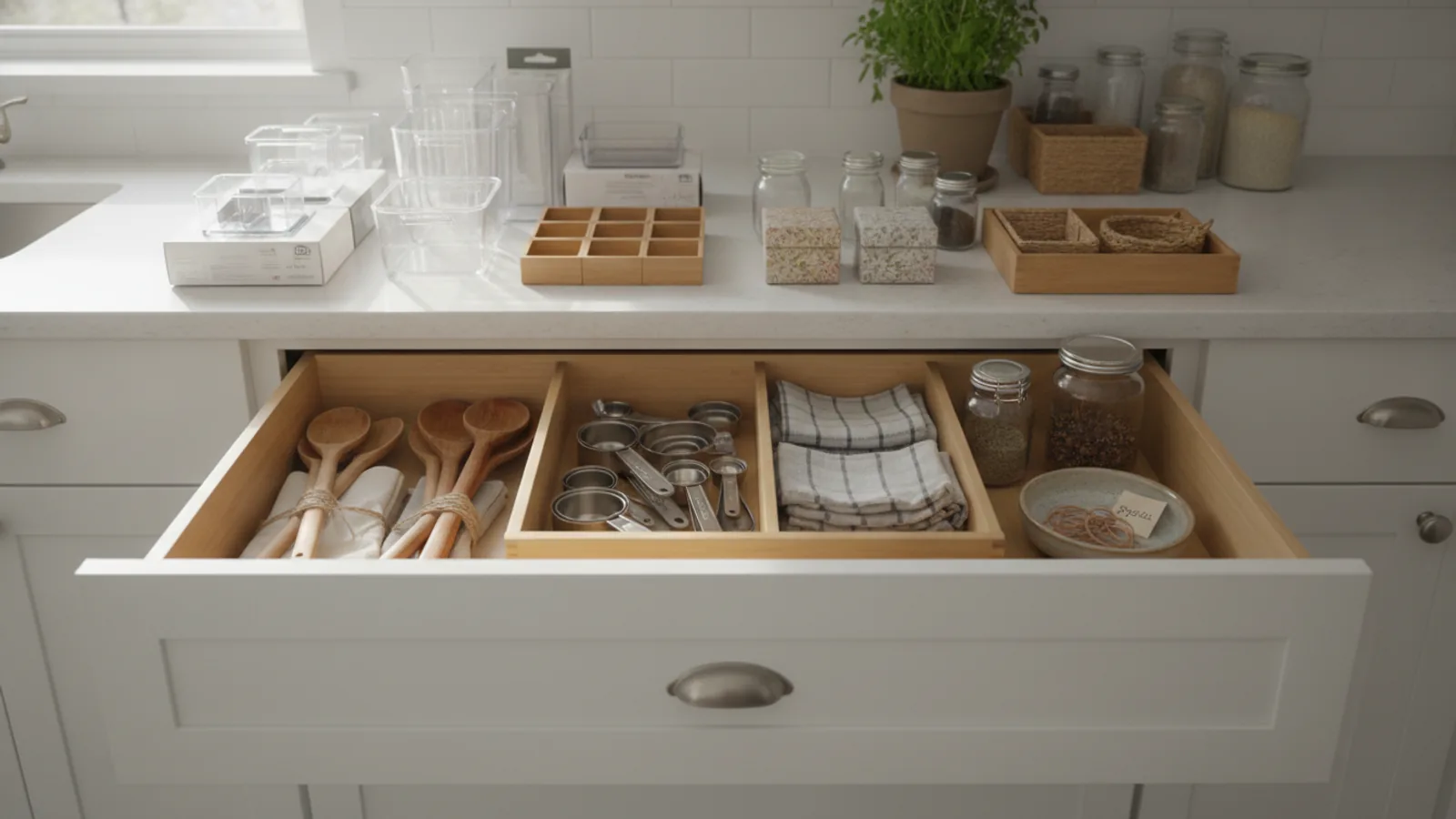
- Focus on items that solve a specific daily problem, such as a high-quality kitchen tool, a stylish entryway organizer, or a cozy throw that matches their decor. Observe their current living space for clues about what they lack or would appreciate.
- Check if the recipient has recently moved from a smaller space, as they may need space-saving solutions or items that fill a larger area. Ask friends or family for hints, and prioritize gifts that are consumable, like gourmet coffee or candles, which are less likely to be returned.
Before You Start
- Pay attention to the recipient's hobbies, cooking habits, and entertainment style during previous visits. Note if they enjoy hosting, gardening, or gaming, as these clues can guide your gift selection toward something they'll use regularly.
- Look at the new home's existing color scheme, decor theme, and available storage space. A gift that complements the aesthetic or fits into a specific corner will be more appreciated than a generic item that clashes.
- Consider the recipient's lifestyle constraints, such as whether they have pets, children, or limited counter space. This helps you avoid gifts that are impractical, like a delicate vase if they have toddlers or a bulky appliance if their kitchen is tiny.
- Ask mutual friends or family members for suggestions, but phrase your questions to avoid revealing the gift. For instance, ask what the recipient has mentioned needing recently, or what they seem excited about in their new home.
Step-by-Step Instructions
Identify Practical Needs and Lifestyle Clues
Begin by thinking about the recipient's daily routines and what they might miss in a new home. For example, if they love cooking but their new kitchen lacks a good knife, a high-quality chef's knife could be a game-changer. Observe their current living situation: do they have a dedicated workspace, a balcony for plants, or a pet that sheds? These observations reveal needs they may not voice. Ask yourself questions like: What do they use daily? What do they complain about? What would make their life easier or more enjoyable? Write down at least five potential needs or wants. This step is crucial because a gift that addresses a specific pain point is more likely to be used repeatedly, whereas a generic item like a candle or a picture frame might be appreciated but not essential. Take your time to reflect on past conversations and visits to gather clues. If you're unsure, ask a close friend or family member for their insights. The goal is to have a clear picture of the recipient's lifestyle before you start comparing options.
Brainstorm Gift Categories That Solve Problems
Now that you have a list of needs, brainstorm gift categories that could fulfill them. For example, if the recipient struggles with clutter, consider storage solutions like decorative baskets, a wall-mounted key rack, or a stylish entryway bench with shoe storage. If they love entertaining, think about serving platters, a cheese board, or a cocktail shaker. If they are into wellness, a weighted blanket or a diffuser might be appropriate. The key is to generate a wide range of ideas, from functional to decorative, and note which ones are more likely to be used regularly. Write down at least ten ideas, even if some seem far-fetched; this expands your options. For each idea, jot down why it might be useful and how often the recipient would use it. This step ensures you have plenty of material to filter later. Avoid settling on the first idea that comes to mind; a thorough brainstorm increases your chances of finding a truly thoughtful gift.
Evaluate Each Gift for Practicality and Fit
Take your brainstormed list and evaluate each option based on three criteria: practicality, fit with the recipient's space, and likelihood of use. Practicality means the gift serves a clear function and is not merely decorative. Fit with space involves considering the recipient's home dimensions, layout, and style. For instance, a large espresso machine may be impractical for a tiny kitchen, and a modern sculpture may clash with a rustic decor. Likelihood of use can be estimated by thinking about the recipient's habits: Do they actually cook often? Do they entertain regularly? Do they have a place to display the item? Score each gift from one to ten on these criteria. Eliminate any gift that scores below seven on any criterion. This filtering process helps you narrow down to the most promising candidates. It's a crucial step because it forces you to think critically about whether the gift will truly be used, not just appreciated as a gesture.
Compare Shortlisted Gifts on Quality and Longevity
Once you have a shortlist of three to five gifts, compare them on quality and longevity. Look for materials that are durable, such as stainless steel, solid wood, or high-thread-count cotton. Avoid flimsy plastic or thin materials that may break or wear out quickly. Consider whether the gift is timeless or trendy; a classic design will remain useful for years, whereas a trendy gadget may become obsolete. Also assess maintenance: if the gift requires special care, like hand-washing or polishing, is the recipient likely to bother? For each gift, research (or use your knowledge) to understand its typical lifespan and warranty. The goal is to choose an item that will not only be used but also last. A high-quality version of a common item, like a cast-iron skillet, can serve for decades, while a cheap version may be discarded in months. This comparison ensures your gift provides lasting value.
Consider the Recipient's Taste and Personal Style
Even the most practical gift will be unused if it clashes with the recipient's taste. Review your shortlist and assess each item against what you know about their style. Do they prefer minimalist, rustic, modern, or eclectic aesthetics? Would they appreciate a bold color, or do they stick to neutrals? Consider their existing home decor and personal accessories for clues. If they have displayed colorful art or vintage items, they may prefer a gift with character over a sleek modern piece. Also think about their personality: are they pragmatic and value function over form, or do they enjoy luxury and indulgence? A pragmatic person might prefer a high-quality tool, while a sentimental person might cherish a personalized item. If you're unsure, opt for a gift that is neutral in style and can easily fit into various settings. This step is vital because a gift that is the right style is more likely to be proudly displayed and used.
Make the Final Choice with Confidence and a Backup Plan
After evaluating practicality, fit, quality, longevity, and taste, you should have a clear winner. Before finalizing, check the return policy of the store where you plan to buy, so the recipient has flexibility if they already own something similar. If the gift is highly specific, like a specialty tool, consider including a gift receipt to ease any concerns. Additionally, think about the presentation: a thoughtful note can enhance the gift's meaning, but don't overdo it with excessive packaging. Once you've made the purchase, wrap it neatly and deliver it with a warm personal message explaining why you chose this particular item. This last step solidifies your thoughtfulness and ensures the gift is well-received. If you have any lingering doubts, revisit your shortlist and choose the second-best option that still meets your criteria. The goal is to give a gift you are proud of and the recipient will genuinely use.
Quick Reference
| Situation | Action | Why it helps |
|---|---|---|
| The recipient is an avid cook but has a small kitchen with limited counter space. | Choose a compact, multipurpose tool like a high-quality chef's knife or a collapsible colander, and avoid large appliances that take up space. | A small kitchen demands space-saving solutions, and a versatile tool will be used daily without adding clutter. |
| The recipient recently moved into a place with a specific decor theme, like minimalist or farmhouse. | Pick a gift that matches the theme, such as a sleek ceramic vase for minimalist spaces or a rustic wooden serving board for farmhouse styles. | A gift that complements the existing decor integrates seamlessly into the home and is more likely to be displayed and used. |
| You are unsure of the recipient's taste or already suspect they have many similar items. | Opt for a consumable gift like a gourmet gift basket, premium coffee beans, or a subscription to a monthly snack box that can be enjoyed and doesn't require permanent storage. | Consumable gifts are always useful, avoid the risk of duplicates, and provide an experience rather than adding physical clutter. |
Common Issues
- The gift is too generic, such as a candle or a picture frame, and ends up regifted or stored away.: Focus on gifts that solve a specific need or align with the recipient's hobby. Observe their daily habits and ask for clues to find something they'll actually use.
- The gift is the wrong size or style for the recipient's home, leading to it being returned or exiled to a closet.: Before buying, measure available spaces and consider the decor. If you're unsure, choose a versatile item that can fit various settings, like a neutral-colored throw blanket or a sturdy cutting board.
- The recipient already owns the item you picked, resulting in an awkward exchange or silent disappointment.: Perform a quick check by asking a friend or family member if they've seen something similar in the recipient's home. Alternatively, choose a gift with a generous return policy and include a gift receipt.
Advanced Tips
- Consider the 'experience' gift if the recipient values memories over objects—like a cooking class or a wine tasting—but ensure it's something they'd actually enjoy and can attend.
- Think about the gift's 'daily wow factor': an item that brings a small joy every time it's used, such as a beautifully designed coffee mug or a soft throw that invites relaxation.
- If you're still torn, choose a gift that can be personalized, like a cutting board with a custom engraving, but only if you know the recipient's taste well enough to avoid a mismatch.
Final Checklist
- The gift addresses a specific need or interest the recipient has expressed, not just a general idea.
- The gift's size and style fit the recipient's home space and decor without requiring major adjustments.
- The gift is made from durable, quality materials and is likely to last for years with regular use.
- The gift has a flexible return policy or gift receipt, and you've included a warm, handwritten note explaining why you chose it.
FAQ
What if I don't know the recipient's taste well?
If you're unsure about the recipient's taste, focus on gifts that are universally practical and neutral in design, such as a high-quality kitchen scale, a set of premium dish towels, or a simple but elegant vase. You can also ask close friends or family for hints without revealing your plans. Another option is to choose a consumable gift, like a gourmet coffee or a cheese selection, which is less dependent on personal style and always appreciated.
How do I avoid buying something they already have?
The best way to avoid duplicates is to do your research: observe their existing items when you visit, ask mutual friends or family if they know, or even casually ask the recipient about their favorite tools or decorations. If you're still unsure, choose a gift that is less common, like a personalized item or a specialized gadget, or go with a consumable that can be used up regardless. Always include a gift receipt so they can easily exchange it if needed.
Is it better to buy something practical or something decorative?
A gift that combines practicality with a pleasing design is usually ideal, as it serves a function and looks good. However, if you have to choose, prioritize practicality because a useful item is more likely to be used daily, while a purely decorative piece might be set aside if it doesn't fit their aesthetic. Think about the recipient's personality: a pragmatic person would appreciate a high-quality tool, while a person who loves aesthetics might prefer a beautiful yet useful object like a designer clock or a decorative bowl.