How To Plan A Thoughtful Housewarming Gift That Will Actually Be Used
A practical step-by-step guide to how to plan a thoughtful housewarming gift that will actually be used, including preparation, instructions, common issues, tips, and next steps.

How To Plan A Thoughtful Housewarming Gift That Will Actually Be Used
A thoughtful housewarming gift goes beyond the expected bottle of wine or store-bought candle. The goal is to choose something the new homeowner will genuinely use and appreciate in their daily life. This guide walks you through a step-by-step process to plan a gift that is personal, practical, and memorable—by observing their lifestyle, identifying real needs, considering their home's style, and presenting it in a way that feels warm and intentional. You'll learn how to avoid common missteps, think about long-term usefulness, and wrap up your plan with a checklist that ensures you haven't missed anything important. Whether you're shopping for a close friend or a distant relative, this guide helps you give a gift that truly feels like a home.
Fast Answer
- Start by observing their daily routines and asking subtle questions about what they need or have been putting off buying for their new space.
- Choose a gift that fits their lifestyle and home's aesthetic, such as quality kitchen tools, cozy textiles, or a functional organizer, and present it with a handwritten note.
Before You Start
- Take note of their cooking habits, entertainment style, and any hobbies they've mentioned, so you can tailor the gift to their interests.
- Consider the layout and size of their new home, including kitchen counter space, closet depth, and entryway storage, to choose an item that fits physically.
- Ask them directly or through a mutual friend if there is a specific item they've been eyeing but haven't bought for themselves, like a slow cooker or a cordless vacuum.
- Think about the season and the timing of their move, as a cozy throw or a set of warm mugs might be appreciated in autumn, while a grill tool set suits summer.
Step-by-Step Instructions
Observe Their Lifestyle and Routines
Before you even think about what to buy, spend some time genuinely observing how the person lives. If you're close enough, visit their new place for a meal or a casual get-together, and pay attention to what they use, what seems missing, and what they complain about. Notice if they cook elaborate dinners or rely on takeout, if they're always hosting friends or prefer quiet nights in, and if they have pets or kids that dictate their cleaning habits. This isn't about being nosy; it's about gathering clues that point to real, practical needs. For example, a friend who loves to bake but just moved into a kitchen with no counter space might appreciate a collapsible cooling rack more than a fancy mixer. Similarly, a couple who works from home might need a better desk lamp or a comfortable seat cushion. Write down your observations, and think about what would genuinely lighten their load or brighten their day. This step sets the foundation for a gift that feels thoughtful because it's based on their actual life, not a generic assumption.
Ask Subtle Questions to Confirm Needs
While you don't want to interrogate them, asking a few well-placed, subtle questions can confirm what you've observed and reveal even more specific needs. You might ask, 'What's the one thing you've been meaning to buy for the new place but haven't gotten around to?' or 'Is there anything in your old apartment that you're glad to leave behind?' These open-ended questions invite them to share their wish list without feeling pressured. They might mention that their previous trash can was too small, or that they've always wanted a proper tool set but never bought one. People are often pleasantly surprised that you're interested enough to ask, and their answers give you a direct target. You can also ask about their home's quirks, like 'Does the kitchen get enough light?' or 'Is there any space that feels awkward to use?' Such questions can uncover needs like a motion-sensor light for a dark hallway or a corner shelf for an odd nook. Remember to listen more than you talk, and take mental notes. This step turns guesswork into a targeted plan, ensuring your gift is not only appreciated but also used.
Match the Gift to the Home's Style and Size
A gift that is perfect in concept but clashes with their décor or is too large for their space will likely go unused. Start by considering the architectural style of their home—whether it's a sleek modern apartment, a cozy cottage, or a traditional family house—and choose items that complement that aesthetic. For instance, a minimalist home might benefit from a simple, high-quality wooden cutting board, while a rustic farmhouse-style kitchen could welcome a cast-iron skillet. Also, think about proportions: if they live in a small apartment, a bulky air fryer might dominate the counter, so a compact toaster oven or a stackable storage set might be more practical. If they have a large house with a long entryway, a substantial bench with shoe storage could be a hit. Look at the color palette they've used in their furniture and walls, and select a gift that fits within that scheme. You can also check the dimensions of doorways, under-sink cabinets, or closet rods to ensure the item will fit. This might sound meticulous, but it shows that you care about their comfort and the harmony of their home, which is a true gift.
Choose Functionality That Suits Their Daily Life
The best housewarming gifts are not just pretty; they're actively useful. Think about the tasks that fill their day, and pick something that makes those tasks easier, more efficient, or more enjoyable. If they're a busy professional who rarely cooks, a high-quality insulated travel mug or a set of stackable, microwave-safe containers might be more appreciated than a cookbook. If they love to entertain, a large serving platter or a set of elegant wine glasses could be perfect. If they have a green thumb, a self-watering planter or a set of indoor plant care tools would be thoughtful. Consider the technology level they're comfortable with: some people love smart thermostats, while others prefer a simple analog timer for their coffee maker. Also, think about the long term—will they still use this item a year from now? A classic tool like a good pair of kitchen shears or a sturdy umbrella stand might outlast a trendy gadget. The key is to match the gift to their actual routines, not to your ideal of what they should be doing. When the gift fills a genuine need or solves a recurring problem, it becomes a constant reminder of your thoughtful gesture.
Personalize the Gift Without Going Overboard
A personal touch can elevate a useful gift into something truly special, but it must be done with restraint. Personalization doesn't always mean monogramming—it can be as simple as choosing a color they love, selecting a design that reminds you of a shared memory, or including a handwritten note that explains why you chose it. For example, if you know they're obsessed with vintage maps, a set of coasters featuring old cartography might delight them. If they're coffee enthusiasts, a pour-over set with beans from their favorite region shows you listened. However, avoid personalizing with their full name in bold letters unless you're certain they'd love it, because monogrammed items can feel impersonal if they clash with their style. Also, be careful with humor or inside jokes—they might not translate into a physical object. Instead, focus on a subtle nod to their personality, like a doormat with a witty but tasteful phrase that matches their humor. The goal is to make the gift feel unique to them, not to scream your thoughtfulness from the rooftops. A small, well-chosen personal element can make the gift memorable.
Deliver the Gift with Warmth and Practicality
The way you present the gift can be as important as the gift itself. When you give it, do so at a time when they can truly appreciate it, such as during a visit to their new home, rather than having it shipped anonymously. If you're mailing it, consider the packaging—make sure it's sturdy and reusable, maybe with a fabric gift wrap or a nice box they can keep. Include a card with a heartfelt message, but also include the practical details: a receipt or gift card, if possible, so they can exchange it if needed, and any care instructions or warranty information. For example, if you're giving a wooden cutting board, mention that it needs occasional oiling; if it's a plant, offer to help them repot it. This practical follow-through shows that you care about the item's longevity, not just the initial unboxing. If you can, offer to set it up or show them how it works, like installing a new shelf or explaining the features of a kitchen gadget. This ensures the gift is actually put into use, not left in its box. Your warmth and attention to these small details will make the moment memorable and reinforce your thoughtful intention.
Quick Reference
| Situation | Action | Why it helps |
|---|---|---|
| Your friend just moved into a tiny apartment with very limited kitchen counter space. | Consider a compact, multi-functional tool like a collapsible measuring cup set or a wall-mounted spice rack, and measure the available counter space to ensure it fits. | These items take up minimal room while serving everyday cooking needs, so they're more likely to be used than a bulky gadget that clutters the counters. |
| The new homeowners love to host dinner parties and frequently have guests over. | Choose a large, attractive serving platter or a set of stacking glass mugs that match their tableware, and pair it with a bottle of something they can serve right away. | A versatile piece for entertaining will be brought out again and again, providing both practical function and a social icebreaker at their gatherings. |
| You don't know the person's tastes well and worry about choosing something they might not like. | Give a gift card to a well-known home goods store, and accompany it with a handwritten note offering to shop with them or help them pick out something for their space. | This allows them to select exactly what fits their needs and style while still showing your warmth and availability to support them in settling in. |
Common Issues
- They already have that item, or it's a duplicate of something they received.: Ask subtly before you buy, like 'What are you hoping to get for your new place?' or check their existing items if you visit. Alternatively, choose a consumable or customizable gift that is unlikely to be duplicated, such as a curated spice set or a coffee subscription.
- The gift doesn't match their style or home décor, so it sits unused in a closet.: Opt for classic, timeless designs in neutral colors that are less likely to clash, or choose a gift that is inherently neutral like a tool set or a high-quality trash can. If the item is decorative, consider giving a gift card and offering to help them select something that fits their taste.
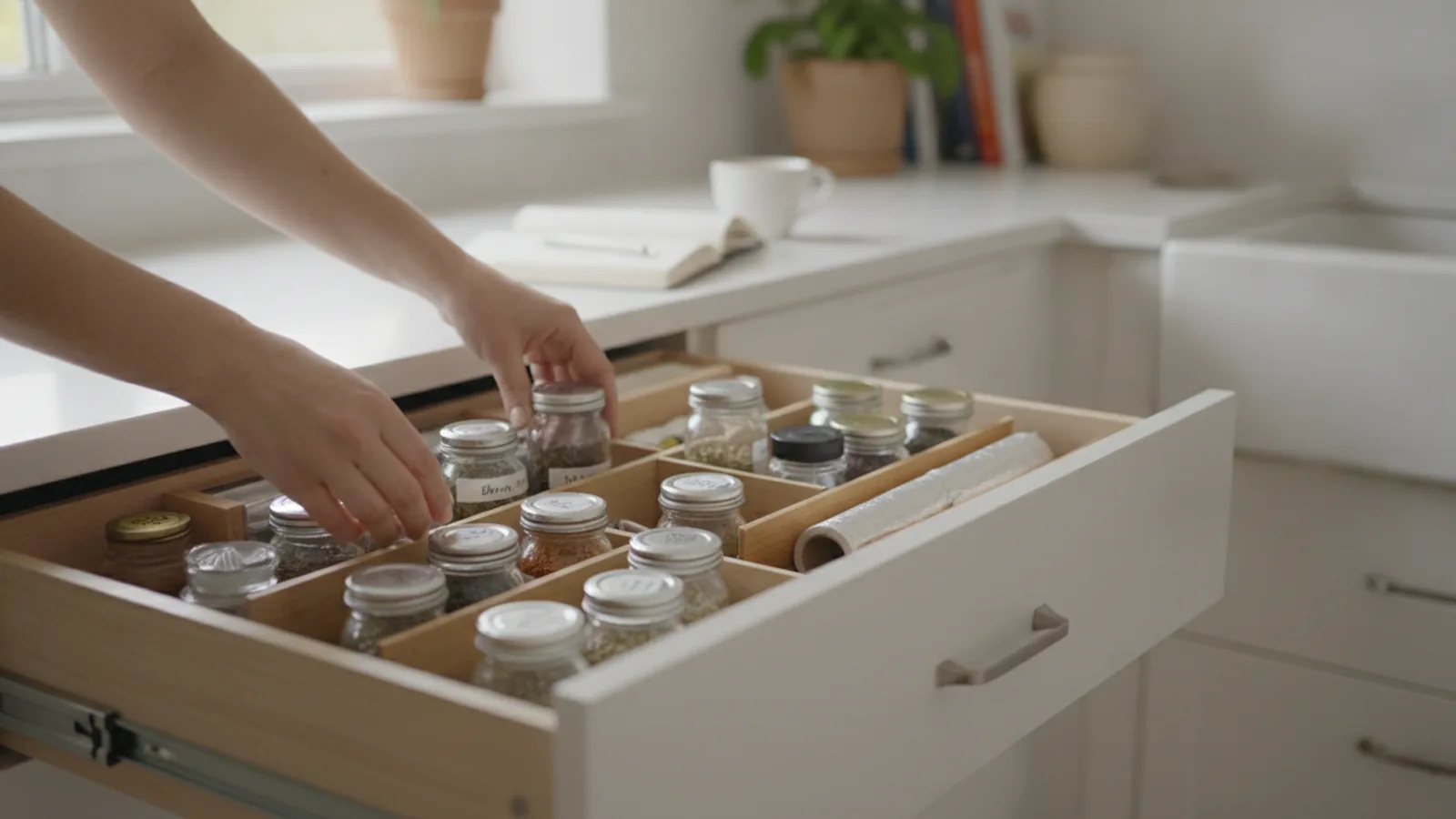
- The gift is too large or doesn't physically fit in their space, such as a bulky appliance on a small counter.: Measure the intended area beforehand and check the product's dimensions carefully. Choose items that are known to be space-saving, like a slim under-cabinet organizer or a wall-mounted key holder. When in doubt, ask them for rough measurements or consider a gift that is universally sized, such as a set of coasters or a fire extinguisher.
Advanced Tips
- Think about the 'first-year experience' of a new home and give something that helps them through a specific milestone, like a fireproof document bag for their important papers or a quality tool kit for hanging pictures and assembling furniture.
- Consider gifting an experience that also contributes to their home, such as a professional meal-prep class where they learn to cook a meal for their new kitchen, or a home organization session that teaches them how to maximize their storage.
- If you know they have a particular hobby, like gardening or painting, choose a gift that supports that hobby within the home, such as a set of indoor herb planters or a tabletop easel that folds away when not in use.
Final Checklist
- Have you observed or asked about their daily routines and any specific needs they've mentioned for the new place?
- Does the gift fit their home's style, size, and color scheme without being too bulky or too decorative?
- Is the gift something they'll actually use on a regular basis, and will it remain useful in the long run?
- Have you included a personal note or touch that shows you know them, and have you provided a receipt or exchange option if possible?
FAQ
What if I don't know them well? How can I choose a thoughtful gift?
If your relationship is casual, focus on universally useful, high-quality items that fit most homes, such as a beautiful yet functional cutting board, a set of durable dish towels, or a smart power strip. Include a gift receipt and a note saying you'd love to help them choose something together if they'd prefer. This shows consideration without overstepping.
Is it better to give cash or a gift card?
A gift card to a home goods store can be a practical choice if you're genuinely unsure, but it can feel impersonal. To make it more thoughtful, pair it with a small, personal item like a scented candle that matches their taste, and offer to shop with them. If you choose cash, place it in a nice card with a heartfelt message that acknowledges their new chapter.
How can I ensure the gift is used and not regifted?
The key is to align the gift with their real needs and lifestyle, which you can achieve by observing and asking questions. Also, consider giving something interactive or seasonal, like a hummingbird feeder or a seed starter kit, which they'll use when the moment arrives. Finally, include a personal story about why you chose it, which makes it harder to part with.