How To Plan A Useful Capsule Wardrobe For Changeable British Weather
A practical step-by-step guide to how to plan a useful capsule wardrobe for changeable British weather, including preparation, instructions, common issues, tips, and next steps.
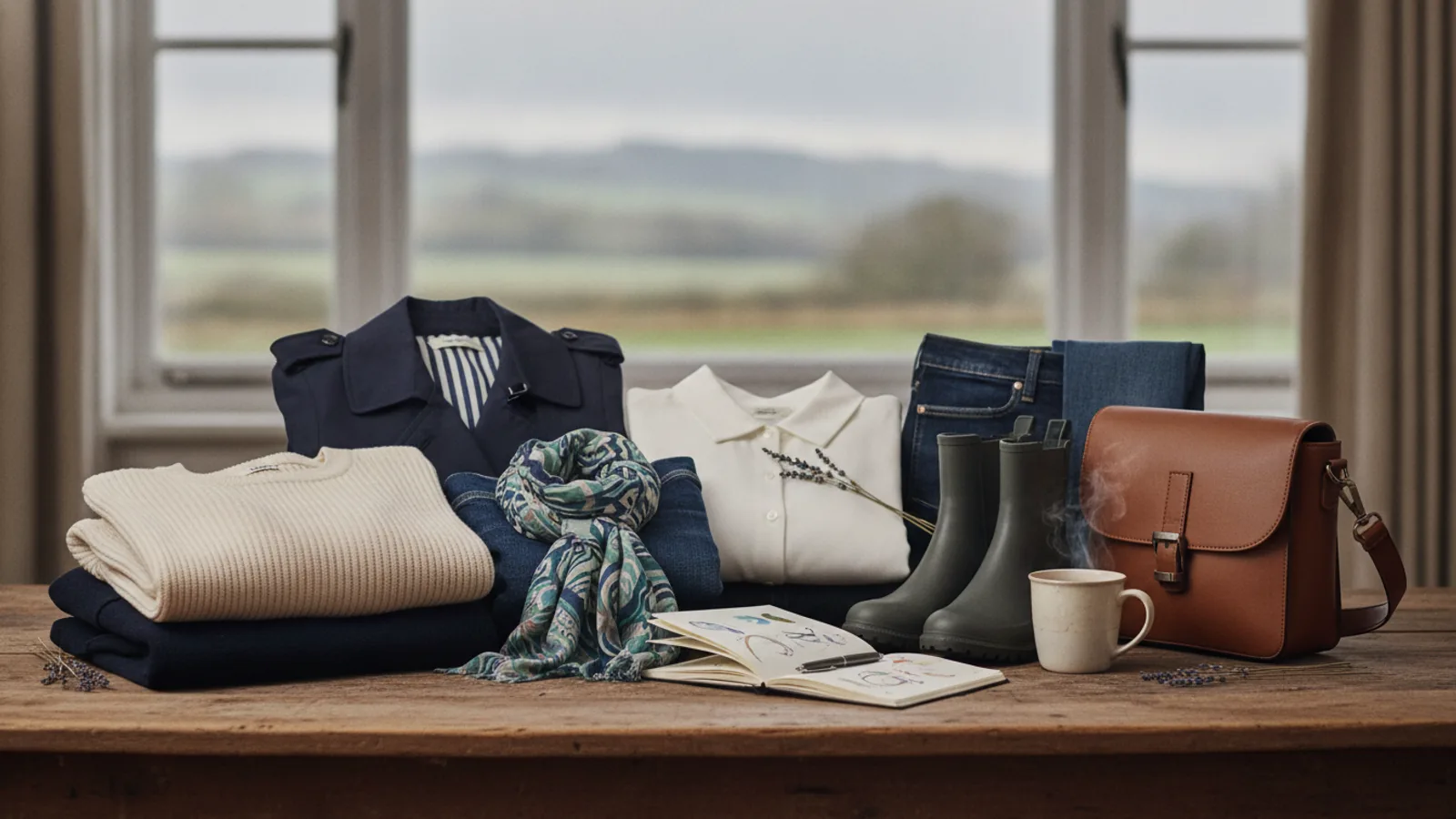
How To Plan A Useful Capsule Wardrobe For Changeable British Weather
Building a capsule wardrobe for changeable British weather means choosing versatile, layerable pieces that work together across sudden shifts in temperature, rain, wind, and occasional sunshine. This guide helps you plan a practical, limited wardrobe that suits daily life, reduces decision fatigue, and adapts to unpredictable conditions without constant buying.
Fast Answer
- Focus on breathable, quick-drying layers: a base layer, a mid layer, and a waterproof outer shell that you can add or remove as the day warms or cools, showers pass, and wind picks up.
- Choose a neutral colour palette with one or two accent shades and stick to a cohesive set of 20–25 items including shoes, so every piece mixes with at least three others and the whole wardrobe works for work, weekends, and weather surprises.
Before You Start
- List your typical weekly activities—commuting, office time, outdoor walks, social events—to decide how many smart, casual, and active pieces you need, and note which ones you already own.
- Check your local climate patterns for the next three months: average highs and lows, rainfall frequency, and windy days, but remember conditions can change within hours, so plan for layering rather than buying a heavy coat.
- Clear out your current wardrobe and note which items you wear often, which are uncomfortable or worn out, and which are never worn—these are the gaps to fill and the pieces to avoid buying again.
- Set a simple budget that allows for investing in a few high-quality essentials like a waterproof jacket and comfortable shoes, while using cheaper basics for the rest, and decide which items you already have that can be repaired or refreshed.
Step-by-Step Instructions
Audit your current clothes
Take everything out of your wardrobe and sort each item into three piles: keep, repair, and give away. For the keep pile, ask yourself two questions: does it fit well and is it in good condition? For the repair pile, note small fixes like a loose button or a torn seam that you can do at home. As you sort, write down the colours and styles you see most often, because a capsule wardrobe works best when every piece harmonises with the others. Look for items you never wear and be honest about why—if they are uncomfortable, impractical, or just not ‘you’, set them aside. At the end of this step, you should have a clear list of gaps: for example, you might own several casual T-shirts but no smart warm layer. This gap list is your shopping list for later steps. Checking that you have not kept items ‘just in case’ helps you build a real capsule rather than a random collection of clothes.
Define your colour palette
Choose a base of three to four neutral colours that go with everything—think charcoal, navy, cream, or olive, depending on what suits you. Then pick one or two accent colours that you love, such as rust, mustard, or teal. Stick to this palette for every new item you buy, and if you already own a bright piece that you adore, make it your only accent. The goal is that any top, bottom, and layer can be combined without thinking, which saves time in the morning and reduces the urge to buy more. Write your palette on a small card or note in your phone, and when you shop, compare every potential piece to that card. For example, do not buy a red skirt if your accent is teal, because it will not match your other pieces. This step also means you can buy items online with more confidence, because you already know they will fit your colour scheme. Checking your palette before every purchase keeps your wardrobe cohesive and usable throughout the year.
Choose your capsule pieces
Aim for 20 to 25 items, including shoes, but excluding underwear, socks, and accessories. A solid starting list includes: five tops (two short-sleeve, three long-sleeve), three jumpers or cardigans in different weights, two pairs of trousers (one smart, one casual), one pair of jeans, one skirt or dress if that is your style, two jackets (a waterproof shell and a light layer), and three pairs of shoes (one waterproof boot, one comfortable walking shoe, and one smarter flat or heel). Add one scarf and one hat, which are small but useful for sudden wind or chill. Do not forget an umbrella that fits in your bag, because British showers arrive without warning. When selecting each piece, think about how many outfits it will create—ideally each item should combine with at least three others. If you are replacing an item, look for the most versatile version: a mid-weight down or synthetic jacket that works as an outer layer in autumn and a mid layer in deep winter. This list is a guide, not a rule, because your activities and lifestyle will change a few pieces. The check here is to count the items at the end of your selection to make sure you have not exceeded your limit, because a small list stops you overbuying.
Layer with weight and fabric
The key to British weather is layers that you can add or remove as the temperature moves. Build a three-layer system: a thin base layer against your skin, a mid layer for warmth, and an outer shell that blocks wind and rain. For the base layer, choose merino wool or a synthetic like polypropylene, because these wick moisture away and dry quickly. For the mid layer, pick a fleece, a light down jacket, or a thick cotton jumper—the weight depends on how cold you feel and how much you will be active. The outer shell should be waterproof and breathable, with a hood, and be large enough to fit over your mid layers without feeling tight. When you are indoors or the sun comes out, you can remove the mid layer and pack it into a small bag. The check is to try on all three layers together and confirm you can move your arms easily and fasten the jacket without straining. This system means you are ready for a crisp morning, a warm afternoon, and a sudden rain shower, because you can change your outfit in seconds rather than wearing one bulky coat that is wrong for half the day.
Create mix-and-match outfits
Now that you have your pieces, spend time creating as many outfits as possible from the list. Start by pairing each bottom with every top you own, and then add a third layer for warmth. You should aim to make at least 15 different combinations, but many more will appear if you include accessories and shoes. Write down or photograph each outfit so you have a ready-made set for busy mornings, and keep these ideas in a note on your phone or a small folder online. When you try an outfit, stand in front of a mirror and check that it suits the weather you are likely to face that day: is the jacket waterproof enough? Can you remove the jumper easily if the sun appears? Also check that the outfit is comfortable for your activities—if you have a long walk to the station, you might want a slightly looser fit. The key check is that every outfit uses at least three pieces from your capsule, which proves your wardrobe is truly cohesive and prevents you from feeling like you have ‘nothing to wear’. This step also helps you spot any gaps, such as missing a light cardigan for early-autumn days.
Maintain and adjust seasonally
A capsule wardrobe is not a one-time project; it needs a small review every season and a quick maintenance routine. At the start of each season, pull out the items you have not worn for two months and decide if they are still useful. For example, in late spring you might remove your heavy wool jumper and add a light cotton shirt. Store off-season clothes in a breathable bag or box with a natural moth repellent like cedar balls. After washing, always check that your jacket zips still work, your shoes have no major scuffs, and your knits have no holes. Fix small issues immediately with a needle or shoe polish, because neglecting them shortens the life of your capsule. Also note how many times you wear each item in a week—if you constantly reach for the same three pieces, you know which type of item to buy more of, and which to let go. The check that matters is to ask yourself every three months: ‘does this wardrobe still match my life and the weather patterns I actually face?’ If not, swap out one or two pieces and move forward.
Quick Reference
| Situation | Action | Why it helps |
|---|---|---|
| Morning is cold (7°C), afternoon is mild (14°C) and sunny, and a shower is forecast at 4pm. | Start with a short-sleeve base, add a thin merino jumper and a waterproof packable jacket. Carry the jumper in your bag for the warm afternoon and put it back on when the temperature drops or if you feel a chill. | Layering allows you to adapt to the changing temperature and precipitation without carrying a heavy coat that would be too warm later, keeping you comfortable all day. |
| You have a business meeting at 10am and a walk through a windy park with your dog at 5pm. | Wear a smart shirt and tailored trousers, then add a cardigan or blazer and a trench coat or lightweight waterproof jacket. Change the smart shoes for waterproof boots in a tote bag just for the park. | This keeps a professional look for the meeting while still protecting you from wind and wet grass later; the tote lets you swap footwear quickly without ruining your outfit. |
| The forecast says ‘sunny intervals’ but the last three days changed from rain to shine within an hour. | Choose a mid-layer that you can easily remove, like a zip-up fleece, and wear a technical hooded jacket that crushes into a small pouch. Bring also a thin hat and gloves that fit in the jacket pocket. | A zip-up layer can be taken off in seconds, and the packable jacket means you stay dry without overheating; the hat and gloves cover both morning chill and sudden windy bursts. |
Common Issues
- You keep buying clothes that you wear only once or twice, because you overbuy for social events or ‘just in case’ weather that never happens.: Track every item you wear for two weeks with small pencil ticks on a notepad. At the end, count the items with zero ticks and decide to remove them. For replacements, buy only items that match your palette and fit your list of 25, and schedule a ‘no-buy week’ each month to break the habit.
- You own a lot of clothes but still feel you have nothing to wear, because pieces never match or suit the unpredictable forecast.: Follow the mixing rule: each top must pair with at least three bottoms in your wardrobe. In front of a mirror, try on all combinations and photograph the good ones. If you find a piece that cannot match three others, either pair it with a new neutral bottom or remove it from the capsule. This builds a small but cohesive set that always works.
- Your waterproof jacket is not truly waterproof in heavy rain, and your shoes get soaked, making a long day uncomfortable.: Check the jacket’s waterproof rating by reading the label; for daily British weather, a rating above 1000mm is better. For shoes, treat them with a waterproof spray before the wet season and reapply after each cleaning. Always test your jacket and shoes at home by standing under a lukewarm shower for 30 seconds, then adjust care or replacement.
Advanced Tips
- Buy merino wool for both base layers and mid layers: it naturally resists odour, so you can wear it several times between washes, and it breathes better than cotton for sudden temperature shifts.
- Learn two simple repair skills—sewing a button and patching a small tear—so you can extend the life of your capsule pieces instead of replacing them prematurely.
- Use a small dry bag inside your everyday bag to keep a spare pair of socks and a thin waterproof hat; then a sudden downpour will not leave you with wet feet or a soaked head.
Final Checklist
- Counted your core items and kept them within 25, excluding underwear and accessories.
- Stuck to your chosen colour palette of 3–4 neutrals plus 1–2 accents, and mixed every top with at least three bottoms.
- Included a waterproof outer layer that fits over a mid layer, and tested its water resistance before buying or relying on it.
- Created and saved at least 15 full outfit combinations that you like, and reviewed them at the start of each season.
FAQ
How many items should I have in a capsule wardrobe for changeable weather?
A practical number is 20 to 25 items, excluding underwear, socks, and accessories. This includes five tops, three jumpers or cardigans, two pairs of trousers, one pair of jeans, one skirt or dress if you choose, two jackets, and three pairs of shoes. This size is small enough to avoid overload but large enough to give you multiple layering options and outfit combinations for a week.
What is the best base layer material for British weather?
Merino wool is the top choice because it is breathable, wicks moisture, dries quickly, and naturally controls odour, so you can wear it several times without washing. Synthetic fabrics like polypropylene also work well, and they dry faster but may smell sooner. Avoid cotton as a base layer because it holds water and stays damp, which makes you feel colder when the weather turns.
How do I decide which clothes to get rid of when building a capsule?
Use a simple rule: keep items that fit well, flatter you, and match your chosen palette, and that you have worn in the last two months. For anything you have not worn, ask yourself if it actually suits your current lifestyle and weather. If it sits unworn for a season, put it in a donation bag. Also, if a piece has a permanent stain or a broken zip that you are not willing to repair, let it go.