How To Compare Options For A Make Up Bag That Works For Travel And Everyday Touch Ups
A practical step-by-step guide to how to compare options for a make-up bag that works for travel and everyday touch-ups, including preparation, instructions, common issues, tips, and next steps.
How To Compare Options For A Make Up Bag That Works For Travel And Everyday Touch Ups
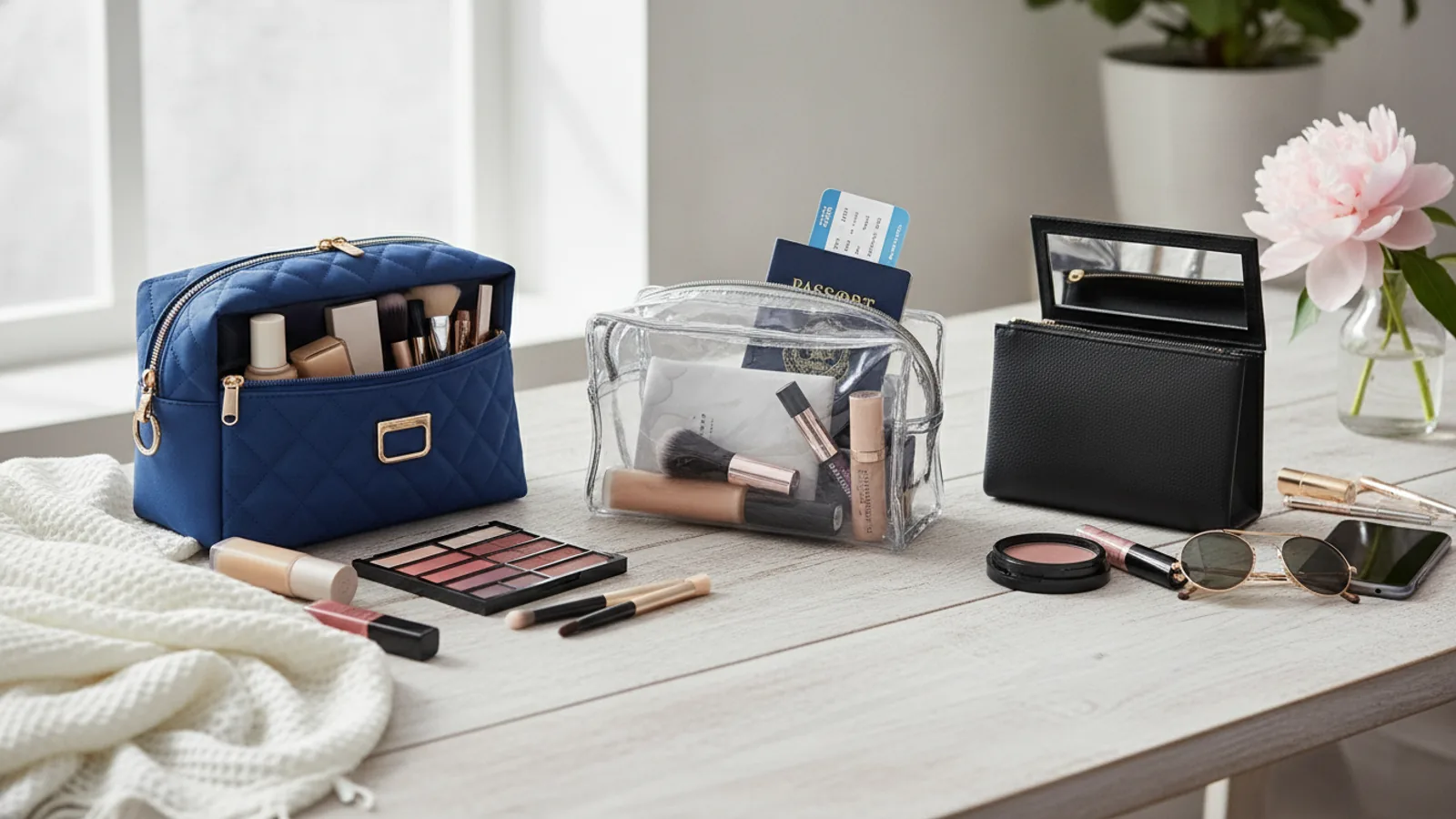
Choosing a make-up bag that works for both travel and everyday touch-ups can be tricky because you need to balance size, organization, and durability. This guide walks you through comparing your options by first assessing your makeup collection and typical usage, then evaluating key features like compartments, materials, and portability. You'll learn how to test each bag against your daily routine and travel needs, and how to avoid common pitfalls like buying a bag that's too small or too bulky. By the end, you'll have a clear method to select a versatile make-up bag that keeps your essentials organized and protected whether you're at home or on the go.
Fast Answer
- Start by listing the items you carry daily and the ones you pack for trips, then measure the dimensions of those items to know the minimum size you need.
- Compare bags based on three key criteria: compartment layout for easy access, material durability and cleanability, and portability features like a handle or lightweight design.
Before You Start
- Gather all the makeup items you use daily, those you take on weekend trips, and those you'd want for longer vacations to see the full range of sizes.
- Measure the largest item (like a foundation bottle or palette) with a ruler or tape measure to determine the minimum interior length, width, and height.
- Think about how you usually carry your bag: in a purse, a backpack, a tote, or as a standalone clutch, and note any size restrictions.
- Identify your must-have features such as a waterproof lining, multiple compartments, a hanging hook, or a brush holder, and prioritize them.
Step-by-Step Instructions
Inventory and Measure Your Makeup Essentials
Take out every makeup item you use in a typical week and all the items you'd bring on a short trip. Lay them on a flat surface and separate them into categories: daily use, travel extras like a palette or extra lipstick, and tools like brushes or sponges. Then use a flexible measuring tape or a ruler to measure the dimensions of the largest items: note the height, width, and depth of your biggest foundation bottle, powder compact, and eyeshadow palette. Write these numbers down because they will be the absolute minimum dimensions your new bag must accommodate. For brushes, measure their length and estimate how many you need to store. This step is crucial because every bag comparison without this data is guesswork. You will now have concrete numbers to compare against any bag's listed interior dimensions or to take with you when shopping in person.
Define Your Carry Scenarios and Capacity Needs
Think about the different situations where you'll use the bag: everyday use in your work tote, weekend getaways in a carry-on, or longer trips where you might pack a larger bag. For each scenario, estimate how many items you need: for everyday, maybe 10-15 items; for a weekend, 20-30; for a week, 30-50. Also, consider whether you need the bag to fit into a specific backpack compartment or a purse. If you travel by plane, airlines have varying size rules for personal items, but you don't need to know exact numbers; just check the size dimensions of your carry-on or personal item against your bag's dimensions to ensure it fits. With these scenarios, you'll know if you need one bag that does it all or if you might consider a set with a small everyday pouch and a larger travel bag. Write down the approximate volume you need (in liters or by comparing to a standard tote) to guide your search.
Evaluate Compartments and Organization Features
Examine how each candidate bag divides its internal space. Look for a variety of pocket sizes: some elastic loops for brushes, a zippered compartment for small items like bobby pins, and open sections for larger containers. The best organizational layout will let you see and reach items without digging. Check if the bag offers adjustable dividers or removable pouches that let you customize the layout. Consider whether you need a designated place for wet items like a sponge or a separate section for dirty brushes. When comparing, lay your actual items inside the bag (if possible) to see if everything fits logically. The test is whether you can find your lipstick in under five seconds, even in low light. If a bag has many pockets but they are too narrow, it won't help. Look for a bag that keeps tall items upright and prevents them from rolling around. A well-organized bag saves time and protects your makeup from damage.
Assess Material Durability, Cleanliness, and Protection
Check the outer material and inner lining. For travel, you want a bag that can handle being tossed into a suitcase without tearing. Look for wipes-clean fabrics like nylon, polyester, or a coated canvas, and avoid materials that stain easily like unlined cotton. The interior should be waterproof or at least water-resistant so spills don't seep through. Test the zippers and seams by opening and closing them repeatedly; they should move smoothly and feel sturdy. Also, consider the bag's ability to protect your makeup from temperature changes or crushing: some bags have padding, but that adds bulk. For everyday touch-ups, you might prefer a lightweight bag with minimal padding, but for travel, a bit more structure ensures your items aren't crushed. Remember that a bag with a removable mesh divider or a separate brush pocket keeps your brushes from getting bent. Ultimately, the bag should preserve your makeup's integrity and be easy to clean after inevitable spills.
Test Portability, Carrying Options, and Accessibility
Hold the bag and imagine carrying it in your hand, over your shoulder, or as a clutch. Ask yourself: Does it have a comfortable handle or a detachable strap? Does it take up too much space in your tote? Will it stand on its own or tip over? For travel, consider if it has a clip or hook so you can hang it in a hotel bathroom. For everyday use, you might want a bag that can easily be transferred between handbags. Test the opening: does it stay open when you place it on a counter, or do you need two hands to hold it open? A bag that requires both hands to open is inconvenient for a quick touch-up in a car or public restroom. Check the weight of the bag itself; some sturdy bags are surprisingly heavy, which adds to your load. Think about how you'll carry it: if you're a minimalist, a slim pouch might be better, while a travel-heavy user might prefer a sturdy case with a handle.
Compare and Test Your Top Bags Side-by-Side
Narrow your choices to two or three bags and test them simultaneously. Fill each bag with the same set of items you inventoried in Step 1 and practice your daily routine: pretend to apply foundation, touch up your lipstick, and zip the bag closed. Time how long it takes to find and return each item. Check if everything fits without cramming and if the bag closes without straining. For travel, try packing the bag into a carry-on or a weekend bag to see how it fits. If you're shopping online, read the size and feature descriptions carefully, but also look for photos or videos that show the interior. If possible, buy from a store with a good return policy so you can test it at home. After testing, consider the pros and cons of each: one might have better organization but a flimsy zipper; another might be cheaper but perfect for your needs. Choose the one that best balances your priorities, and don't forget to keep your prep list and measurements handy to make the final decision.
Quick Reference
| Situation | Action | Why it helps |
|---|---|---|
| You need a bag that fits in your handbag for daily use but also works for a weekend trip. | Measure your work handbag's main compartment to know the maximum size, then list the items you need for a weekend and find a bag with the largest interior volume that still fits those dimensions. | This ensures the bag is compact enough for everyday carrying while still holding all your travel essentials without leaving anything behind. |
| You often spill products like foundation or setting spray and worry about stains. | Choose a make-up bag with a waterproof or wipe-clean interior lining, and inspect the seams to ensure they are sealed. If buying online, look for explicit 'wipeable' or 'waterproof' lining details. | A resistant lining prevents liquids from soaking into the fabric, protecting the rest of your belongings and making cleanup easy, which is particularly important during travel. |
| You need to access your makeup quickly in a dark restroom or a crowded train. | Select a bag that opens widely and has a light-colored interior or use a small bag that you can fully unzip and lay flat on a counter. Practice opening and locating your lipstick in less than five seconds. | A wide opening and visible interior reduce fumbling and save time, making touch-ups efficient and stress-free, which aligns with a bag designed for both travel and daily use. |
Common Issues
- The bag is too small and doesn't fit all your makeup despite appearing spacious.: Measure the largest items in your collection and compare them with the bag's interior dimensions before buying. Bring your items to the store if possible, or order from a retailer with free returns to test at home.
- The bag's zipper breaks after a few months of use, especially when overfilled.: Choose a bag with a durable, smooth-gliding zipper and avoid overstuffing. When testing, zip the bag with a full load to ensure the zipper doesn't strain. Also, check if the zipper is from a known quality manufacturer, but avoid relying on brand names; instead, read user reviews about durability.
- The bag gets dirty quickly and is hard to clean, so it looks worn.: Opt for a bag with a wipe-clean exterior like nylon or polyester and an interior lining that can be spot-cleaned. If your bag is machine washable, follow care instructions, but otherwise use a damp cloth and mild soap to gently clean the surfaces.
Advanced Tips
- If you travel frequently, consider buying two bags: a slim daily pouch for essentials and a larger, structured case for longer trips, so you don't compromise on organization.
- To maximize vertical space, choose a bag that can stand upright and has a flat bottom, and stand taller bottles upright to prevent them from leaking.
- Use zip-top plastic bags for any liquid products inside your make-up bag to provide an additional leak barrier, even if the bag itself is water-resistant.
Final Checklist
- List and measure all your daily and travel makeup items to know the minimum size needed.
- Evaluate the bag's compartments, pockets, and ability to keep items upright and accessible.
- Check the material and lining for durability and cleanability, especially if you carry liquids.
- Test the bag with your full collection and simulate both daily use and travel packing to ensure it meets your needs.
FAQ
How do I decide between a hard-shell and a soft-sided make-up bag?
Hard-shell bags offer better protection and structure, keeping items upright and less likely to be crushed, which is great for travel. Soft-sided bags are more flexible, often lighter, and easier to fit into cramped spaces. If you carry fragile items like powder compacts, a hard shell might be safer, but if you need to squeeze it into a full suitcase, soft is better. Consider your packing style and whether you'll be rough on the bag.
Can I wash my make-up bag, and what should I do to maintain it?
Many make-up bags are made of nylon or polyester that can be spot-cleaned with a mild soap and water. Some are machine washable, but always check the care label first. For everyday maintenance, empty the bag regularly, wipe the interior with a damp cloth, and let it air out to prevent mildew. Avoid putting it in the dryer, as heat can damage zippers and materials.
What is the best way to organize a make-up bag to avoid clutter and wasted space?
Use small pouches or containers inside the bag to group similar items: one for lipsticks, one for eye makeup, one for small tools like tweezers. Stand bottles upright and use palettes flat. If your bag has brush loops, use them for brushes and keep clean and used brushes separate. After each use, return items to their designated spots so you can always find them easily.